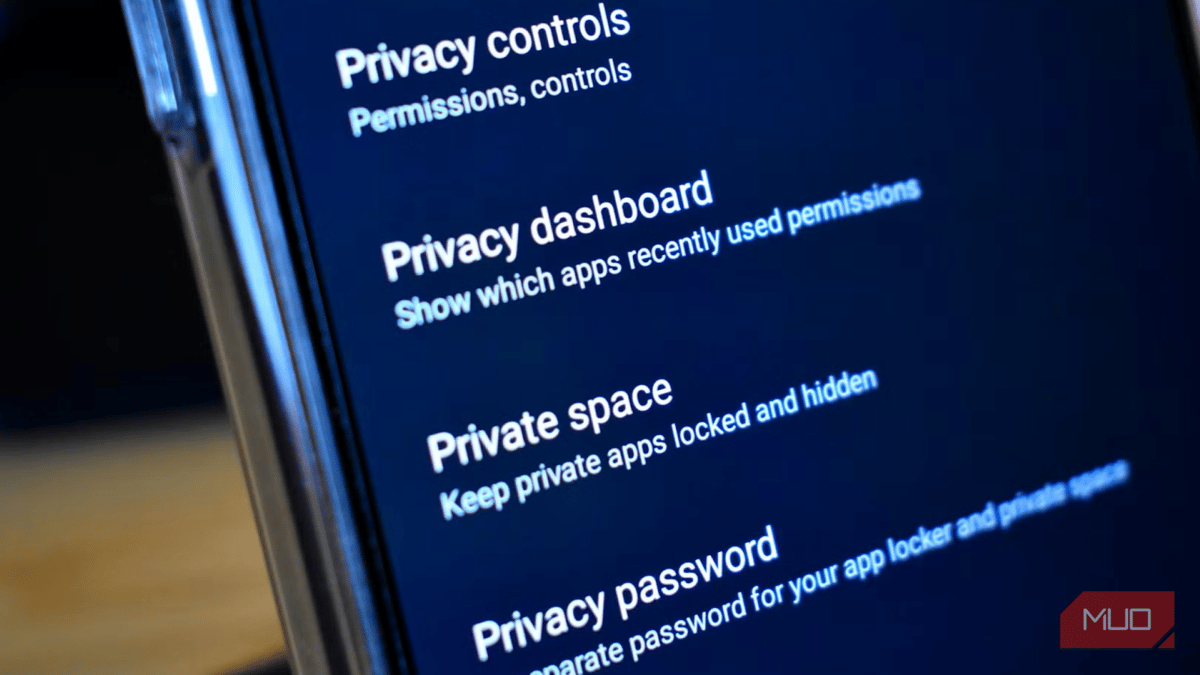
This Built-In Android Privacy Feature Deserves Your Attention
Companies Mentioned
Why It Matters
The dashboard transforms opaque permission usage into actionable insight, helping users defend against invasive data collection that fuels targeted advertising and potential regulatory breaches. For businesses, it raises the bar on privacy compliance and user‑trust expectations.
Key Takeaways
- •Android's Privacy Dashboard tracks permission use for past seven days
- •Timeline view reveals which apps accessed camera, mic, or location
- •Users can revoke permissions, even for system apps, with caution
- •Misused permissions enable detailed behavioral profiling for advertisers
- •Regular checks help prevent data leakage and compliance risks
Pulse Analysis
Android’s Privacy Dashboard marks a decisive shift toward transparency in mobile ecosystems, echoing broader industry moves to give users granular control over data. Launched with Android 12, the feature aggregates permission events into an easy‑to‑read timeline, mirroring similar tools on iOS while differentiating itself with a seven‑day historical view and the ability to include system apps. This visibility not only demystifies background data collection but also aligns with growing consumer demand for privacy‑first experiences, a trend that tech firms are leveraging to differentiate their platforms.
From a business perspective, the dashboard introduces new compliance considerations. Regulators worldwide—under frameworks like the EU’s GDPR and California’s CCPA—expect companies to limit data collection to what is strictly necessary. When an app repeatedly accesses location or microphone without a clear functional need, it risks violating these statutes, exposing firms to fines and reputational damage. Moreover, advertisers rely on granular user profiles built from such data; the dashboard empowers users to disrupt that pipeline, potentially reshaping the economics of mobile ad targeting.
Practically, users should treat the dashboard as a routine health check, reviewing permission spikes and revoking unnecessary access. Enterprises developing Android apps can pre‑empt scrutiny by implementing privacy‑by‑design principles, documenting permission justification, and offering clear in‑app explanations. Looking ahead, AI‑driven analytics may further enhance dashboards, flagging anomalous permission patterns in real time. As privacy expectations tighten, tools like Android’s Privacy Dashboard will become standard benchmarks for both consumer trust and regulatory compliance.
This built-in Android privacy feature deserves your attention
Comments
Want to join the conversation?
Loading comments...