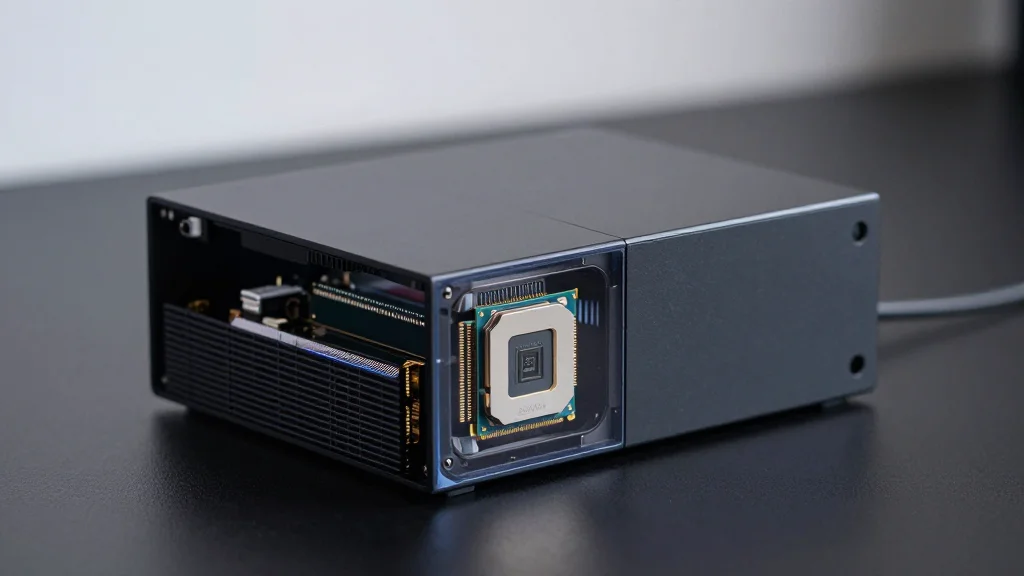
This Is Why You Won't Buy a Steam Machine in 2026
Companies Mentioned

Why It Matters
The pricing dilemma could determine whether Valve can successfully enter the console market and compete with Sony’s $900 PlayStation 5 Pro, or risk a costly inventory write‑off.
Key Takeaways
- •Valve's Steam Machine BOM now estimated at $850.
- •DDR5 SO‑DIMM memory prices have quadrupled since 2025.
- •Base SSD cost doubled; 2TB SSD now $250.
- •Valve may need $800‑$900 price to avoid loss.
- •Pricing delay risks outdated hardware versus competing consoles.
Pulse Analysis
Valve’s decision to release the Steam Controller ahead of its long‑awaited Steam Machine highlights a deeper supply‑chain crunch. While the controller arrives at a modest $100 price tag, the machine itself packs a semi‑custom AMD Zen 4 CPU and an RDNA 3 GPU that, on paper, target the entry‑level market. However, recent spikes in DRAM and NAND pricing have inflated the cost of core components—16 GB DDR5 SO‑DIMM modules now sit near $195, and a 512 GB SSD costs about $90, up from $50 a year ago. When these figures are added to the CPU, GPU, and ancillary parts, the total bill of materials climbs to roughly $850, a stark contrast to the $600‑$700 estimate Valve floated in 2025.
The inflated BOM forces Valve into a pricing crossroads. To break even, the Steam Machine would need a retail price of $800‑$900, placing it directly against Sony’s PlayStation 5 Pro, which retails for $900. A higher price could deter price‑sensitive gamers, while a loss‑leader strategy risks eroding margins and creating inventory challenges if component costs continue to rise. Moreover, the longer Valve delays launch, the more its hardware risks obsolescence as newer GPUs and CPUs enter the market, further diminishing consumer appeal.
Strategically, Valve must weigh short‑term revenue against long‑term brand positioning. Accepting a modest loss could secure market share and establish a foothold for future Steam‑based hardware, but it may also set a precedent for unsustainable pricing. Conversely, a premium price could recoup costs but limit adoption, ceding the living‑room console space to established players. The outcome will signal how agile hardware manufacturers can be amid volatile component markets and could reshape expectations for PC‑centric consoles in the coming years.
This is Why You Won't Buy a Steam Machine in 2026
Comments
Want to join the conversation?
Loading comments...