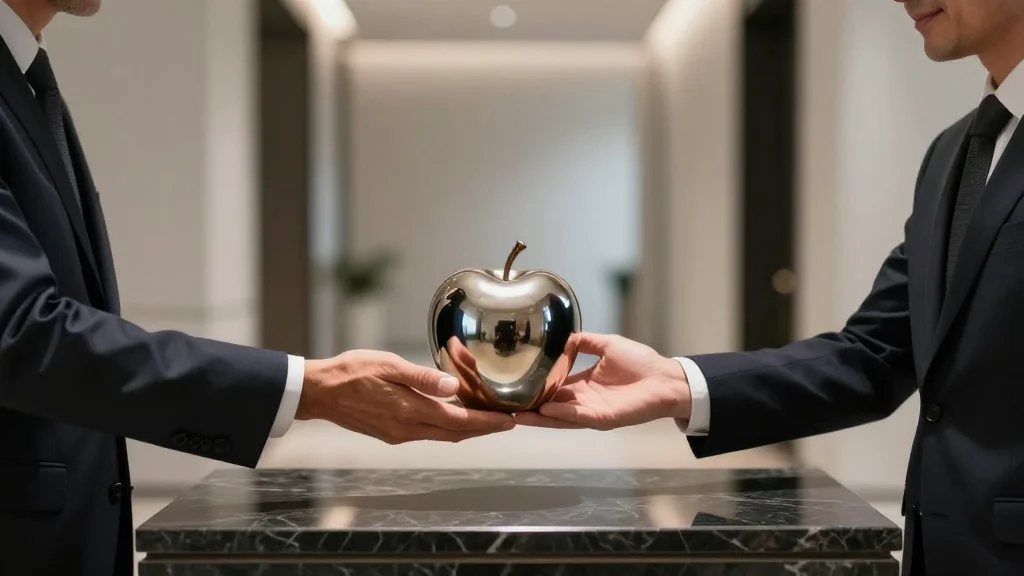
Tim Cook Steps Down as Apple CEO, John Ternus Named Successor

Companies Mentioned
Why It Matters
The leadership change at Apple is the most consequential shift in consumer tech this year because the company sets the tone for the entire ecosystem of smartphones, wearables, and services. Cook’s operational expertise turned Apple into a cash‑generating machine, but critics argue his cautious approach has left the firm trailing in AI and battery technology. John Ternus’s appointment signals a potential pivot toward faster hardware iteration, which could reshape competition with Chinese manufacturers that are already deploying silicon‑carbon batteries and advanced camera systems. Moreover, Apple’s modest AI capex compared with rivals raises strategic questions about how the new CEO will balance hardware excellence with the growing demand for AI‑driven features. For investors, the transition could affect valuation multiples, as the market reassesses growth prospects under new leadership. For developers and partners, changes in Apple’s product roadmap may alter priorities for app development, accessory design, and integration with emerging AI services. In short, the shift will influence everything from supply‑chain dynamics to consumer expectations for the next generation of devices.
Key Takeaways
- •Tim Cook will become Apple’s executive chairman; John Ternus will assume the CEO role in September.
- •Cook’s tenure saw Apple’s profits rise roughly 700% and services revenue grow from 5% to over 25% of total.
- •Analysts cite Ternus’s hardware background as a catalyst for faster adoption of new battery and camera tech.
- •Apple’s 2026 AI capex is projected at $14 billion, less than 10% of the $600‑plus billion spent by peers.
- •The iPhone 18 launch later this year will be the first major product test for the new CEO.
Pulse Analysis
Apple’s succession plan is a textbook case of a founder‑style company managing a generational handoff. Cook’s operational mastery turned Apple into a cash‑machine, but his reluctance to double‑down on AI and next‑gen battery chemistry left a strategic blind spot. John Ternus, who has overseen the engineering of the iPhone 15 and the M2 chip, brings a product‑first mindset that could accelerate hardware innovation. If he can marry that speed with a clearer AI strategy—perhaps by leveraging Apple’s partnership with Google’s Gemini models—Apple could reclaim its edge in both performance and user experience.
The market’s reaction will hinge on whether Ternus can deliver tangible upgrades without compromising the premium pricing that underpins Apple’s margins. A successful iPhone 18 with a silicon‑carbon battery and a more capable camera could force rivals like Samsung and Google to accelerate their own roadmaps, narrowing the current US‑China technology gap. Conversely, a misstep could deepen Apple’s perceived stagnation, especially as AI becomes a differentiator across all consumer devices.
In the broader context, Apple’s modest AI spend reflects a bet that hardware differentiation will remain the core value proposition. This contrarian stance could pay off if on‑device AI proves more privacy‑centric and energy‑efficient than cloud‑heavy models. However, the risk is that Apple may cede the AI narrative to competitors, making it harder to integrate advanced features like generative assistants into its ecosystem. The coming months will reveal whether the new leadership can balance the twin imperatives of hardware excellence and AI relevance.
Tim Cook Steps Down as Apple CEO, John Ternus Named Successor
Comments
Want to join the conversation?
Loading comments...