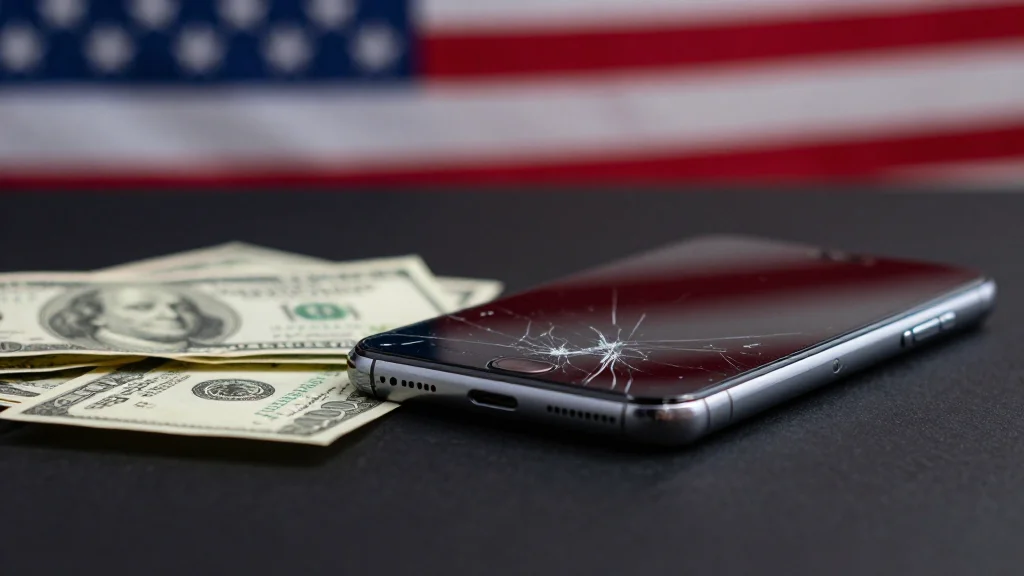
Trump Phone Pre‑Sale Scam Swindles MAGA Supporters of $59 Million

Why It Matters
The Trump Phone scandal highlights a growing risk where political loyalty is monetized through consumer‑tech products. As brands increasingly tap into ideological communities, the line between genuine product launches and profit‑driven scams blurs, threatening consumer trust and prompting calls for stronger oversight. The $59 million loss also illustrates how quickly a politically aligned audience can be mobilized, creating a lucrative but volatile market for unscrupulous operators. If regulators respond with new guidelines on pre‑sale disclosures and political branding, the case could reshape how companies market tech products to niche audiences. Conversely, a lack of enforcement may embolden similar schemes, eroding confidence in online marketplaces and prompting consumers to demand more transparent purchasing processes.
Key Takeaways
- •Trump Mobile raised $59 million from 590,000 pre‑orders for the Trump Mobile T1 phone.
- •Each buyer paid a $100 deposit that does not constitute a purchase and is non‑refundable.
- •The phone, advertised as a $500 Made‑in‑USA Android device with $47.45 monthly fees, never shipped.
- •Delivery dates were repeatedly postponed, and the “Made in USA” claim was removed from marketing.
- •No refunds have been issued; potential class‑action lawsuits may target Trump Mobile and T1 Mobile LLC.
Pulse Analysis
The Trump Phone episode is a textbook case of brand‑driven fraud in the digital age. By leveraging the Trump name, the venture tapped into a highly motivated demographic that equates political allegiance with consumer loyalty. This dynamic mirrors earlier attempts to monetize political fervor—such as the 2020 “Biden‑branded” masks—yet the scale here is unprecedented. The $59 million haul underscores the financial clout of ideologically aligned communities, but it also reveals a blind spot in consumer‑protection frameworks that struggle to keep pace with rapid, online‑first product launches.
Regulators have historically focused on traditional e‑commerce scams, but the political overlay adds complexity. The FTC’s existing guidelines on deceptive advertising may need to be expanded to address the unique persuasive power of political branding. Moreover, the opaque corporate structure of T1 Mobile LLC—registered in Florida with limited public disclosure—makes enforcement challenging. A coordinated response involving the FTC, state attorneys general, and possibly the Department of Justice could set a new standard for policing politically tied tech scams.
Looking ahead, the fallout may deter legitimate political figures from entering the consumer‑tech space, fearing reputational damage. At the same time, savvy marketers may double‑down on covert branding tactics, using less overt political cues to avoid scrutiny. For consumers, the lesson is clear: pre‑sale offers, especially those tied to high‑profile personalities, demand rigorous due diligence. The industry’s next test will be whether it can balance the allure of political branding with the responsibility to protect buyers from fraudulent schemes.
Trump Phone Pre‑Sale Scam Swindles MAGA Supporters of $59 Million
Comments
Want to join the conversation?
Loading comments...