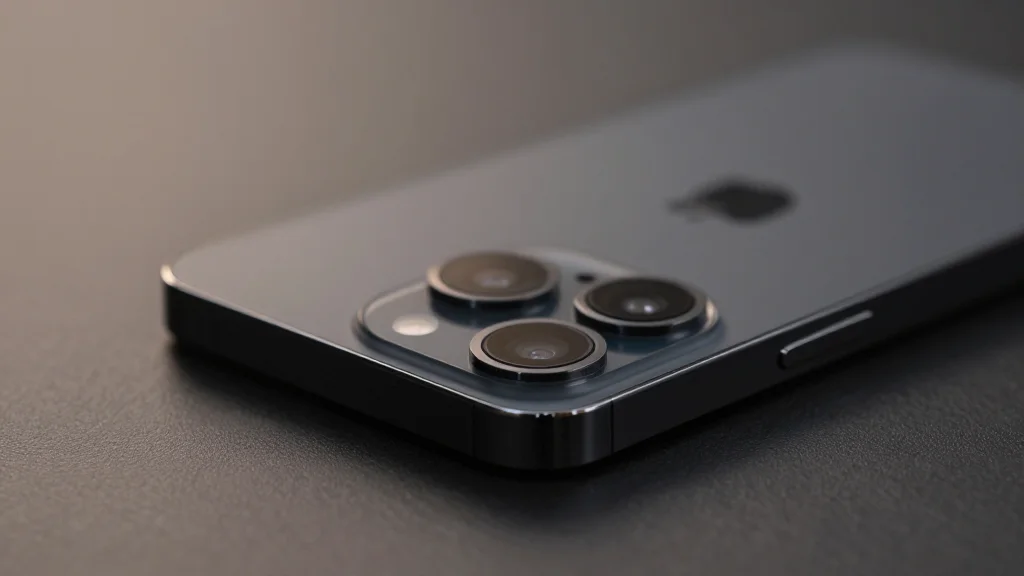
Vivo X300 Ultra Lauded as Smartphone with Best Camera System

Companies Mentioned
Why It Matters
The X300 Ultra’s camera strategy could reshape consumer expectations for flagship smartphones. By delivering a balanced, high‑resolution system that performs consistently across all lenses, Vivo challenges the prevailing narrative that more zoom equals better photography. If the market responds positively, we may see a pivot toward sensor size, natural focal lengths and video versatility as the primary differentiators in future flagship releases. For consumers, the shift means a phone that feels more like a traditional camera, reducing the need to choose between a “best” lens and a “good enough” secondary lens. For manufacturers, it signals that investing in larger, higher‑quality sensors and refined optics across the board may yield a stronger competitive advantage than chasing ever‑higher zoom numbers.
Key Takeaways
- •200‑megapixel 1/1.12‑inch Sony Lytia 901 main sensor with 35mm‑equivalent focal length
- •200‑megapixel 85mm telephoto lens with 1/1.4‑inch sensor and improved stabilization
- •Ultrawide lens larger than iPhone 17 Pro’s main sensor, includes optical image stabilization
- •Vivo’s camera system delivers comparable image quality across all three rear lenses in most lighting conditions
- •Professional‑grade video features added, targeting creators who need high‑bitrate recording
Pulse Analysis
Vivo’s X300 Ultra arrives at a moment when the smartphone camera arms race has become a battlefield of diminishing returns. The industry has chased periscope zooms that add complexity, cost and often compromise low‑light performance. By contrast, Vivo’s decision to prioritize a true‑to‑life 35mm main lens and a larger ultrawide sensor reflects a strategic bet on photographic fidelity rather than spectacle. This approach aligns with a growing segment of users who value consistent image quality for everyday shooting over occasional brag‑worthy zoom shots.
Historically, flagship camera wars have been driven by headline specs—megapixels, zoom ratios, and sensor sizes—often at the expense of real‑world usability. The X300 Ultra’s balanced trio of lenses, each with a 200‑megapixel count, suggests that manufacturers can achieve high resolution without sacrificing ergonomics or processing speed. Moreover, the inclusion of professional video tools signals an acknowledgement that content creators are a lucrative audience, willing to pay a premium for a device that can double as a primary video capture tool.
Looking ahead, if Vivo’s camera narrative gains traction, we could see a recalibration of R&D budgets across the sector. Companies may redirect funds from exotic zoom mechanisms toward larger sensors, better optics and more sophisticated image‑processing pipelines. The ripple effect could also influence app ecosystems, with developers building on richer raw data and more accurate color science. In short, the X300 Ultra’s acclaim may not just be a win for Vivo; it could be a catalyst for a broader industry shift toward camera systems that prioritize versatility and image integrity over sheer zoom numbers.
Vivo X300 Ultra Lauded as Smartphone with Best Camera System
Comments
Want to join the conversation?
Loading comments...