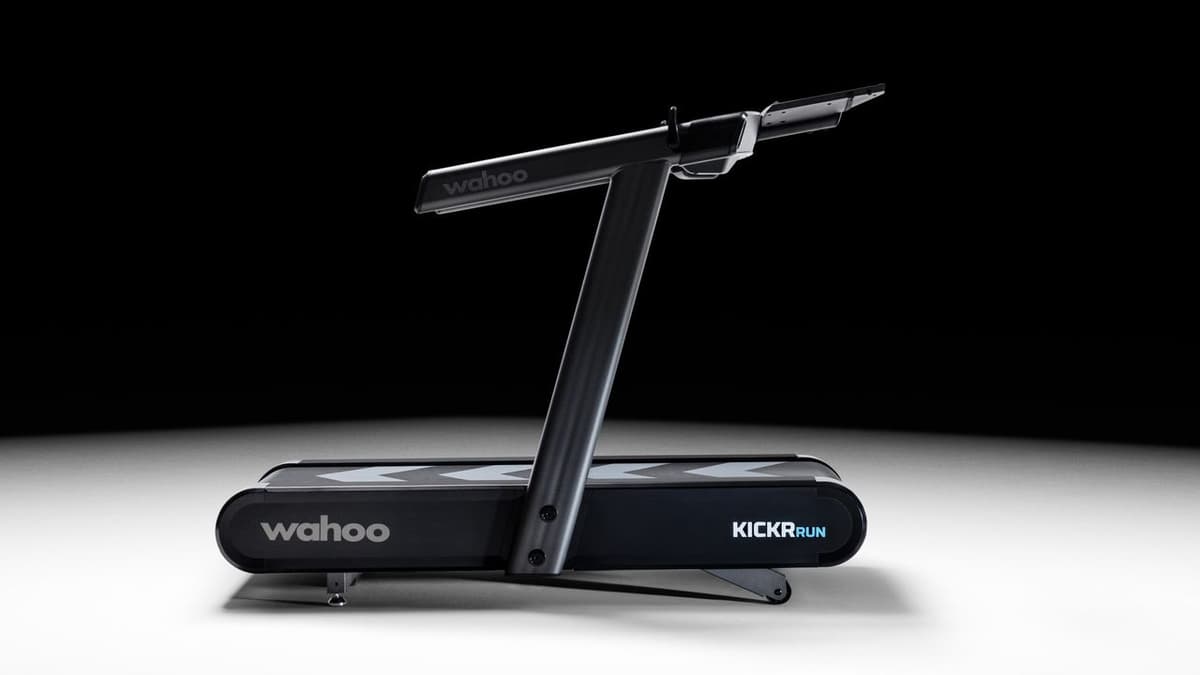
Wahoo KICKR Run Treadmill Review: One of the Most Impressive Indoor Experiences Money Can Buy – if You Have the Budget
•March 11, 2026
0
Companies Mentioned
Why It Matters
The KICKR Run raises the bar for high‑end smart treadmills, pushing home fitness toward commercial‑grade realism and reinforcing subscription‑driven revenue models.
Key Takeaways
- •Premium price, $5,250 US, non‑folding design.
- •RunFree mode auto‑adjusts belt to runner’s pace.
- •Incline range –3% to +15% with lateral camber tilt.
- •Requires Wahoo app subscription for full feature set.
- •Matches commercial gym treadmills in speed and smoothness.
Pulse Analysis
The home‑fitness market has accelerated toward connected, high‑performance equipment, and the Wahoo KICKR Run exemplifies this shift. Priced in the luxury tier, it competes directly with Peloton’s treadmill and Technogym’s offerings, targeting consumers willing to invest in a permanent, garage‑ready setup. Its robust 3‑HP motor and 15 mph top speed provide a performance envelope rarely seen in residential treadmills, while the inclusion of –3% decline and 0.5° camber tilt adds a level of terrain realism that most competitors lack. This hardware sophistication positions the KICKR Run as a serious training platform rather than a casual cardio device.
Beyond raw specs, the KICKR Run’s differentiator is its software integration. RunFree mode leverages onboard sensors to dynamically adjust belt speed, enabling seamless interval and fartlek workouts without manual input. The treadmill syncs via Wi‑Fi and Bluetooth to the Wahoo app, Zwift Run, and other platforms, but full functionality—such as automated incline changes—requires a paid subscription. This model mirrors broader industry trends where hardware serves as a gateway to recurring revenue streams, encouraging users to stay within the brand’s ecosystem for structured workouts, analytics, and community features.
For athletes, the machine’s design offers tangible benefits: a spacious 69 × 22‑inch deck accommodates fast strides, while safety rails and an emergency clip provide confidence during high‑intensity sessions. The lack of an integrated display pushes users toward a secondary screen, which can be a drawback for those seeking an all‑in‑one experience. Nonetheless, for runners aiming to replace a gym membership, the KICKR Run delivers commercial‑grade quality, advanced terrain simulation, and a data‑rich environment—justifying its premium price point for a niche but growing segment of the market.
Wahoo KICKR Run Treadmill review: One of the most impressive indoor experiences money can buy – if you have the budget
0
Comments
Want to join the conversation?
Loading comments...