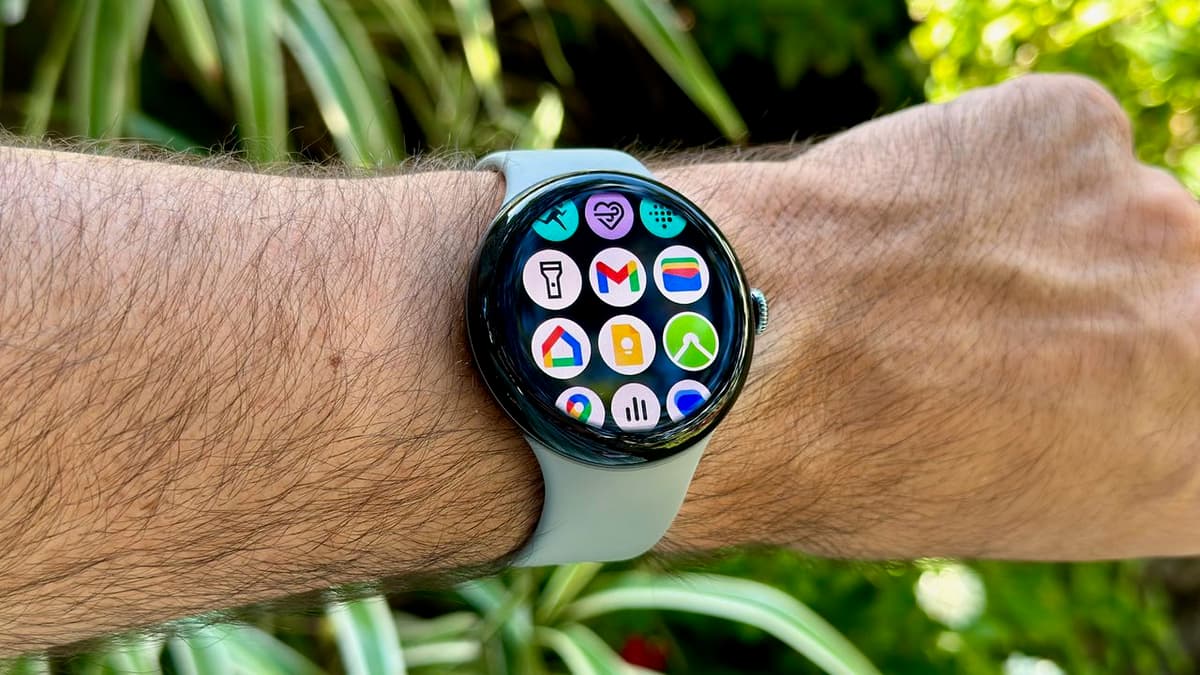
Wear OS Can Now Send Life-Saving Earthquake Alerts without Your Phone
•February 24, 2026
0
Why It Matters
Independent alerts deliver critical safety information instantly, even when a phone isn’t nearby, strengthening personal protection. This move underscores Google’s push to make IoT devices more self‑reliant in emergency response.
Key Takeaways
- •Wear OS gets independent earthquake alerts via Play Services update.
- •No phone pairing required; works on cellular or Wi‑Fi watches.
- •Alerts rely on device sensors and crowdsourced seismic data.
- •Feature rolls out server‑side, may need brief activation delay.
- •Enhances Google’s emergency ecosystem, boosting user safety.
Pulse Analysis
Android’s earthquake alert system has long relied on a network of smartphones to triangulate tremors using accelerometers and gyroscopes. By aggregating anonymized sensor data, the platform can issue region‑specific warnings within seconds of a quake, a capability that has saved lives in multiple incidents. The underlying technology demonstrates how consumer devices can serve public safety functions, turning everyday hardware into a distributed seismic monitoring grid.
Extending this capability to Wear OS marks a strategic shift toward autonomous wearables. A smartwatch, whether equipped with cellular connectivity or simply linked to Wi‑Fi, can now act as a standalone alert hub. This is especially valuable for users who leave their phones behind during workouts, travel, or in emergencies where power is limited. The server‑side rollout via Google Play Services ensures a seamless update path, though activation may lag slightly as devices sync with Google’s backend.
The broader implication is a growing ecosystem where IoT gadgets contribute directly to emergency infrastructure. Google’s move positions Wear OS alongside other platforms that prioritize safety, potentially prompting competitors to adopt similar independent alert mechanisms. As more devices gain the ability to issue real‑time warnings without intermediary hardware, the overall resilience of public alert networks improves, offering consumers faster, more reliable protection against natural disasters.
Wear OS can now send life-saving earthquake alerts without your phone
0
Comments
Want to join the conversation?
Loading comments...