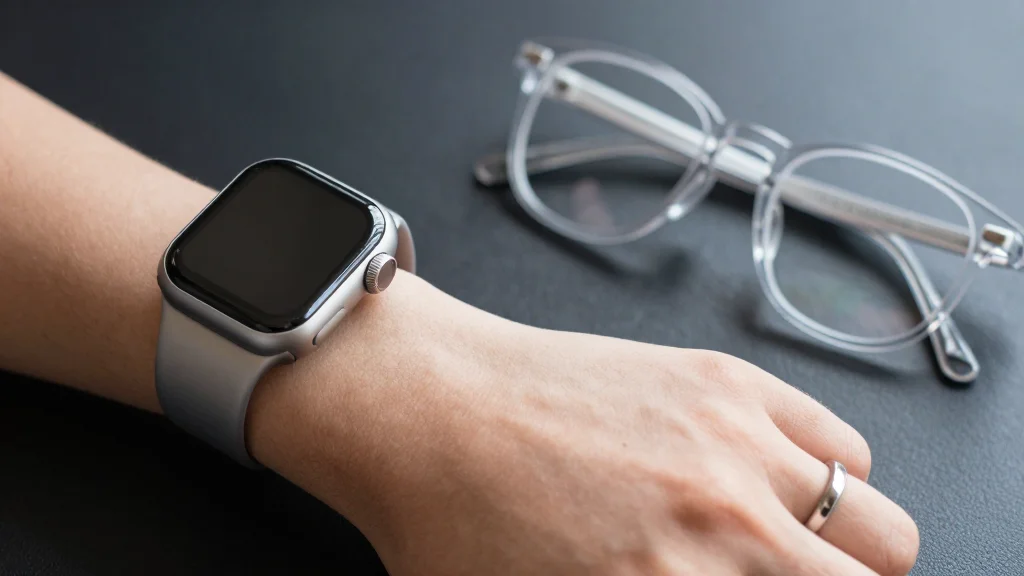
Wearables Market Branches Out With Smart Glasses and Rings
Why It Matters
Diversification beyond smartwatches signals a broader, ecosystem‑driven wearables future, reshaping product roadmaps and investment priorities across the industry.
Key Takeaways
- •Smart glasses shipments hit 6 million in 2025, projected to grow
- •Smart rings reached 4 million units, focusing on sleep and women’s health
- •Overall wearables shipments forecast 229 million, up 5.1% YoY
- •Retail value to hit $57 billion, a 6% annual increase
- •Activity trackers volume to decline 8.9% CAGR through 2030
Pulse Analysis
The latest Futuresource Consulting outlook shows the wearables sector moving beyond its smartwatch‑centric roots. With 229 million devices slated for shipment this year, the market’s total value is set to climb to roughly $57 billion, driven by a modest 5.1% unit growth. Smartwatches still dominate, but the emergence of smart glasses and rings is redistributing revenue streams and prompting manufacturers to rethink product hierarchies. This shift reflects consumer demand for devices that blend fashion, function, and continuous connectivity.
Smart glasses are transitioning from niche gadgets to multifunctional platforms, thanks to integrated wireless audio, voice assistants, and on‑device AI that enables real‑time language translation and contextual awareness. Their shipments, estimated at 6 million units in 2025, are expected to accelerate as chip footprints shrink and battery efficiency improves. Meanwhile, smart rings—currently at 4 million units—are carving out a health‑focused niche, monitoring sleep patterns, stress levels, and women’s hormonal cycles. These form factors appeal to users seeking discreet, always‑on health insights without the bulk of a wrist‑worn device.
The ecosystem narrative is central to the market’s evolution. Wearables now operate as nodes within a broader digital environment that includes smartphones, laptops, and IoT devices, creating cross‑selling opportunities and data synergies. Conversely, activity trackers are losing ground, with an 8.9% projected CAGR decline, underscoring that bare‑bones hardware cannot compete without richer features or strong ecosystem ties. For investors and product strategists, the takeaway is clear: success will hinge on integrating AI‑driven capabilities, fostering seamless device interoperability, and delivering compelling health and productivity value beyond the traditional smartwatch paradigm.
Wearables Market Branches Out With Smart Glasses and Rings
Comments
Want to join the conversation?
Loading comments...