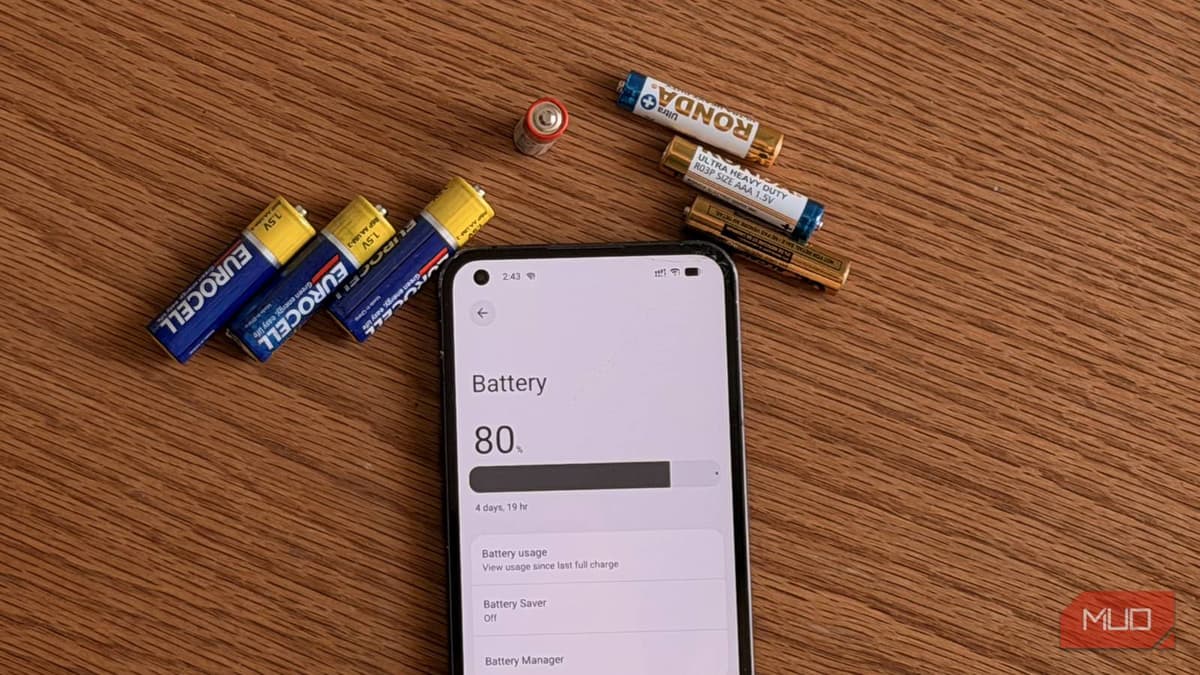
We’ve Been Sabotaging Our Phone Batteries for No Good Reason
Why It Matters
Battery‑health settings directly affect daily user experience and device resale value, making it crucial to assess whether charge‑limiting truly benefits the average consumer.
Key Takeaways
- •85% charge limit reduces daily capacity for most users.
- •Battery degradation slows noticeably after years of high‑cycle use.
- •Capped charge can improve resale value on iPhones.
- •Smart overnight charging already mitigates full‑charge stress.
- •Only long‑term owners gain measurable battery‑life benefit.
Pulse Analysis
Lithium‑ion cells degrade primarily because high voltage and elevated temperature accelerate the growth of the solid‑electrolyte interphase on the anode and strain the cathode’s crystal lattice. Manufacturers therefore introduced 80‑85% charge caps to keep the battery operating in a gentler voltage window, a strategy that aligns with the physics of lithium plating and SEI expansion. Modern devices also embed intelligent charging algorithms that pause at 100% until just before the user wakes, effectively reducing the time a battery spends at peak voltage without sacrificing usable capacity.
For the average consumer, however, the daily impact of a capped charge is immediate: a 15% reduction in available runtime from day one. Apple’s own specifications indicate an iPhone retains 80% of its original capacity after roughly 1,000 full cycles—about 2.7 years of daily charging. Most users upgrade their phones before the degradation curve becomes noticeable, meaning the promised longevity gain often arrives after the device is already retired. Consequently, the perceived benefit of charge‑limiting may be outweighed by the inconvenience of reduced battery life during the typical ownership period.
Charge‑capping does have niche value. Users who plan to keep a phone for five or more years, or who rely on resale markets where battery health is a key price driver, can see tangible advantages. Business fleets that prioritize device longevity might also adopt caps as part of a broader asset‑management policy. Nonetheless, most owners can achieve comparable preservation by leveraging built‑in smart charging, minimizing background power draws, and updating to efficient native apps. These practices maintain full capacity while addressing the root causes of wear without imposing an artificial daily limit.
We’ve been sabotaging our phone batteries for no good reason
Comments
Want to join the conversation?
Loading comments...