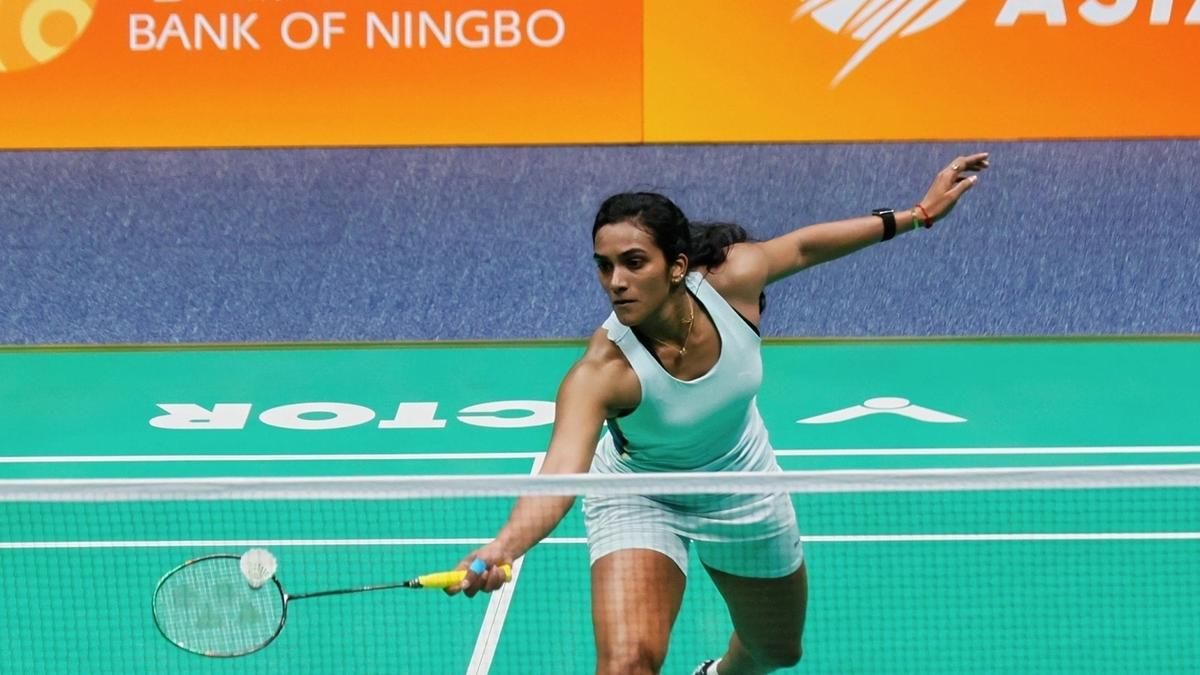
What Is ‘Temple’, the Wearable Tech on Sindhu’s Side Forehead at the Uber Cup?
Companies Mentioned
Why It Matters
Neuro‑monitoring wearables could give elite athletes actionable insights into mental fatigue, reshaping training and performance analytics across sports. Early adoption by a high‑profile star like Sindhu signals market readiness for next‑gen biometric tools.
Key Takeaways
- •Temple tracks real‑time brain blood flow and cognitive load.
- •Beta device built by Zomato founder’s team, used by PV Sindhu.
- •Claims 7‑8% accuracy improvement over existing wearables.
- •Inches‑long, Bluetooth‑free, 3‑4 hour battery life.
- •Not yet commercial; could reshape athlete monitoring market.
Pulse Analysis
The sports technology landscape is evolving beyond simple heart‑rate monitors toward devices that capture the brain’s physiological state. By measuring cerebral blood flow and cognitive load, wearables like the Temple aim to quantify mental fatigue—a factor traditionally assessed only subjectively. This shift mirrors broader trends in health tech, where neuro‑feedback and brain‑wave analytics are gaining traction in both clinical and consumer markets, promising richer data streams for coaches and sports scientists.
Sindhu’s on‑court trial of the Temple highlights the device’s practical design: an inch‑long, adhesive module that stays affixed without Bluetooth, drawing power for up to four hours. Its beta‑phase claims a 7‑8% improvement in signal clarity over existing platforms such as Whoop or Catapult, suggesting more precise detection of subtle neurological changes during high‑intensity rallies. The partnership with Deepinder Goyal’s team underscores a growing convergence between Indian startup ecosystems and elite athletics, leveraging entrepreneurial capital to accelerate innovation in performance monitoring.
If the Temple proves its value in elite settings, it could catalyze a wave of neuro‑centric wearables across team and individual sports. Coaches would gain objective metrics on mental strain, enabling tailored recovery protocols and training adjustments. Moreover, early adopters like Sindhu provide high‑visibility validation that can attract investment and accelerate commercialization. As the device moves beyond beta, its impact may extend to broader health applications, positioning India as a hub for next‑generation biometric technology.
What is ‘Temple’, the wearable tech on Sindhu’s side forehead at the Uber Cup?
Comments
Want to join the conversation?
Loading comments...