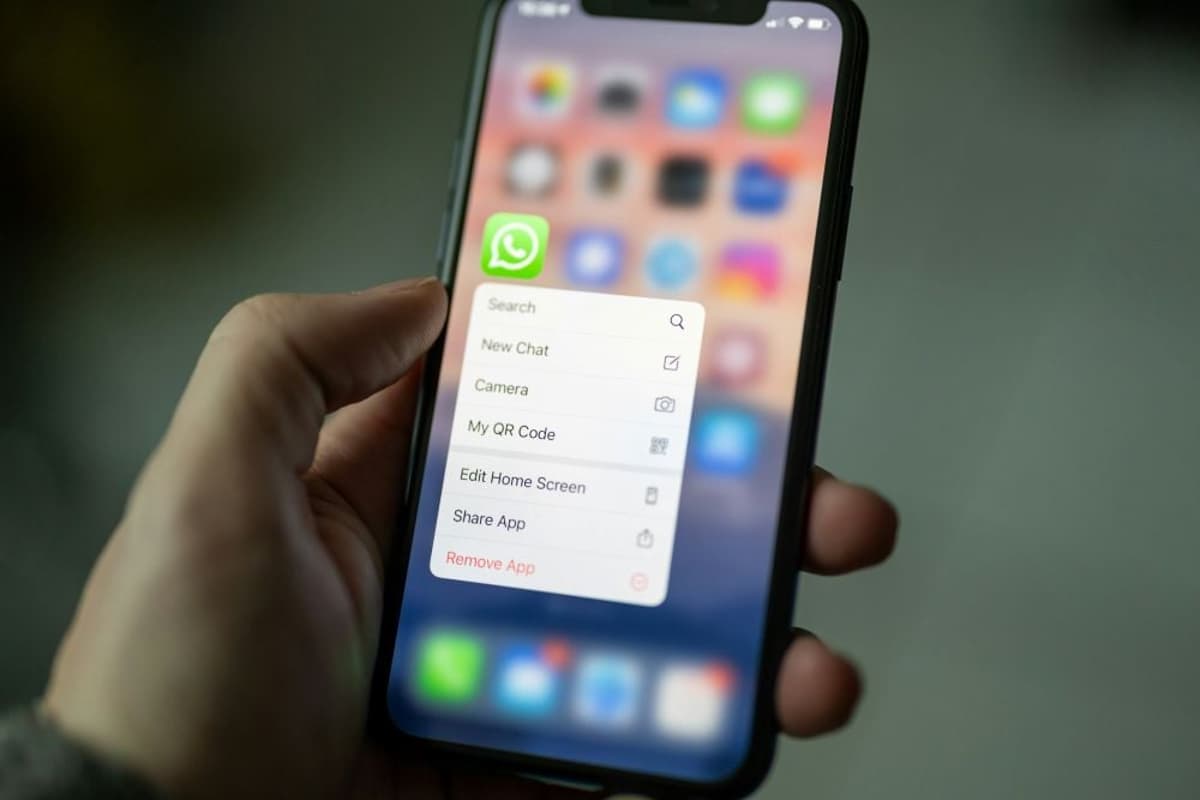
WhatsApp to End Support for Millions of Older Android Phones in 2026
Why It Matters
The cutoff forces users in cost‑sensitive regions to upgrade or lose access to a primary communication channel, driving hardware turnover and enhancing WhatsApp’s security and feature roadmap.
Key Takeaways
- •WhatsApp ends support for Android 5.0/5.1 on Sep 8 2026.
- •Minimum OS requirement moves up to Android 6.0.
- •Affects millions in Southeast Asia, Africa, Latin America.
- •Users must update, back up chats, or replace devices.
Pulse Analysis
WhatsApp’s decision to drop Android 5.0 and 5.1 reflects a broader industry trend of pruning legacy platforms. Launched in 2014, Android Lollipop still powers a sizable share of devices in price‑sensitive markets, but its aging APIs limit developers from leveraging newer security patches and performance enhancements. Maintaining compatibility with a decade‑old operating system forces WhatsApp to allocate engineering resources to legacy code, testing, and bug fixes that could otherwise accelerate feature development. By raising the minimum to Android 6.0, the company aligns its app with more modern frameworks, reducing fragmentation and improving overall stability.
The cutoff will hit users in Southeast Asia, Africa and Latin America hardest, where refurbished or low‑cost smartphones often run Lollipop. For many, WhatsApp is the primary messaging service, so loss of access could disrupt personal and business communications. However, the move also nudges consumers toward newer hardware, potentially stimulating local handset sales and aftermarket upgrade cycles. From a security standpoint, newer Android versions incorporate stricter sandboxing and encryption, mitigating risks of data breaches that older platforms are prone to. Enterprises that rely on WhatsApp for customer outreach must therefore plan migration strategies now.
WhatsApp has offered clear steps: check for OS updates, back up chats to Google Drive, and consider device replacement before September 2026. Users who ignore the warning risk losing years of conversation history, as the app will cease to send or receive messages. The announcement may prompt other high‑traffic apps to follow suit, accelerating the retirement of legacy Android support across the ecosystem. For businesses, the transition underscores the importance of data portability and proactive device management, ensuring continuity of communication channels in rapidly evolving mobile markets.
WhatsApp to End Support for Millions of Older Android Phones in 2026
Comments
Want to join the conversation?
Loading comments...