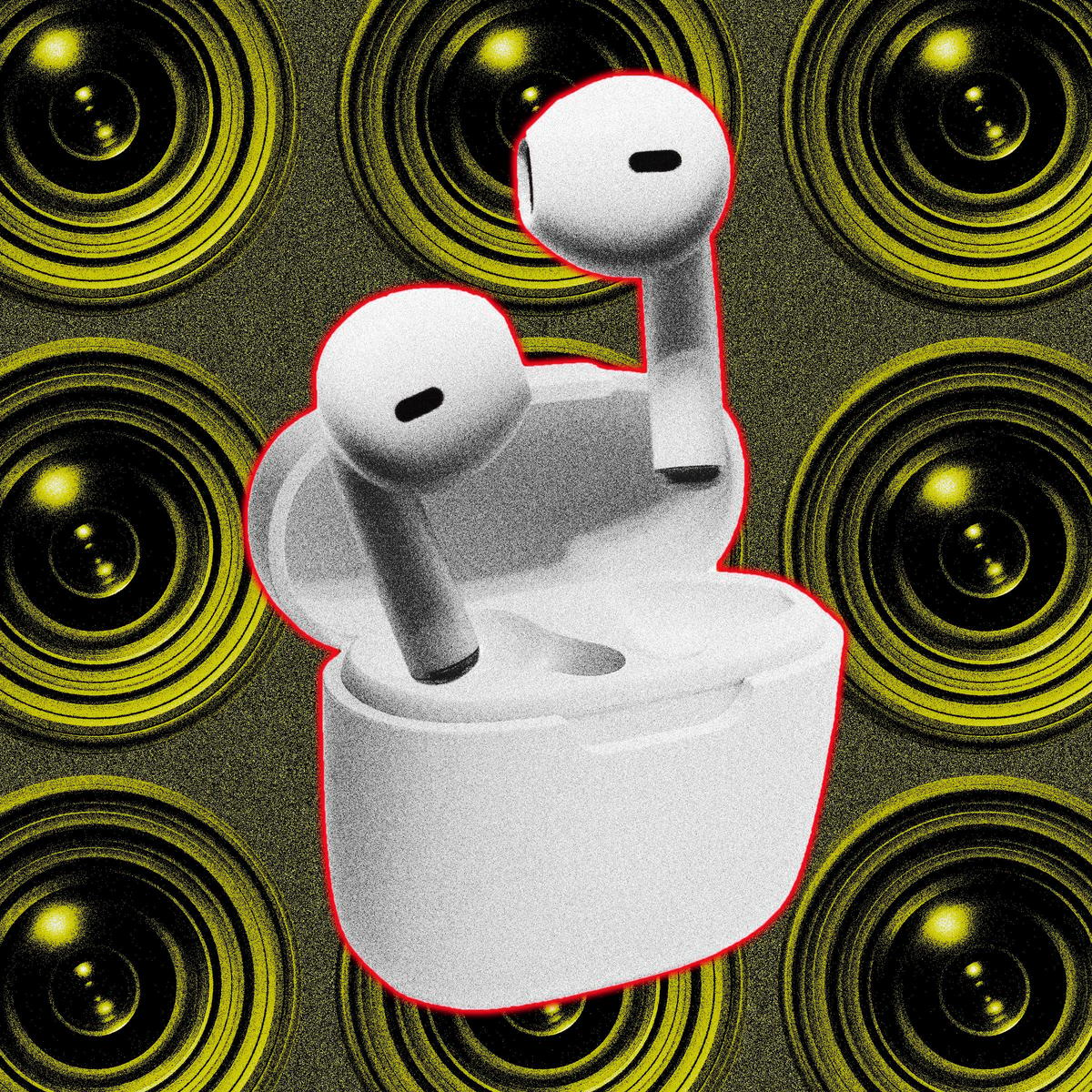
Why Apple Might Put Cameras Into Its Next AirPods
Companies Mentioned

Why It Matters
Camera‑enabled AirPods could reshape how Apple gathers real‑world data, but privacy and technical hurdles may delay a product that signals the next phase of spatial computing.
Key Takeaways
- •Apple has prototype AirPods with low‑resolution cameras
- •Cameras aim to give Siri visual context for requests
- •Privacy concerns could delay launch despite ready hardware
- •Potential uses include navigation, grocery assistance, accessibility
- •Move may serve as stepping stone to Apple glasses
Pulse Analysis
Apple’s rumored camera‑equipped AirPods illustrate a broader industry shift toward multimodal wearables that blend audio with visual data. Competitors such as Google are already embedding cameras in smart glasses to improve map‑based navigation, and Chinese startups have showcased similar earbuds. By adding tiny lenses to its most popular accessory, Apple could capture first‑person visual cues that enhance Siri’s contextual understanding, positioning the company to compete in the emerging spatial computing market while leveraging its massive installed base of iPhone and Watch users.
Technical challenges, however, loom large. The added sensor consumes valuable space in the already compact AirPod stem, cutting battery life roughly in half according to university research. Apple must also reconcile its privacy‑by‑design ethos with the need to process visual feeds, likely requiring on‑device inference or aggressive anonymization before any cloud transmission. Siri’s visual intelligence is still nascent, and without a robust vision model comparable to OpenAI’s GPT‑4V or Google’s Gemini, the cameras risk becoming a gimmick rather than a functional upgrade.
Strategically, the camera AirPods could act as a low‑cost testbed for Apple’s longer‑term smart‑glasses roadmap. Data collected from millions of earbuds would feed Apple’s Private Cloud Compute, accelerating the development of proprietary multimodal AI while keeping user data encrypted end‑to‑end. If successful, the move would reinforce Apple’s position in the AI‑driven wearables arena and set the stage for a seamless transition to Vision Pro‑style devices, but any misstep on privacy or battery performance could erode consumer trust. The upcoming WWDC and September iPhone event will likely hint at how Apple plans to balance these competing priorities.
Why Apple Might Put Cameras Into Its Next AirPods
Comments
Want to join the conversation?
Loading comments...