Why I'm Recommending Last Year's Phones over 2026 Models - with One Exception
Companies Mentioned
Why It Matters
Rising memory costs erode profit margins and inflate consumer prices, making older phones a higher‑value proposition and reshaping purchasing strategies across the industry.
Key Takeaways
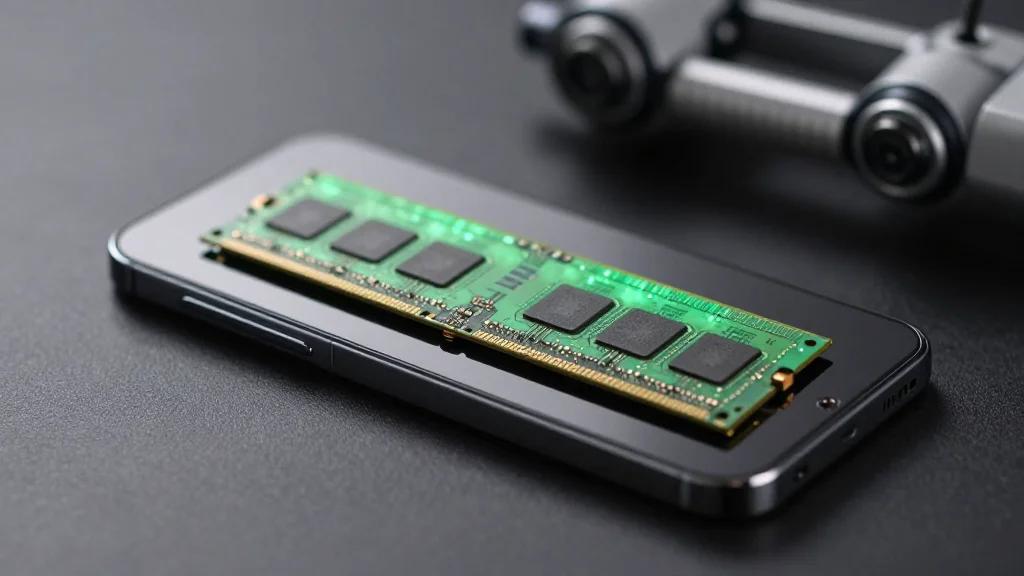
- •Memory chip shortage drives 2026 phone price hikes
- •Mid‑range 2026 phones show minimal spec improvements
- •2025 models often cost $50‑$100 less with better specs
- •Samsung S25 series matches S26 performance for lower price
- •Apple iPhone 17 offers strongest year‑over‑year upgrades
Pulse Analysis
The current semiconductor crunch is reshaping the economics of smartphones. DRAM and NAND prices have tripled since 2024, and memory now accounts for up to 20% of a mid‑range device’s bill of materials. OEMs face a stark choice: pass the cost to consumers, cut memory capacity, or delay feature rollouts. This pressure is most evident in 2026’s mid‑tier lineup, where incremental camera or battery upgrades fail to justify higher price tags, prompting analysts to label the year a "skip" for many shoppers.
For consumers, the price‑performance calculus tilts back toward 2025 models. The Pixel 10, with 12 GB RAM and a telephoto lens, can be found for around $550—still cheaper than the $600‑plus flagship released this year. Samsung’s S25 series mirrors the S26 Ultra’s core hardware, yet it benefits from deeper discounts and more flexible trade‑in offers. Even Apple’s iPhone 17, while priced at $600, delivers a noticeable leap in processor speed and display refresh rate over the iPhone 16, making it the only 2026 release that justifies its cost. In the budget segment, Motorola’s G‑series price hikes of $100 or more further erode value, reinforcing the case for older, still‑supported devices.
Looking ahead, the memory bottleneck is unlikely to resolve quickly, as AI‑driven data centers continue to hoard DRAM. This structural scarcity will keep consumer electronics prices elevated and may accelerate the adoption of modular or repair‑friendly designs that extend device lifespans. For enterprises managing mobile fleets, the recommendation is clear: prioritize 2025 hardware, negotiate bulk discounts, and monitor the supply chain for any easing of chip constraints before committing to 2026 inventory.
Why I'm recommending last year's phones over 2026 models - with one exception
Comments
Want to join the conversation?
Loading comments...