Why People Are Paying $700 for a Phone That Does Less
Key Takeaways
- •Light Phone III costs $699, offers premium minimalist experience
- •Minimal Phone uses e‑paper, runs Android 14, starts at $399
- •Mudita Kompakt emphasizes privacy, sold for $369 on sale
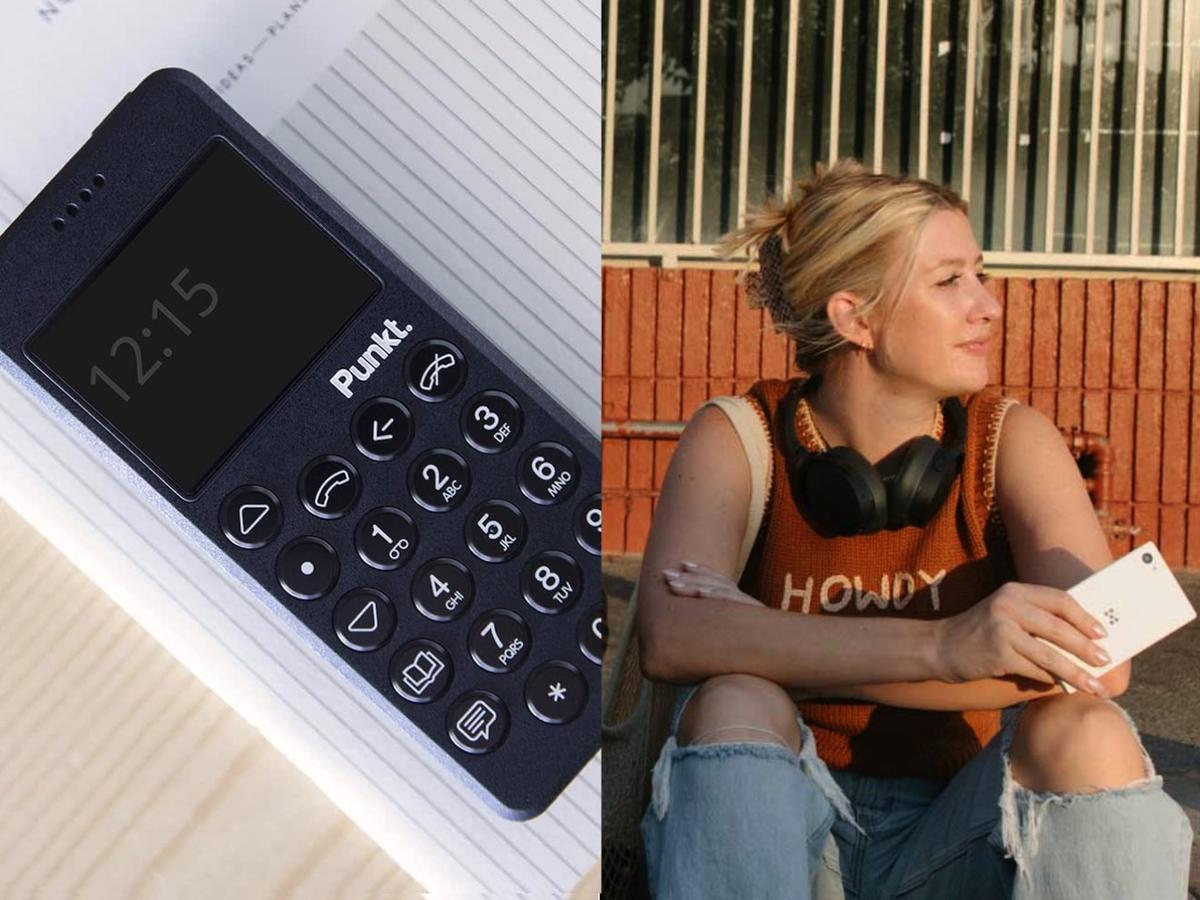
- •Punkt MP02 provides encrypted calls, priced around $299
- •Wisephone II blends 5G hardware with $14.99/month subscription
Pulse Analysis
Digital minimalism has moved from a fringe lifestyle choice to a mainstream market segment, driven by younger users fatigued by endless notifications and screen time. Analysts estimate that the "dumb‑phone" niche could capture up to 3% of the global handset market by 2028, as consumers increasingly value devices that enforce limits rather than tempt them. Brands are responding with purpose‑built hardware that replaces glossy OLED panels with e‑ink displays, integrates physical keyboards, and removes app stores, creating a clear value proposition for users seeking focus and privacy.
Each minimalist phone carves out a distinct persona: Light Phone III positions itself as a premium, design‑forward alternative at $699, offering 5G connectivity and a sleek wheel interface; Minimal Phone leverages Android 14 on an e‑paper screen for users who still want selective app access; Mudita Kompakt differentiates through a de‑Googled OS and strong privacy claims; Punkt MP02 appeals to style‑conscious buyers with encrypted Signal‑compatible messaging; and Wisephone II combines modern 5G hardware with a subscription‑based curated app suite. Pricing reflects these trade‑offs, ranging from $299 to $799, and highlights how manufacturers monetize both hardware and recurring services.
For the industry, the rise of minimalist phones forces a rethink of the traditional upgrade cycle that hinges on ever‑greater specs. Companies can capture higher margins by selling premium accessories, subscriptions, or exclusive content tied to the limited‑function ecosystem. Meanwhile, carriers may need to adjust data plans to accommodate devices that rely on occasional tethering rather than constant streaming. As consumer awareness of digital well‑being grows, expect more OEMs to launch stripped‑down models, turning what began as a niche rebellion into a sustainable product line.
Why People Are Paying $700 for a Phone That Does Less
Comments
Want to join the conversation?