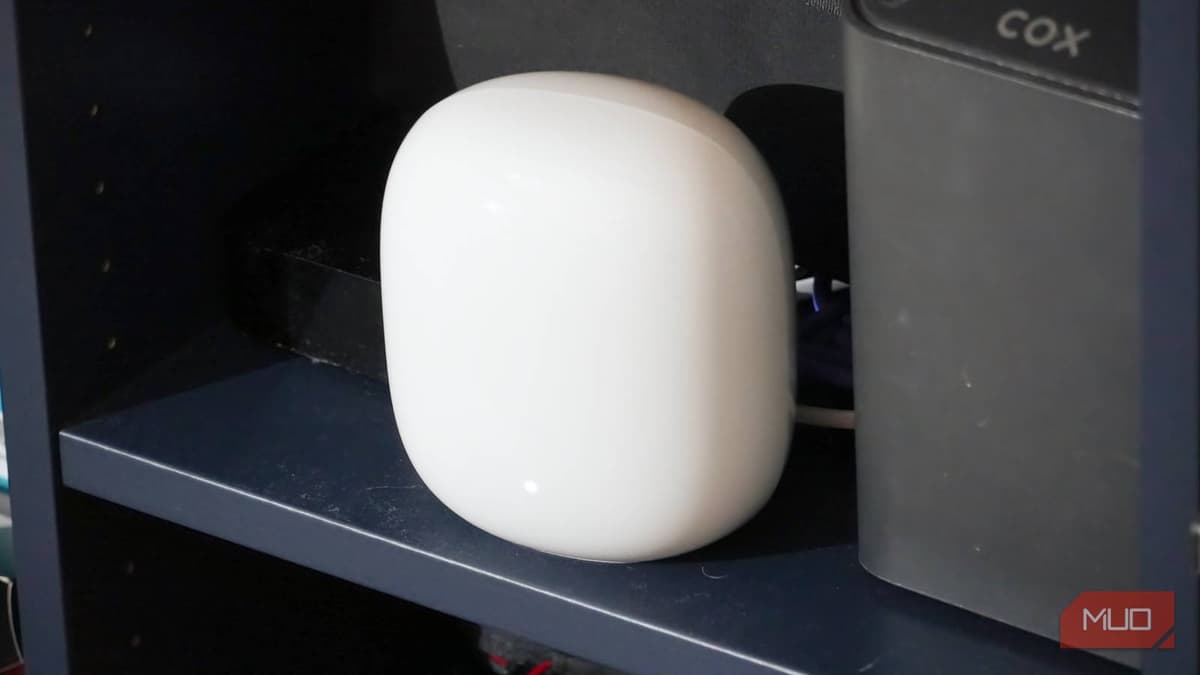
Why Your Mesh Wi-Fi Can't Reach Gigabit Speeds — and the Node Placement Fix that Works
Companies Mentioned
Why It Matters
Optimizing node placement removes bottlenecks, delivering the speeds consumers expect and reducing support costs for manufacturers and ISPs. It also accelerates adoption of advanced Wi‑Fi 6E hardware in the residential market.
Key Takeaways
- •Place nodes halfway between router and dead zones
- •Keep nodes within two rooms of each other
- •Use built‑in mesh test to verify connection quality
- •Elevate nodes off the ground for better coverage
Pulse Analysis
Mesh Wi‑Fi promises seamless coverage, but its wireless backhaul can become a hidden choke point. When nodes rely on radio links rather than Ethernet, each hop adds latency and reduces the effective bandwidth, often capping real‑world speeds well below the advertised gigabit ceiling. Interference from walls, furniture, and competing devices further degrades the signal, making a simple speed test insufficient for diagnosing the problem. Understanding that the mesh network is only as strong as the weakest link is the first step toward reliable performance.
The most effective remedy is strategic node placement. Position secondary nodes at a midpoint between the primary router and any coverage dead zone, ensuring line‑of‑sight and limiting the distance to roughly two rooms. Elevating nodes off the floor and away from large metal objects reduces signal attenuation. Modern systems like Google Nest Wi‑Fi Pro embed a mesh‑quality test that grades connections as Offline, Weak, Good, or Great, guiding users to optimal spots. For brands without native testing, third‑party apps such as Ubiquiti’s WiFiman let users map signal strength and verify which node a device is attached to, enabling data‑driven adjustments.
These best‑practice insights have broader market implications. As Wi‑Fi 6E and multi‑gigabit routers become mainstream, consumers expect consistent high‑speed connectivity throughout larger homes. Manufacturers that embed intuitive placement tools and robust testing features can differentiate their products, reduce warranty calls, and drive higher adoption rates. Meanwhile, ISPs may bundle premium mesh solutions to meet demand for reliable home office performance, positioning Wi‑Fi as a competitive alternative to wired Ethernet for many residential users.
Why your mesh Wi-Fi can't reach gigabit speeds — and the node placement fix that works
Comments
Want to join the conversation?
Loading comments...