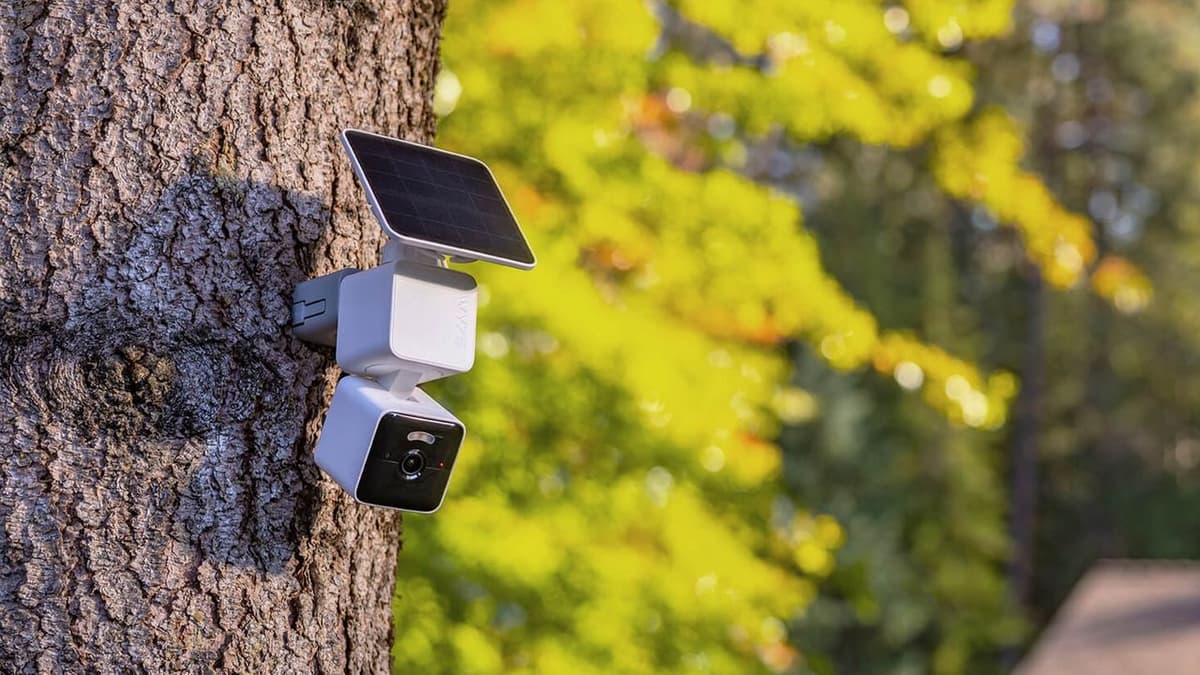
Wyze Tells Customers to Stop Using This Camera Immediately over Battery Fire Concerns
Why It Matters
The recall underscores the liability risks of DIY smart‑home hardware and the critical need for clear safety documentation, which could erode consumer trust and influence broader IoT market dynamics.
Key Takeaways
- •321,360 Wyze Solar Cam Pan cameras recalled in U.S.
- •13 incidents reported; six fires, six minor burns
- •Long flat‑head screw can puncture battery, causing fire
- •Wyze offers replacement, refund, or gift card; remote battery kill
- •Recall affects units sold Oct 2025‑Apr 2026, $80 each
Pulse Analysis
Wyze’s Solar Cam Pan was marketed as a low‑cost, solar‑powered, pan‑and‑tilt security camera that delivers 2K video and AI‑driven person tracking. Launched in late 2025 at roughly $80, the device quickly gained traction among budget‑conscious homeowners seeking a wire‑free outdoor solution. The sudden recall of over 300,000 units, however, throws a spotlight on the fragility of rapid product cycles in the smart‑home sector, where speed to market can sometimes outpace rigorous safety validation. For investors and analysts, the episode raises questions about Wyze’s risk‑management framework and its ability to sustain growth without compromising consumer safety.
The root cause of the hazard is not a design flaw but a documentation error: installers using a longer flat‑head screw instead of the specified short pan‑head screw can pierce the camera’s lithium‑ion battery, leading to rapid overheating, fire, or explosion. This underscores a broader industry lesson—hardware safety is only as strong as the instructions that accompany it. Regulatory bodies like the CPSC are increasingly scrutinizing IoT devices, and manufacturers must anticipate stricter compliance requirements. Wyze’s proactive steps—disabling app support, issuing revised manuals, and deploying a remote‑kill firmware—demonstrate a responsible response, yet the incident may linger in consumer perception.
For the wider IoT ecosystem, Wyze’s recall serves as a cautionary tale about the balance between innovation, cost efficiency, and safety. Companies developing battery‑powered, connected devices must invest in robust testing of both hardware and user‑experience flows, especially when DIY installation is encouraged. Clear, fail‑safe instructions and redundant safety mechanisms can mitigate the risk of costly recalls and brand damage. As smart‑home adoption accelerates, manufacturers that prioritize transparent safety practices are likely to earn a competitive edge, while those that overlook such fundamentals may face regulatory penalties and eroding market share.
Wyze tells customers to stop using this camera immediately over battery fire concerns
Comments
Want to join the conversation?
Loading comments...