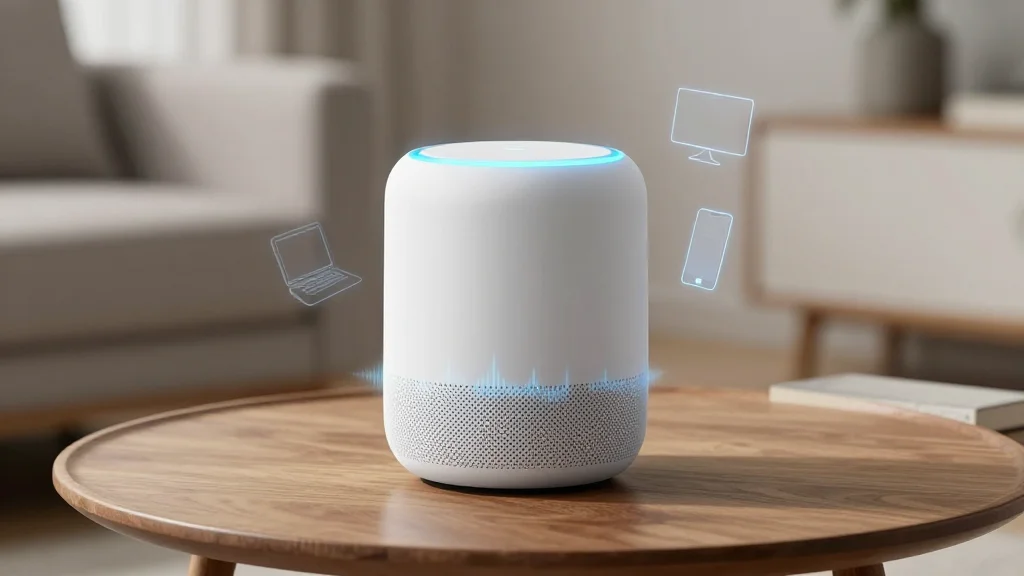
Xiaomi Launches Closed‑beta of Multi‑device AI Agent Miclaw for PC and Mac

Companies Mentioned
Why It Matters
Extending an AI assistant to desktop platforms reshapes how consumers interact with their entire tech stack. Miclaw's ability to coordinate tasks across phones, PCs and smart screens could reduce reliance on manual app switching, making everyday workflows faster and more intuitive. For Xiaomi, the beta serves as a proving ground for a cross‑device AI that could become a cornerstone of its ecosystem, encouraging users to stay within the brand for both mobile and home computing needs. The development also raises competitive pressure on other Chinese manufacturers and global players that have yet to deliver a truly unified AI experience. As AI models become more capable, the ability to execute actions across devices will be a key differentiator, influencing purchase decisions and shaping the next wave of consumer tech integration.
Key Takeaways
- •Xiaomi opened a closed beta of Miclaw for Windows 10 (64‑bit) and macOS 12+.
- •The desktop AI can trigger tasks on phones, IoT gadgets and smart home screens.
- •Beta is limited to Chinese tech enthusiasts and not yet usable for the public.
- •Integration with Xiaomi Smart Home Screen 11 adds multi‑turn conversational support.
- •Analysts see the move as a step toward a unified, cross‑device personal AI ecosystem.
Pulse Analysis
Xiaomi's Miclaw beta reflects a strategic shift from device‑centric AI to ecosystem‑wide orchestration. Historically, the company has relied on hardware volume—smartphones, wearables, TVs—to drive growth. By embedding a powerful language model into the operating system of PCs and Macs, Xiaomi is attempting to create a sticky software layer that can keep users within its ecosystem regardless of the hardware they choose. This mirrors the approach of Apple’s Siri and Google’s Assistant, but Xiaomi's advantage lies in its deep integration with a broad portfolio of affordable IoT devices, from smart bulbs to robot vacuums.
The beta's focus on voice‑first automation addresses a pain point for power users who juggle multiple platforms. If Miclaw can reliably execute complex, multi‑device workflows, it could become a compelling reason for consumers to upgrade to newer Xiaomi hardware that ships with the assistant pre‑installed. However, the success of this strategy hinges on two factors: energy efficiency on desktop hardware and robust privacy safeguards. Desktop users are especially sensitive to background AI processes that drain battery or CPU cycles, and any misstep could erode trust.
Looking ahead, the real test will be how Xiaomi scales Miclaw beyond the closed beta. A public launch that includes a seamless handoff between mobile and desktop, coupled with a clear monetization path—perhaps premium AI features or enterprise automation tools—could position Xiaomi as a serious contender in the cross‑device AI race. Competitors will likely accelerate their own integrations, making the next 12 months a critical period for defining the standards of personal AI that spans phones, laptops and the smart home.
Xiaomi launches closed‑beta of multi‑device AI agent Miclaw for PC and Mac
Comments
Want to join the conversation?
Loading comments...