Xiaomi Unveils Smart Band 10 Pro with 2,000‑Nit AMOLED and 21‑Day Battery

Companies Mentioned
Why It Matters
The Smart Band 10 Pro pushes the technical envelope for fitness trackers, forcing competitors to address two key consumer demands: visibility in bright environments and long battery life. By delivering a 2,000‑nit display, Xiaomi eliminates a common usability barrier for outdoor athletes, potentially expanding the wearables market beyond casual users to serious sports enthusiasts. If the device gains traction, it could accelerate a convergence trend where fitness bands adopt smartwatch‑level features—premium materials, advanced health sensors, and robust OS ecosystems—while retaining the low‑maintenance appeal of traditional trackers. This shift would reshape pricing dynamics and could spur a new wave of innovation focused on display technology and power management across the consumer tech sector.
Key Takeaways
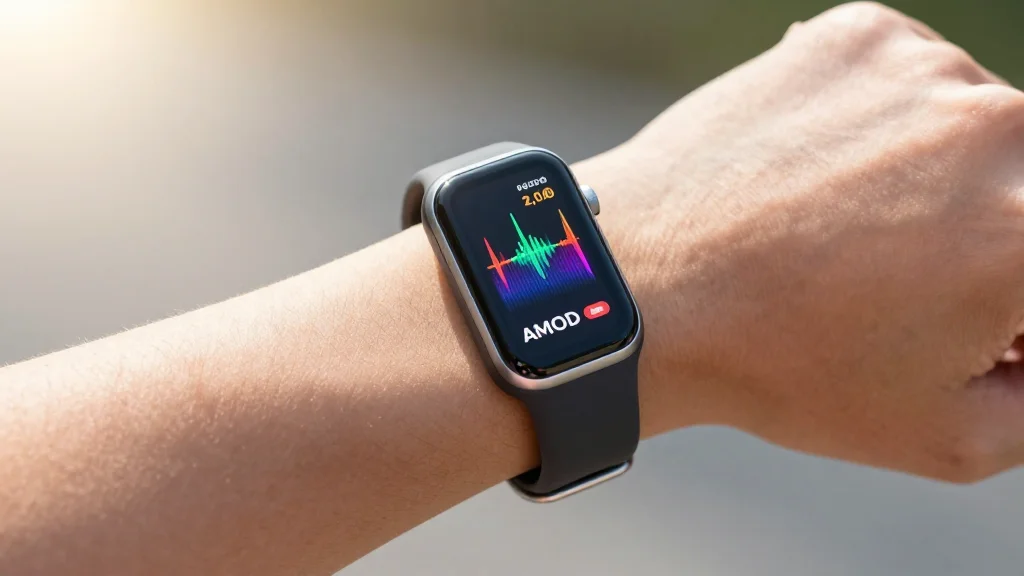
- •Xiaomi Smart Band 10 Pro launches in China with a 1.74‑inch 2,000‑nit AMOLED display
- •Battery capacity of 350 mAh delivers up to 21 days of use on a single charge
- •Premium chassis uses 6M46 aviation‑grade aluminum alloy, 9.7 mm thickness, 21.6 g weight
- •Dual‑light PPD biosensor claims 98.2 % heart‑rate accuracy; supports 150+ sport modes and five‑system GNSS
- •Runs on HyperOS 3, offering cross‑platform health integration and NFC tap‑to‑pay
Pulse Analysis
Xiaomi’s Smart Band 10 Pro represents a strategic pivot from the company’s historically volume‑driven, budget‑friendly wearables to a higher‑margin, premium segment. Historically, Xiaomi’s Mi Band series has competed on price, offering modest features at sub‑$30 price points. By introducing aviation‑grade aluminum, a ceramic edition, and a display brightness that rivals flagship smartphones, Xiaomi signals confidence that consumers will pay a premium for differentiated hardware.
The timing aligns with broader industry trends: Apple’s recent focus on health‑centric features and Samsung’s push for brighter, always‑on displays suggest that brightness and battery endurance are becoming decisive factors. Xiaomi’s 21‑day battery life also addresses a pain point that has limited smartwatch adoption—daily charging. If the band can maintain accurate sensor data over that period, it could set a new benchmark for endurance that rivals will need to match.
However, the lack of disclosed pricing introduces uncertainty. Premium materials and a high‑brightness screen will inevitably raise costs, potentially narrowing the band’s appeal to price‑sensitive markets where Xiaomi traditionally dominates. The company’s decision to roll out the device first in China, a market where consumers are accustomed to paying for premium specs, may be a test run before a broader, price‑adjusted launch.
From a competitive standpoint, the Smart Band 10 Pro forces Garmin and Fitbit to reconsider their own display technologies. Garmin’s recent releases have emphasized ruggedness and battery life but have not matched Xiaomi’s brightness levels. Fitbit’s upcoming Sense models could see pressure to improve outdoor readability. In the long term, the band could catalyze a segment-wide upgrade, prompting a wave of brighter, longer‑lasting fitness trackers that blur the line with smartwatches.
Overall, Xiaomi’s gamble hinges on consumer willingness to trade a modest price premium for a truly premium experience. If successful, the Smart Band 10 Pro could redefine the value proposition of fitness trackers, making high‑brightness, ultra‑long‑lasting displays the new baseline rather than the exception.
Xiaomi Unveils Smart Band 10 Pro with 2,000‑Nit AMOLED and 21‑Day Battery
Comments
Want to join the conversation?
Loading comments...