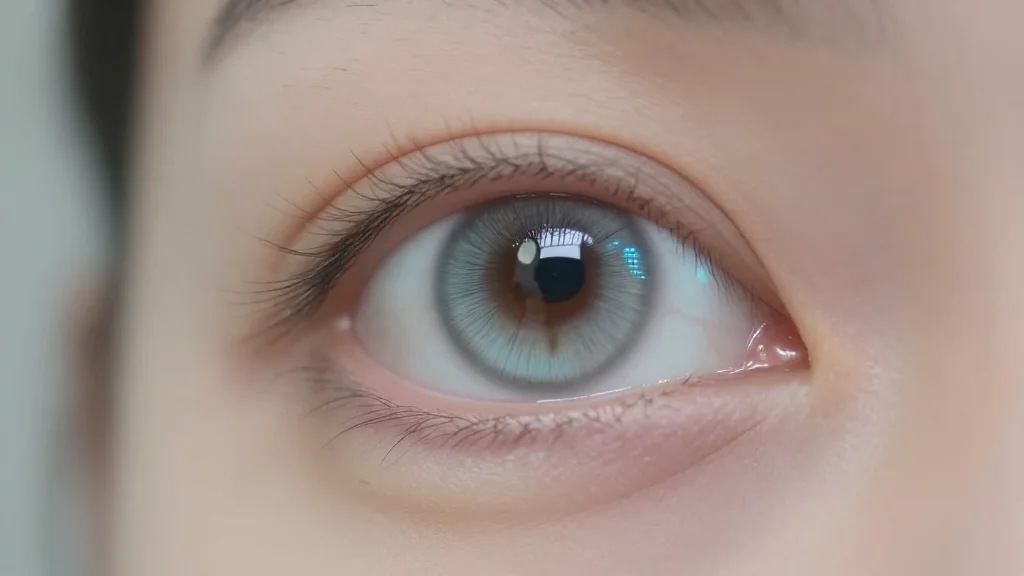
Xpanceo Aims for AR ‘iPhone Moment’ with Smart Contact Lenses

Why It Matters
Smart contact lenses could redefine how consumers interact with digital content, eliminating the need for handheld screens and opening a hands‑free AR ecosystem. By leveraging an existing market of 45 million U.S. lens wearers, Xpanceo sidesteps the classic chicken‑and‑egg problem of hardware adoption, offering a pathway to rapid scale once regulatory barriers fall. The technology also promises new revenue streams for ophthalmic care, enterprise training, and immersive advertising, potentially reshaping multiple verticals. If successful, Xpanceo’s approach would pressure larger players—Apple, Google, Meta—to accelerate their own AR eyewear programs, intensifying competition in a space that has seen limited consumer breakthroughs since early smart‑glasses attempts. The ripple effect could spur a wave of innovation in low‑power displays, battery‑free optics, and eye‑tracking AI, accelerating the broader AR market toward mainstream viability.
Key Takeaways
- •Xpanceo targets a fraction of 45 million U.S. contact‑lens wearers for early adoption.
- •Founder Roman Axelrod envisions an "iPhone moment" where lenses replace smartphones.
- •CTO Valentyn Volkov says the lenses use a parallel‑ray electro‑optical projection system.
- •Company plans a B2B‑first rollout, with consumer products expected around 2033‑2035.
- •Projected to become "the largest used computing platform ever" if 150 million daily users adopt.
Pulse Analysis
Xpanceo’s roadmap mirrors the classic technology diffusion curve: start with niche, high‑value B2B customers, then expand to mass‑market consumers once the product proves safe and functional. The ten‑year horizon is realistic given the regulatory scrutiny around ocular devices, but the company’s emphasis on leveraging the existing contact‑lens ecosystem could compress the adoption curve. Unlike smart glasses, which suffer from bulk and social stigma, contact lenses are already socially invisible, offering a seamless user experience that could accelerate habit formation.
Historically, AR has struggled to achieve a breakthrough comparable to the smartphone. The key differentiator here is the integration of display and sensor directly onto the eye, eliminating the need for external hardware. If Xpanceo can deliver a comfortable, low‑power solution that passes FDA approval, it could force incumbents to rethink their product strategies. Apple’s rumored AR glasses may need to pivot toward a contact‑lens form factor, while Meta’s Quest ecosystem could explore eye‑mounted peripherals to stay relevant.
Investors should watch Xpanceo’s upcoming B2B pilots closely. Successful deployments in medical imaging or industrial maintenance would provide the data needed to convince regulators and consumers alike. Moreover, the company’s ability to secure partnerships with major lens manufacturers could lock in supply chains and lower unit costs, making the eventual consumer price point competitive with premium smart‑glasses. The next three years will be decisive: clinical trial outcomes, partnership announcements, and early adopter feedback will shape whether Xpanceo truly triggers the long‑awaited AR "iPhone moment."
Xpanceo Aims for AR ‘iPhone Moment’ with Smart Contact Lenses
Comments
Want to join the conversation?
Loading comments...