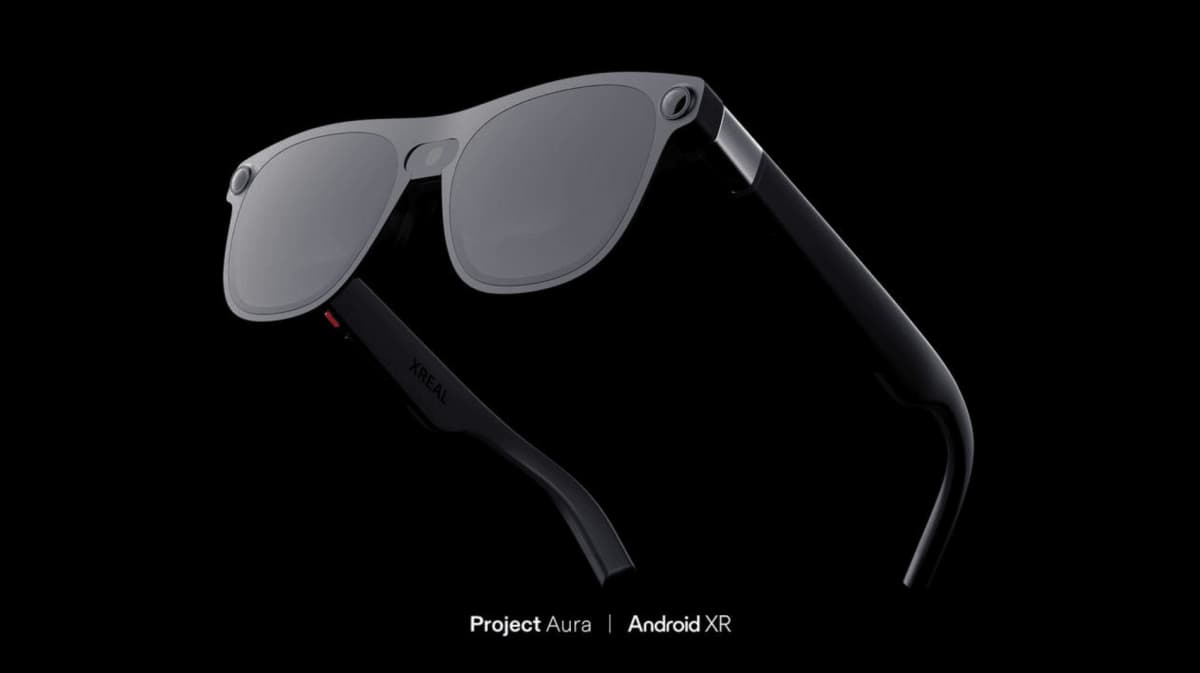
Xreal, Google’s Smartglasses Partner, Thinks It Has Finally Mastered This Notoriously Tricky Industry
Why It Matters
If Xreal can turn a profit, it could validate the long‑awaited business model for consumer‑focused AR glasses and accelerate broader industry adoption. Its success would also signal that the smart‑glasses market is moving past the prototype phase into sustainable revenue streams.
Key Takeaways
- •Xreal's Aura uses a tethered puck for processing power
- •Google partnership gives Aura access to Maps and hand‑tracking apps
- •Company targets developers now, consumer launch planned later 2026
- •Xreal aims to break even in 2025 by improving margins
- •Smart‑glasses market may finally reach inflection point after Meta's success
Pulse Analysis
The smart‑glasses sector has been plagued by bulky designs, limited use cases, and chronic financial losses, turning it into a venture‑capital black hole for over a decade. Early attempts from major players like Microsoft and Apple failed to gain traction, while Meta’s 2023 Ray‑Ban collaboration finally demonstrated that a consumer‑friendly form factor could sell in meaningful volumes, albeit at a steep operating loss. This shift has sparked optimism that the technology stack—display, optics, and software—has matured enough for a viable market.
Xreal’s Project Aura builds on that momentum by pairing lightweight OLED lenses with a detachable "puck" that houses the processor, battery, and connectivity. The tethered approach sidesteps the weight and heat constraints that have hamstrung fully integrated glasses, allowing higher resolution video and more complex AR experiences such as Google Maps navigation, hand‑tracked painting, and VR YouTube playback. By leveraging Google’s ecosystem, Aura gains immediate access to a suite of services and developer tools, positioning it as a flexible platform for both entertainment and productivity scenarios.
From a business perspective, Xreal’s focus on improving gross margins and curbing sales‑force expenses signals a disciplined path to profitability—a rarity in the AR space. An anticipated IPO before the close of 2026 could provide the capital needed to scale manufacturing and expand its developer community. If the company meets its break‑even target in 2025, it would prove that a commercially sustainable smart‑glasses model is achievable, potentially unlocking a wave of enterprise adoption and prompting larger tech firms to double down on AR investments.
Xreal, Google’s smartglasses partner, thinks it has finally mastered this notoriously tricky industry
Comments
Want to join the conversation?
Loading comments...