Your Apple Watch Probably Doesn't Support watchOS 27
Companies Mentioned
Why It Matters
Limiting watchOS 27 to newer watches shortens the usable life of recent Apple Watch models, affecting resale values and enterprise deployment costs. It also signals Apple’s strategic shift toward faster hardware turnover in its wearables line.
Key Takeaways
- •watchOS 27 supports only Series 10, Series 11, Ultra 2, Ultra 3, SE 3
- •Series 6‑9 and Ultra 1 lose OS updates
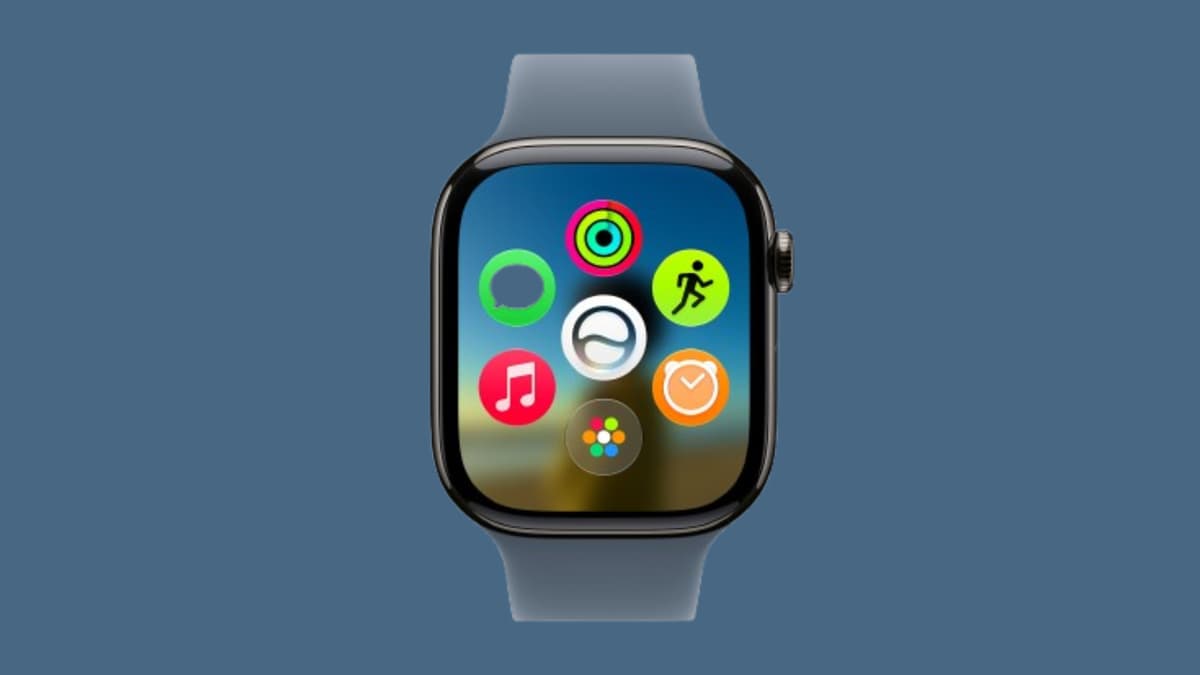
- •New Siri AI, dynamic apps screen, single‑tap gesture
- •Apple continues iPhone support but narrows watch lifecycle
Pulse Analysis
Apple’s WWDC 2026 keynote highlighted a bold commitment to iPhone longevity, pledging iOS 27 compatibility back to the 2019 iPhone 11. That announcement underscored Apple’s strategy of extending software life cycles to retain customers and reduce upgrade pressure. In contrast, the same event revealed a much narrower support horizon for watchOS 27, limiting the update to the newest Apple Watch models. By excluding Series 6 through Series 9 and the first‑generation Ultra, Apple is effectively resetting the upgrade clock for its wearables, a move that could reshape consumer expectations for device longevity.
For current Apple Watch owners, the narrowed rollout carries immediate financial and operational implications. Users of Series 6‑9, which remain fully functional and often cost‑effective on the secondary market, will miss out on the Siri AI enhancements, dynamic apps launcher, and new gesture controls. Enterprises that standardize on Apple Watch for health monitoring or field services may need to budget for earlier replacements, while resale values for unsupported models are likely to dip. The decision also highlights a broader industry tension: balancing rapid hardware innovation with the sustainability concerns of a tech‑savvy consumer base.
The watchOS 27 limitation reflects a wider trend among premium hardware manufacturers to accelerate product cycles as features become increasingly software‑intensive. Apple may be positioning its wearables to align with the rapid rollout of AI‑driven services, which demand newer processors and sensors. Analysts suggest that users should evaluate upgrade timing based on feature relevance rather than brand loyalty alone. Keeping an eye on Apple’s future announcements—especially any potential extended‑support programs—will be crucial for both individual buyers and businesses aiming to maximize ROI on wearable technology.
Your Apple Watch Probably Doesn't Support watchOS 27
Comments
Want to join the conversation?
Loading comments...