Your Google Search Widget Has 3 Hidden Features You're Probably Missing
Why It Matters
Customizing the Search widget boosts user engagement and reinforces Google’s AI‑first strategy across Android, keeping the widget a central gateway to search, Lens, and voice services. It also differentiates Android’s UI flexibility from competing ecosystems, driving device‑level loyalty.
Key Takeaways
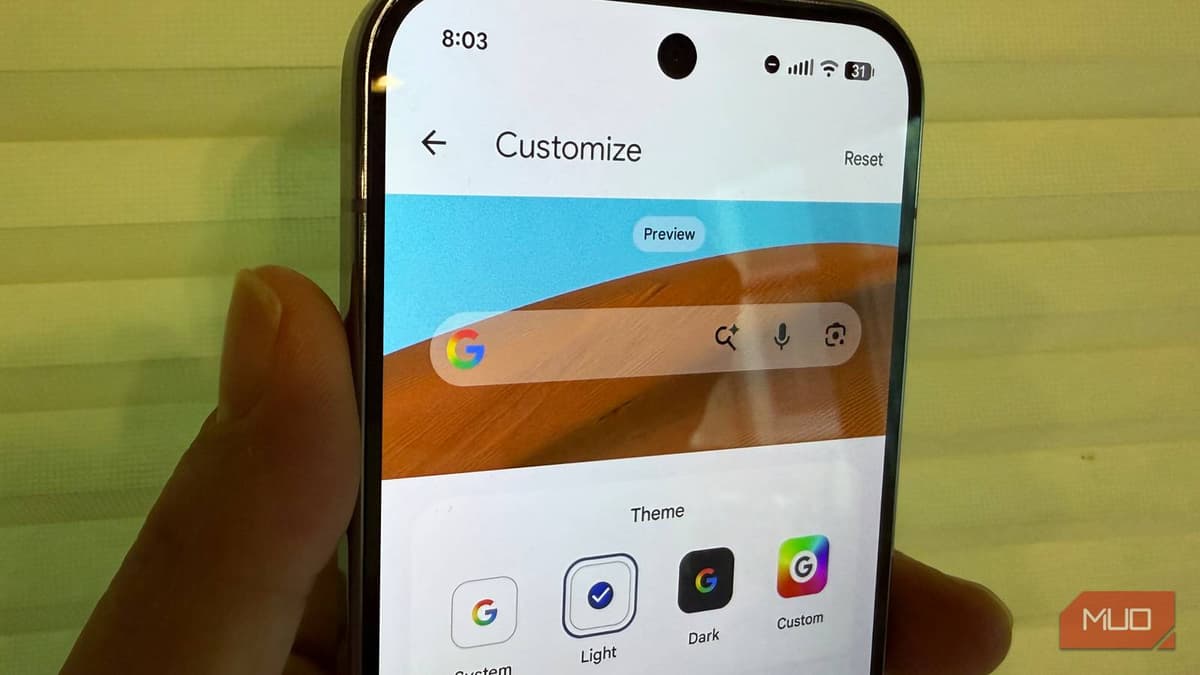
- •Widget theme can be System, Light, Dark, or fully custom colors
- •Users can assign one of twelve shortcut actions, like Homework or Translate
- •Non‑Pixel Android phones allow resizing the widget to any width
- •Customization enhances home‑screen aesthetics and quick AI‑powered searches
- •Google’s Lens and voice integration keep the widget central to Android UX
Pulse Analysis
The Android home screen has long served as the primary canvas for user interaction, and Google’s Search widget sits at its heart. Recent updates reveal that the widget is far more than a static search bar; users can now select System, Light, Dark, or a custom color palette and fine‑tune transparency to blend seamlessly with any wallpaper. This level of visual control mirrors broader trends in mobile personalization, where consumers expect their devices to reflect personal style while maintaining functional efficiency.
Beyond aesthetics, the widget’s functional upgrades underscore Google’s AI‑first roadmap. By adding a configurable shortcut—ranging from Homework assistance via Lens to real‑time Translate—Google embeds its machine‑learning services directly into everyday gestures. Voice Search and Lens remain fixed, but the optional third button transforms the widget into a launchpad for specialized AI tools, positioning Google against rivals like Apple’s Siri widget and Microsoft’s Bing integration. These capabilities encourage users to rely on Google’s ecosystem for quick, context‑aware answers, reinforcing data collection and ad targeting opportunities.
From a business perspective, the enhanced widget drives deeper engagement on Android devices, especially those outside the Pixel lineup where resizing is permitted. Manufacturers can market a more personalized UI, while Google benefits from increased usage of its AI services, potentially boosting ad impressions and cross‑service adoption. As Android continues to dominate global smartphone market share, such incremental yet impactful features help retain user loyalty and differentiate the platform in a crowded competitive landscape.
Your Google Search widget has 3 hidden features you're probably missing
Comments
Want to join the conversation?
Loading comments...