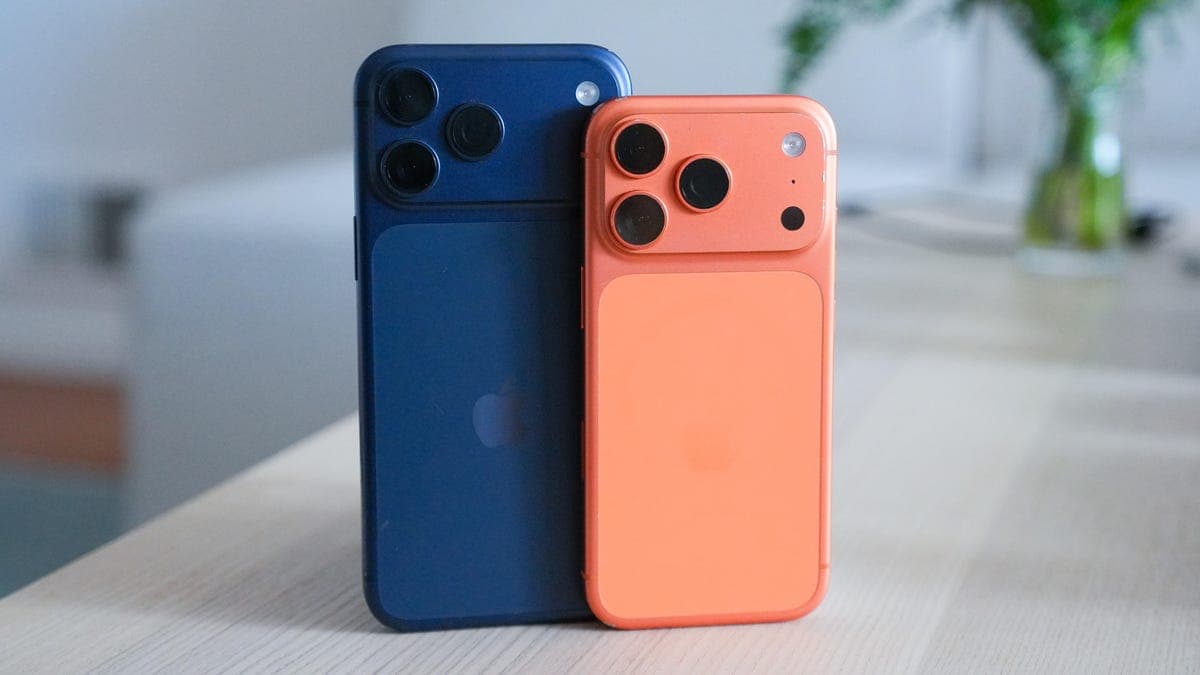
Your iPhone Is Getting Enhanced Bluetooth Tracking with iOS 27 - but There's a Catch
Why It Matters
The upgrade could break Apple’s UWB‑centric lock‑in by letting non‑Apple accessories benefit from high‑precision tracking, opening new revenue streams for accessory makers. However, the need for Bluetooth 6.3 hardware means the advantage will be limited until manufacturers catch up.
Key Takeaways
- •iPhone 17 series will be first with Channel Sounding support.
- •Feature requires Bluetooth 6.3, not yet common in accessories.
- •Enables centimeter‑level Find My tracking for third‑party devices.
- •Only devices with Apple’s N1 chip can use Channel Sounding.
- •Widespread adoption expected to lag at least one year.
Pulse Analysis
Channel Sounding, first detailed in the Bluetooth 6.0 specification released in late 2024, uses fine‑grained signal analysis to estimate distance and direction between devices with far greater accuracy than traditional Bluetooth RSSI methods. By leveraging the N1 networking chip, Apple can embed this capability directly into iOS 27, allowing the iPhone to act as a high‑precision anchor for any compatible peripheral. The technology promises centimeter‑level resolution, a leap forward for indoor positioning and proximity‑based services.
For consumers, the most visible impact will be a more capable Find My experience. Currently, Apple relies on ultra‑wideband (UWB) chips for precise direction, a feature limited to a handful of its own products. Channel Sounding democratizes that precision, enabling third‑party headphones, earbuds, smart locks, and trackers to report exact location within the Find My app. This not only improves everyday convenience—knowing exactly where a misplaced AirTag‑like device lies—but also strengthens security for digital keys, ensuring they only unlock when the authorized iPhone is within a tightly defined range.
The rollout, however, faces practical hurdles. Bluetooth 6.3, the mandatory baseline for Channel Sounding, is still rare in consumer accessories, many of which ship with Bluetooth 5.4 or earlier. While flagship smartphones and smartwatches tend to adopt new Bluetooth versions quickly, headphones and earbuds are unlikely to support 6.3 until at least 2026. Consequently, developers and accessory makers may need a year or more to certify products, meaning the iPhone 17’s advanced tracking will initially benefit a limited ecosystem. Early adopters and enterprise use cases—such as secure facility access—are poised to gain the most, while the broader market watches for a cascade of compatible devices.
Your iPhone is getting enhanced Bluetooth tracking with iOS 27 - but there's a catch
Comments
Want to join the conversation?
Loading comments...