Your Motherboard Has Features You Paid for but Never Bothered to Use
•February 22, 2026
0
Why It Matters
Choosing an appropriate motherboard prevents unnecessary expense and optimizes overall system cost efficiency, a critical consideration for both hobbyists and businesses planning multiple builds.
Key Takeaways
- •Mid‑range boards meet most gamers' needs
- •Extra PCIe lanes rarely used in typical builds
- •Overkill VRMs add cost without performance gain
- •Dual BIOS redundant thanks to BIOS flashback
- •Multi‑gig Ethernet exceeds current home internet speeds
Pulse Analysis
The motherboard has transformed from a simple circuit board into a platform that dictates power delivery, connectivity, and even firmware flexibility. As CPUs and DDR5 memory become more demanding, manufacturers pack increasingly sophisticated chipsets, and reviewers often rank boards by the sheer number of features. This feature‑centric marketing fuels a “future‑proof” mindset, prompting builders to pay a premium for capabilities they may never activate. However, the average gaming or office PC rarely exceeds the bandwidth or storage requirements that these high‑end specifications address, making the extra cost largely speculative.
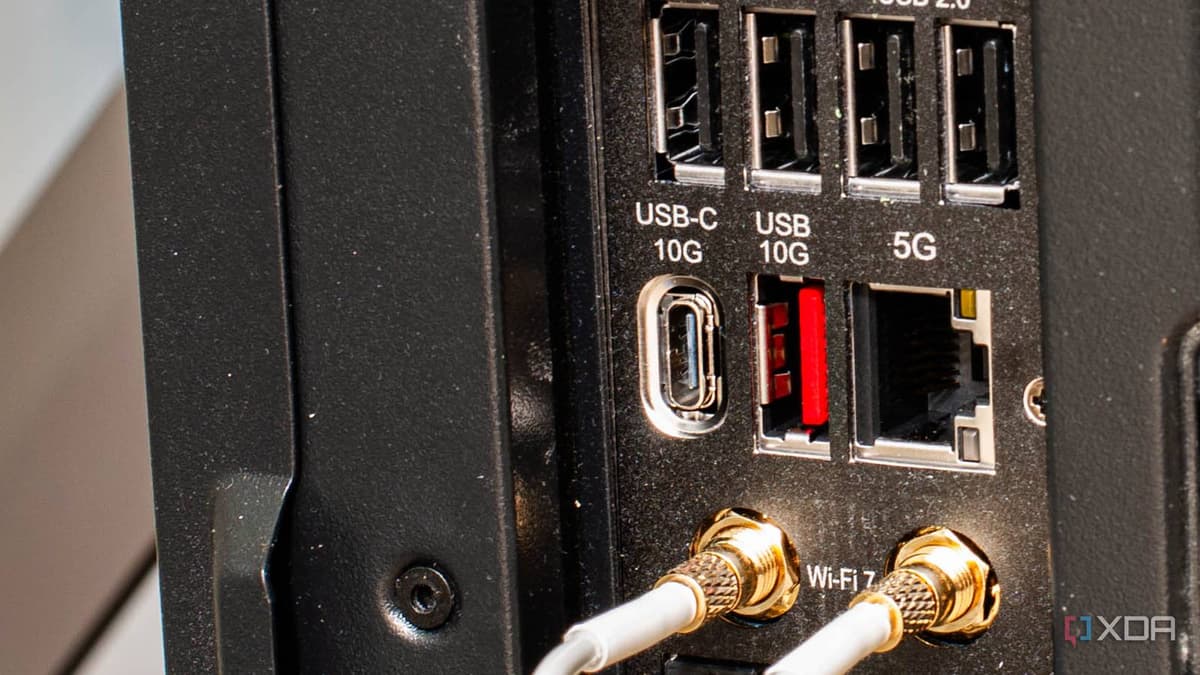
Extra PCIe lanes, 18‑phase VRMs, dual BIOS modules, and 5 GbE LAN are the most cited examples of overkill. In real‑world testing, a single Gen 5 SSD already saturates typical game load times, while most titles still rely on PCIe 4.0 bandwidth. Undervolting a CPU delivers comparable stability to aggressive overclocking without demanding massive power phases. BIOS flashback now allows firmware updates without a CPU, rendering redundant backup BIOS unnecessary. Likewise, 2.5 GbE connections exceed the 300 Mbps average household speed, so the extra Ethernet bandwidth rarely translates into perceptible performance gains.
Builders looking to maximize value should start with a chipset that covers essential needs—B650/B850 for AMD or B660 for Intel—then evaluate tangible benefits such as robust VRM cooling, tool‑less M.2 mounting, or a clear Q‑Code display. The money saved by skipping seldom‑used features can be redirected toward a higher‑capacity GPU, faster RAM, or a premium power supply, which deliver measurable performance improvements. As component prices stabilize and cloud‑based storage reduces local capacity demands, motherboard feature creep is likely to plateau, reinforcing the case for pragmatic, cost‑effective selections in both consumer and enterprise PC deployments.
Your motherboard has features you paid for but never bothered to use
0
Comments
Want to join the conversation?
Loading comments...