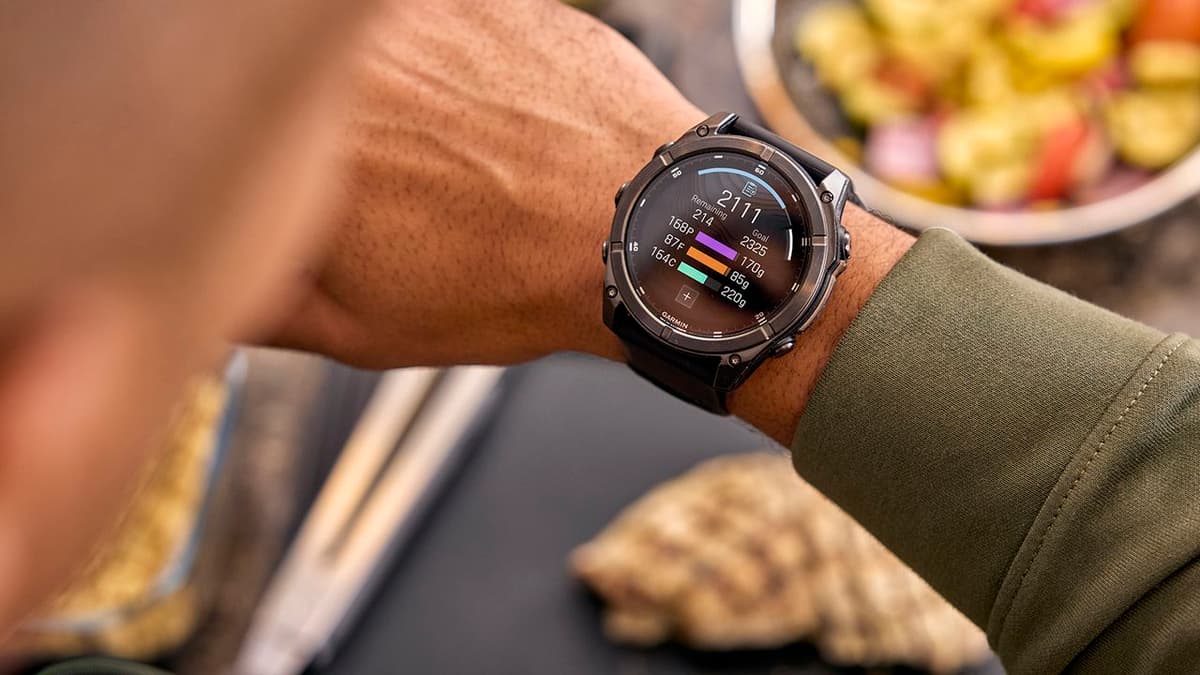
Your Next Garmin Watch Could Have Better Battery Life than Ever –Thanks to Major Platform Upgrade
•March 2, 2026
0
Companies Mentioned


Why It Matters
Longer battery life and on‑device AI reshape user expectations and give manufacturers a new competitive lever in the crowded wearables market.
Key Takeaways
- •Snapdragon Wear Elite claims 30% battery life boost.
- •Clock speeds five times faster than previous Wear chip.
- •Graphics performance seven times better than earlier Wear platform.
- •Integrated eNPU provides low‑power AI processing.
- •Motorola, Samsung, Google Wear OS confirmed early partners.
Pulse Analysis
The wearables market has long been constrained by modest battery capacity, forcing users to recharge daily or even multiple times a day for feature‑rich devices. Qualcomm’s announcement of the Snapdragon Wear Elite chipset directly addresses this pain point, promising up to a 30 percent increase in ‘day of use’ compared with existing platforms. By leveraging a more efficient power architecture and faster charging support, the new chip could extend the typical 24‑hour cycle of fitness watches and smart bands to well beyond a full day, reshaping consumer expectations for on‑the‑go performance.
Beyond endurance, Wear Elite delivers a dramatic leap in processing power. Clock speeds are five times faster than the previous Wear generation, while graphical capability jumps sevenfold, enabling smoother animations and richer user interfaces on small screens. The on‑board neural processing unit (eNPU) operates at low power, making real‑time AI tasks—such as voice activation, health‑metric inference, and contextual notifications—feasible without draining the battery. These capabilities open the door for next‑generation form factors, from AI‑enabled smart rings and pins to augmented‑reality glasses that require constant sensor fusion.
The chipset’s early adoption list—Motorola, Samsung and Google’s Wear OS—signals a rapid rollout across flagship devices, and Garmin is poised to follow suit to stay competitive in the fitness‑watch segment. As manufacturers integrate Wear Elite, they can differentiate their products through longer standby times and AI‑driven features, potentially commanding higher price points. However, the true market impact will depend on how quickly supply chains adapt and whether developers can fully exploit the eNPU’s capabilities. If these hurdles are cleared, the next wave of wearables could set a new benchmark for battery longevity and intelligent interaction.
Your next Garmin watch could have better battery life than ever –thanks to major platform upgrade
0
Comments
Want to join the conversation?
Loading comments...