Your Old Android Phone Can Replace a Roku or Fire Stick—Here's the Setup I Use
Companies Mentioned

Why It Matters
Turning an old smartphone into a streaming appliance offers a low‑cost, sustainable alternative to dedicated sticks, extending device life and reducing e‑waste while delivering comparable entertainment experiences.
Key Takeaways
- •Old Moto G (4 GB RAM, 128 GB) runs Android TV smoothly
- •ATV Launcher provides TV‑style UI for under $3
- •Wired HDMI yields 4K; casting limited to 1080p and can lag
- •Samsung TV casting lagged; Android TV set worked flawlessly
- •Reusing phones cuts e‑waste and saves ~$40 versus a streaming stick
Pulse Analysis
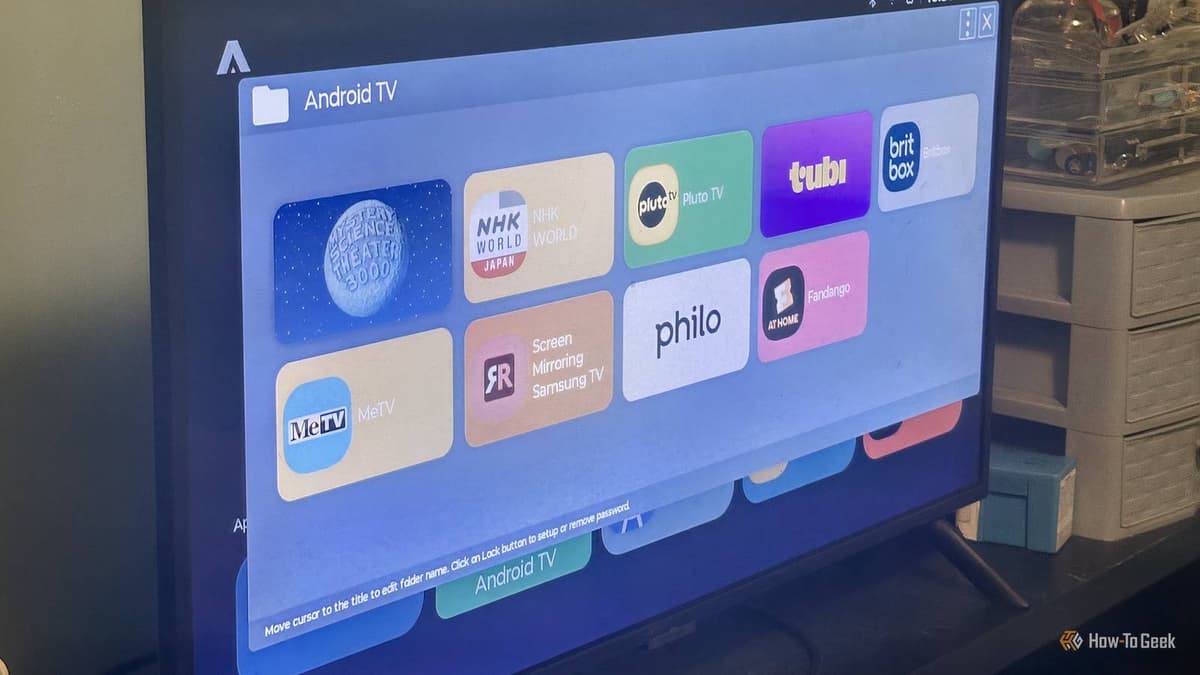
The consumer‑tech market is increasingly embracing device reuse as a way to stretch budgets and curb electronic waste. An aging smartphone, especially one with a recent processor and ample RAM, can be transformed into a full‑featured Android TV platform for a fraction of the cost of a Roku, Fire Stick, or Nvidia Shield. By installing a purpose‑built launcher like ATV Launcher—available for under $3—users gain a polished, remote‑friendly UI that mimics native streaming boxes, while the phone’s built‑in casting feature connects to any smart TV without extra hardware.
From a technical standpoint, the Moto G’s 4 GB of RAM and 128 GB of storage comfortably run Android 16 (codenamed Baklava) and handle popular streaming apps such as YouTube, Tubi, and Pluto TV. Casting to a Samsung TV proved problematic, with noticeable lag and intrusive ads, highlighting the limitations of wireless mirroring on certain platforms. In contrast, an Android TV‑compatible set delivered seamless playback, confirming that native support trumps generic casting. Users seeking 4K quality can opt for a USB‑C‑to‑HDMI adapter, which bypasses the bandwidth constraints of wireless streams, though this adds a modest hardware cost.
For businesses and content providers, this DIY approach signals a shift toward more flexible, cost‑effective distribution channels. As Android 17 rolls out, compatibility with older hardware is likely to improve, expanding the pool of potential secondary‑market devices. Manufacturers could capitalize on this trend by bundling lightweight TV launchers or offering official HDMI adapters, turning surplus inventory into revenue streams while promoting sustainability. Consumers, meanwhile, gain a viable, low‑price pathway to upgrade their home entertainment without discarding functional smartphones.
Your old Android phone can replace a Roku or Fire Stick—here's the setup I use
Comments
Want to join the conversation?
Loading comments...