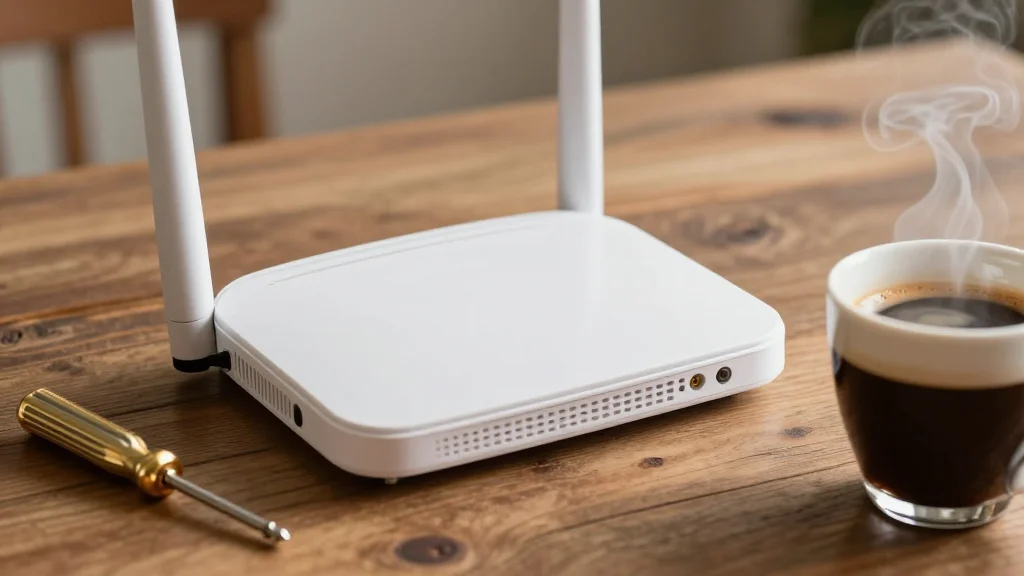
Your Wi-Fi Deadzone Fix Costs $5 and Takes 15 Minutes to Set Up
Why It Matters
The solution provides an ultra‑low‑cost, DIY alternative to commercial extenders, enabling homeowners and small businesses to improve network reach without significant expense or hardware upgrades.
Key Takeaways
- •ESP32 boards cost $2‑$5 and include Wi‑Fi/Bluetooth.
- •Flashing esp32_nat_router_extended firmware creates a functional repeater.
- •Setup takes under 15 minutes, no coding required.
- •Supports only 2.4 GHz, suitable for IoT and light browsing.
- •Ideal for targeted dead zones, not whole‑home coverage.
Pulse Analysis
The ESP32, a $2‑$5 microcontroller from Espressif, has become a staple in hobbyist and professional IoT projects because it bundles Wi‑Fi and Bluetooth on a single chip. Its price point undercuts traditional Wi‑Fi range extenders, which often start at $30 and require proprietary apps. By repurposing an inexpensive board as a repeater, users can eliminate the markup on consumer networking gear while keeping hardware footprints small. This DIY approach aligns with a broader trend of cost‑conscious consumers turning to open‑source hardware for everyday connectivity challenges.
The esp32_nat_router_extended firmware, maintained on GitHub, transforms the board into a transparent NAT router with a web‑based configuration portal. Flashing the pre‑compiled binary takes minutes and requires no programming knowledge, making the solution accessible to non‑engineers. Because the ESP32 operates solely on the 2.4 GHz band, throughput tops out around 30 Mbps—adequate for smart‑home sensors, light‑duty cameras, and casual browsing but insufficient for high‑definition streaming. Users should also secure the repeater with strong passwords and keep the firmware updated to mitigate the limited security features inherent in low‑cost devices.
For small businesses and renters, the $5 ESP32 repeater offers a scalable way to patch Wi‑Fi blind spots without renegotiating lease terms or investing in enterprise mesh systems. As more IoT devices proliferate in homes and offices, the demand for affordable, customizable networking nodes is likely to rise, encouraging manufacturers to support open‑source firmware ecosystems. While it won’t replace a full‑featured router, the solution demonstrates how community‑driven hardware can democratize network optimization, potentially reshaping the low‑end market for consumer networking accessories.
Your Wi-Fi deadzone fix costs $5 and takes 15 minutes to set up
Comments
Want to join the conversation?
Loading comments...