
Key Takeaways
- •Grammarly sued for unauthorized use of writer identities
- •Roblox mandates pre‑approval of brand deals, adds creator revshare
- •LinkedIn creates exclusive Top Voices 360° tier for paid creators
- •AI‑generated podcasts now hitting millions of downloads, scaling fast
- •Platforms tightening controls, raising compliance burdens for creators
Pulse Analysis
The Grammarly lawsuit marks a watershed moment for AI‑driven content tools, spotlighting the tension between convenience and intellectual‑property rights. By attributing feedback to celebrated authors without consent, the company opened the door to privacy and publicity claims that could reshape how AI platforms source and present expert voices. Legal scholars predict stricter licensing frameworks and potential industry standards for AI‑generated attribution, compelling developers to secure clear rights before leveraging public figures.
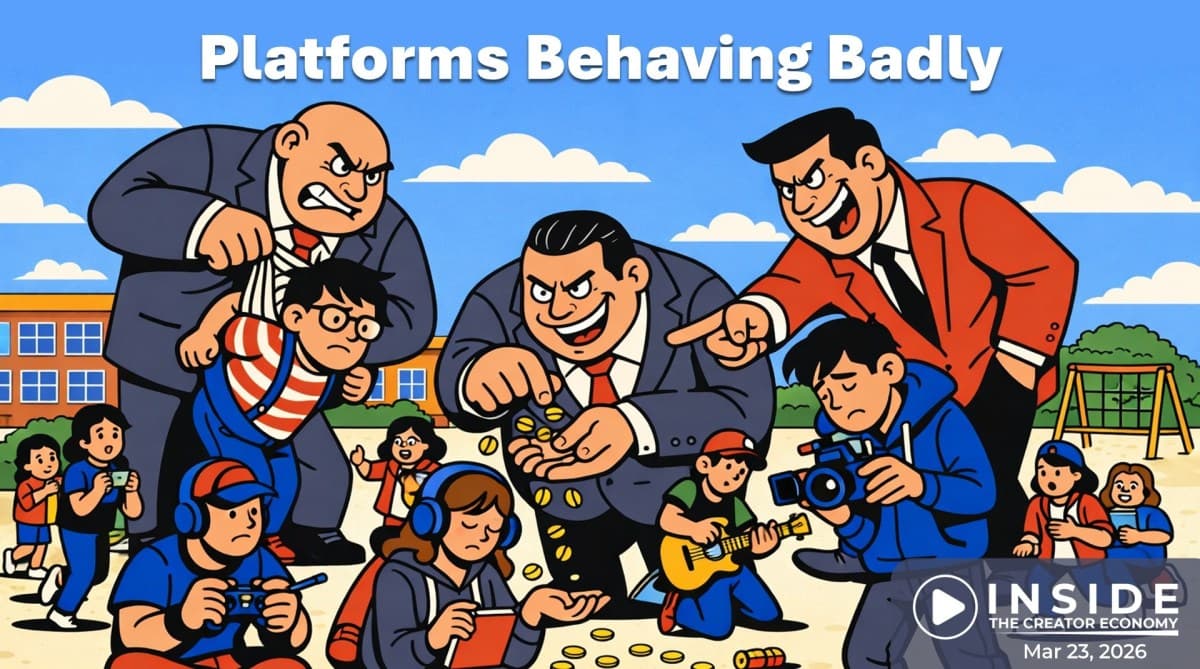
Roblox’s new ad policy and LinkedIn’s Top Voices 360° tier illustrate a broader trend of platforms monetizing creator relationships more directly. Roblox’s requirement for pre‑launch brand‑deal registration and its upcoming revshare echo YouTube’s early monetization playbook, promising platform revenue but potentially adding administrative overhead for creators. LinkedIn’s premium creator tier further stratifies the ecosystem, rewarding a select few with brand sponsorship pipelines while leaving the majority to rely on organic reach. These moves raise questions about creator autonomy, market concentration, and the balance between platform control and creator freedom.
The rapid rise of AI‑generated podcasts signals a shift in the media consumption landscape, where “info media” can be produced at scale without human hosts. With series like The Epstein Files achieving two million downloads and chart‑topping status, advertisers are eyeing synthetic content as a cost‑effective channel. However, the differentiation between relationship‑driven and fact‑driven media suggests human creators must double down on unique voice and perspective to stay relevant. As AI tools become ubiquitous, strategic creators will need to blend authentic storytelling with technology‑enhanced production to maintain audience trust and market value.
PLATFORMS BEHAVING BADLY
Comments
Want to join the conversation?