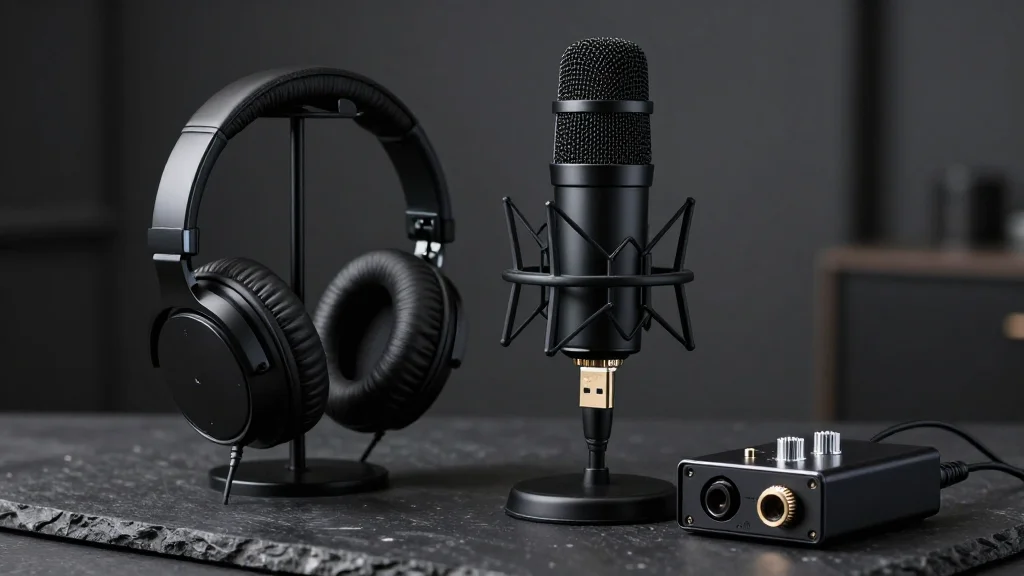
Top Equipment Needed for Podcasting in 2026
Key Takeaways
- •Dynamic USB mic plus boom arm ensures clean audio in untreated rooms
- •Closed‑back wired headphones provide real‑time monitoring to catch noise
- •Portable acoustic panels ($200‑$500) often outperform a $1,000 mic in reverberant spaces
- •Upgrade to XLR interface when adding co‑hosts or remote guests
- •Consistent three‑point lighting boosts video podcast completion rates up to 27%
Pulse Analysis
Podcasting’s rapid adoption in the enterprise space has turned equipment selection into a strategic differentiator. With smartphone listeners accounting for three‑quarters of consumption, any hint of echo, hiss, or uneven volume can cause drop‑off, especially in B2B contexts where credibility is paramount. Brands that invest early in a solid signal chain—dynamic USB microphones, closed‑back headphones, and sturdy boom arms—secure a clean audio foundation without inflating budgets. This baseline not only meets the 2026 market’s 22.8% CAGR growth but also safeguards the brand’s voice against the acoustic challenges of open‑plan offices and home studios.
As shows evolve from solo thought‑leadership to multi‑guest interviews and video‑first formats, a tiered equipment roadmap becomes essential. The "starter" tier (under $200) covers the essentials for pilot episodes, while the "prosumer" tier ($500‑$1,000) introduces XLR microphones, audio interfaces, and better lighting for consistent visual quality. The "studio" tier ($1,500+) adds multiple mics, mixers, and dedicated acoustic treatment, turning a podcast into a scalable content engine. Investing $200‑$500 in portable acoustic panels often yields a greater ROI than upgrading to a pricier microphone, as reverberant rooms can diminish listener engagement by up to 22%.
Video podcasts now command audience attention, with framing errors causing a 41% early‑exit rate. Simple three‑point lighting, a suitable lens, and a stable tripod can lift completion rates by up to 27%, far outweighing the marginal gains of a higher‑resolution camera alone. When production complexity outpaces internal resources—weekly releases, guest logistics, and cross‑channel distribution—outsourcing to a specialized agency can free executive time for strategic messaging while ensuring consistent quality. Ultimately, aligning equipment spend with format needs, acoustic environment, and distribution goals transforms podcasting from a side project into a measurable brand asset.
Top Equipment Needed for Podcasting in 2026
Comments
Want to join the conversation?