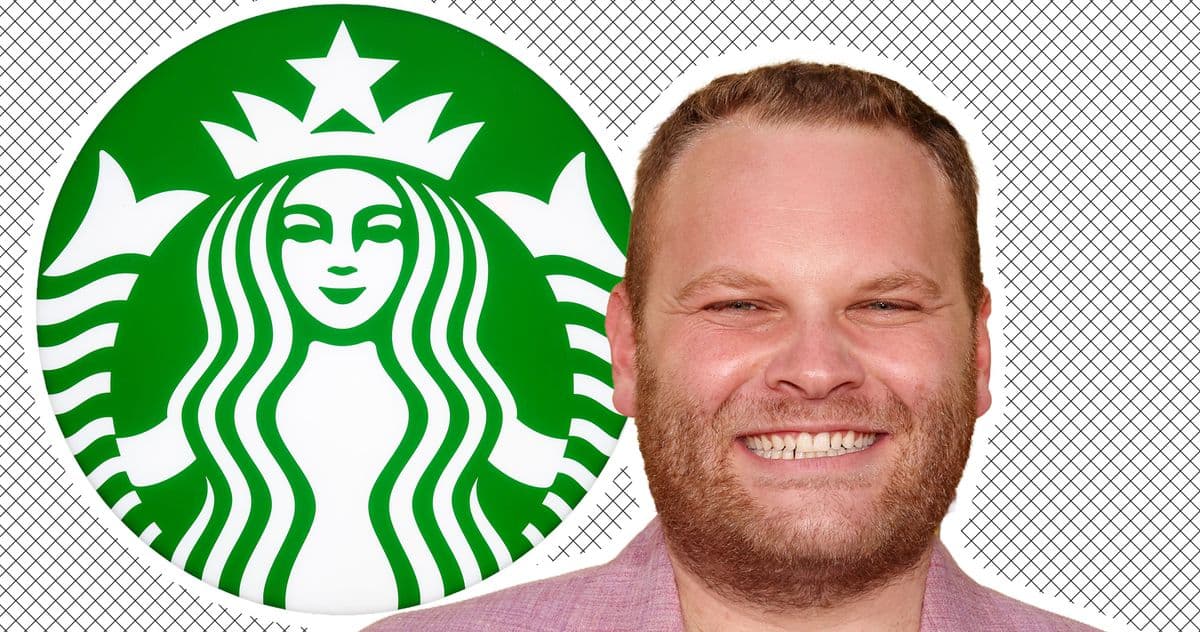
Bran Flakezz’s Fans Didn’t Love His Starbucks Coachella Spon-Con
Companies Mentioned
Why It Matters
The backlash reveals how brand partnerships can erode trust among politically engaged audiences, forcing influencers to balance revenue with credibility. It also pressures corporations like Starbucks to consider the reputational risk of aligning with outspoken creators.
Key Takeaways
- •Bran Flakezz received a free Coachella trip from Starbucks
- •Fans criticized him for supporting a union‑busting corporation
- •The backlash highlights tension between activist branding and paid promotions
- •Other influencers faced similar criticism for Starbucks Coachella collaborations
- •Edelman's silence may affect his credibility with politically engaged followers
Pulse Analysis
Influencer marketing has become a staple of festival culture, with brands leveraging the massive reach of creators to embed products into the Coachella experience. Companies pay for curated content that feels organic, while influencers gain access to exclusive events and audiences. This model, however, hinges on a delicate trust equation; when an influencer’s personal brand is built on political transparency, any perceived compromise can trigger swift backlash from a community that values authenticity above all.
Starbucks entered the controversy with a legacy of labor disputes, including high‑profile union‑busting lawsuits and boycotts tied to its handling of pro‑Palestine activism. By sponsoring an influencer known for outspoken progressive views, the coffee giant inadvertently spotlighted its own contradictions. Followers, already sensitive to corporate social responsibility, saw the partnership as tone‑deaf, amplifying criticism across TikTok and Reddit. The episode illustrates how a brand’s historical labor practices can resurface in unexpected marketing contexts, turning a promotional stunt into a reputational hazard.
For influencers, the episode serves as a cautionary tale about vetting brand alignments against audience expectations. While paid collaborations are essential revenue streams, missteps can erode long‑term credibility, especially when the influencer’s niche is activism or social commentary. Brands, too, must conduct deeper cultural audits before pairing with creators whose followers demand consistency between values and actions. As the influencer economy matures, the pressure to maintain authenticity will likely reshape sponsorship strategies, favoring partnerships that reinforce, rather than contradict, a creator’s public persona.
Bran Flakezz’s Fans Didn’t Love His Starbucks Coachella Spon-con
Comments
Want to join the conversation?
Loading comments...