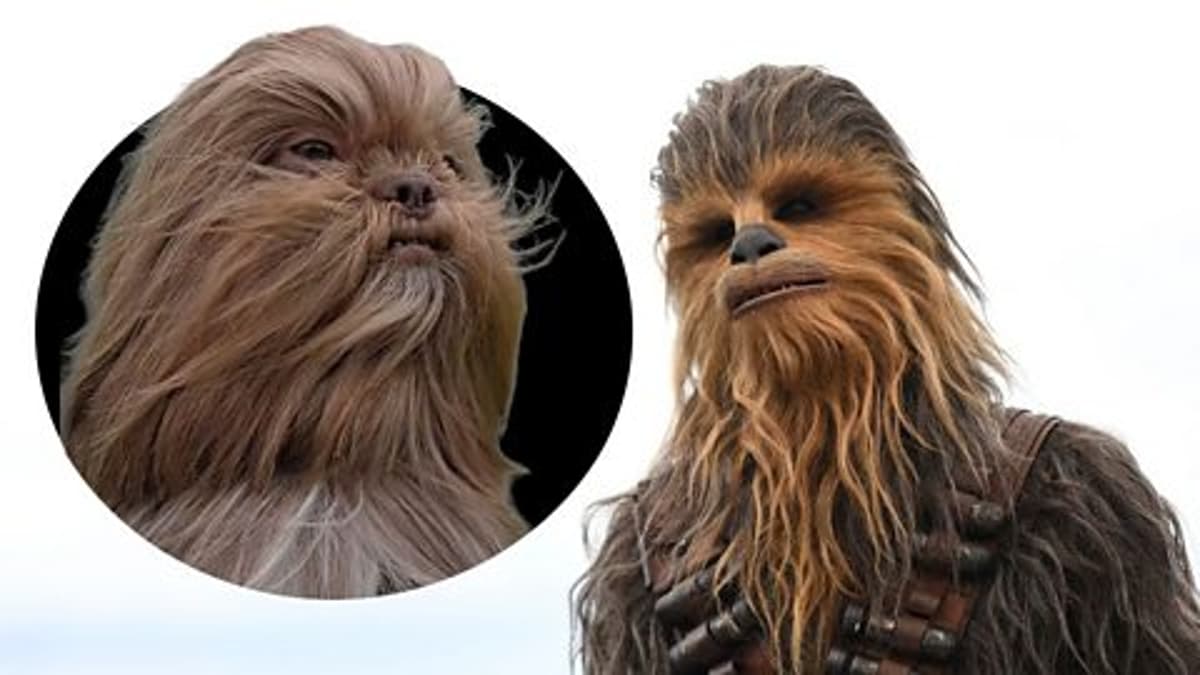
From Chewbacca the Dog to Ed Sheeran the Cat: Why Pet Lookalikes Go Viral
Why It Matters
Pet‑centric virality translates into multi‑million‑dollar advertising revenue, making authenticity a critical business issue for marketers and platforms alike.
Key Takeaways
- •George Cowboy amassed 200k Instagram followers, 40 M TikTok likes.
- •Ed Sheeran‑lookalike kitten reached 33 M TikTok views in 2023.
- •Nala the cat generated ≈$102 M from advertising deals.
- •Cute animal posts are twice as likely to be shared, study shows.
- •AI‑fabricated pet videos risk misinformation and harm conservation.
Pulse Analysis
The emergence of "petfluencers" reflects a broader shift in digital marketing, where personality‑driven accounts can command audiences comparable to traditional celebrities. George Cowboy’s Chewbacca‑like appearance and the Ed Sheeran‑lookalike kitten illustrate how novelty and pop‑culture tie‑ins accelerate follower growth and engagement rates. Brands are capitalizing on this trend, integrating pets into campaigns to tap into the emotional resonance that drives higher click‑through and conversion metrics, especially among younger demographics who spend significant time on Instagram and TikTok.
Psychologically, sharing cute animal content fulfills a social function researchers label "pebbling," where users exchange feel‑good media to reinforce relationships. A 2025 ESSEC study found that emotionally uplifting animal videos are twice as likely to be reshared, amplifying organic reach without paid promotion. This viral elasticity explains why accounts like Nala the cat have monetized their followings into over $100 million in advertising revenue, prompting marketers to allocate larger portions of media budgets toward pet‑centric influencer collaborations.
However, the proliferation of AI‑generated animal footage introduces a credibility risk. Deep‑fake videos can depict unrealistic behaviors, potentially misleading audiences and undermining conservation messaging. Industry watchdogs and platforms are therefore investing in detection tools and verification protocols to preserve trust. As authenticity becomes a differentiator, brands that partner with verified pet influencers and transparently disclose content origins will likely enjoy sustained engagement and avoid the reputational pitfalls associated with synthetic media.
From Chewbacca the dog to Ed Sheeran the cat: Why pet lookalikes go viral
Comments
Want to join the conversation?
Loading comments...