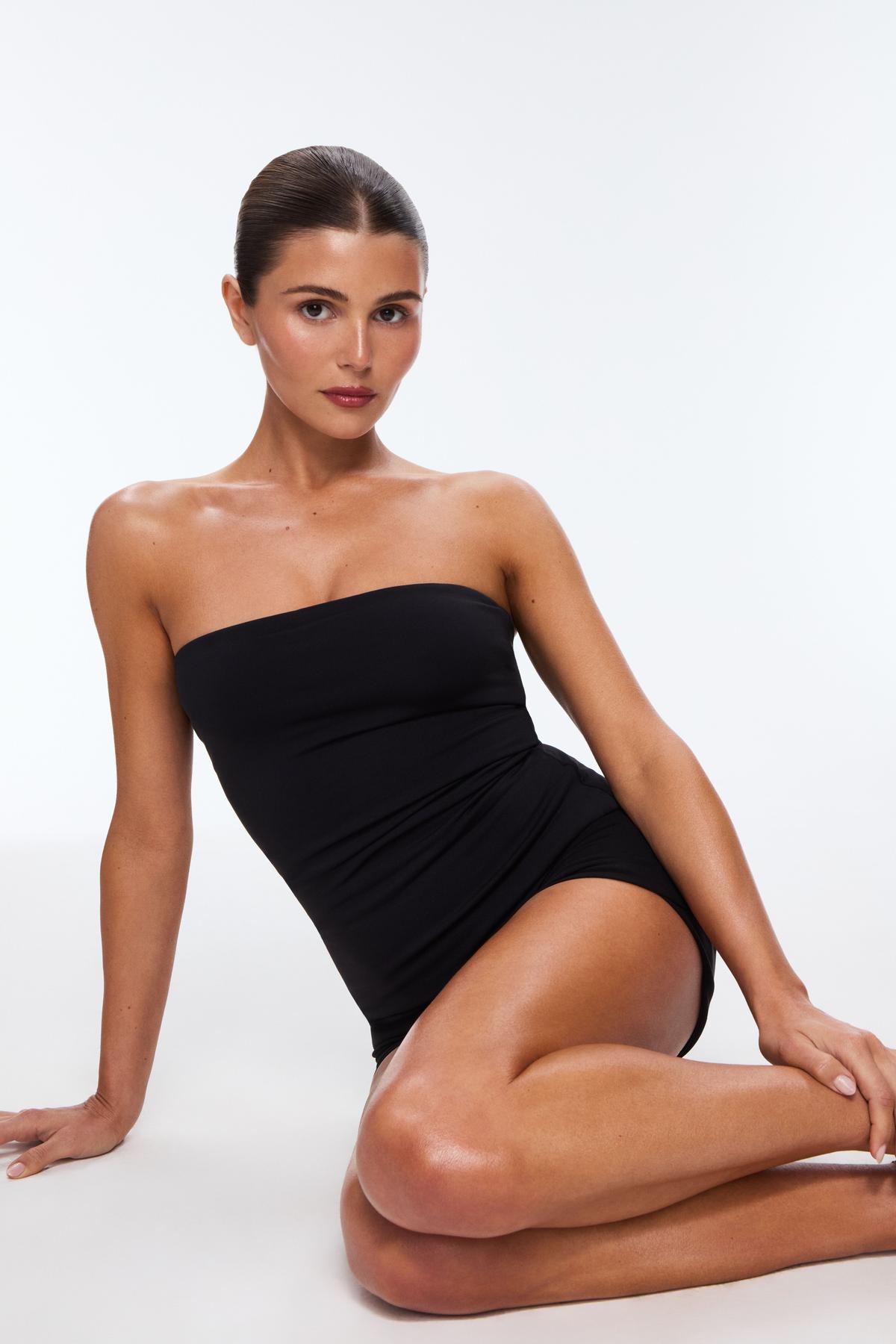
Olivia Jade Didn't Want to Just 'Slap Her Name' On Her Beauty Brand O.piccola
Companies Mentioned
Why It Matters
The debut shows how social‑media creators can transition into credible consumer‑goods brands, potentially reshaping the cosmetics market. Its emphasis on universal formulas and clean standards may pressure established players to prioritize inclusivity and transparency.
Key Takeaways
- •O.piccola's Bronze & Glow Balm took five years to develop.
- •Formula designed for all skin types, lasting from morning to night.
- •Produced in Korea, emphasizing Korean beauty and skincare standards.
- •Brand is cruelty‑free, clean, and self‑funded with no investors.
- •Olivia Jade leverages her YouTube community for product feedback.
Pulse Analysis
Olivia Jade, the former YouTube makeup guru whose family was embroiled in the 2019 college‑admissions scandal, is re‑entering the public eye with O.piccola, a cosmetics line that leans on her long‑standing “a little bit” mantra. The brand name, Italian for “little,” signals a minimalist philosophy: a small amount of product should deliver noticeable results. By positioning herself as a creator‑turned‑entrepreneur rather than a celebrity‑endorsed face, Jade hopes to distance the launch from the perception of a vanity project and to rebuild credibility among Gen‑Z and millennial followers who value authenticity.
The flagship Bronze & Glow Balm embodies five years of iterative testing, with Jade insisting on a formula that stays vibrant from sunrise to sunset while remaining lightweight and hydrating. Production takes place in a Seoul‑based factory, tapping into Korea’s reputation for high‑tech skincare and stringent quality controls. The balm is cruelty‑free, formulated without harsh additives, and meets Sephora’s clean‑beauty criteria, aiming for universal appeal across diverse skin tones and ages. By publicly sharing the development timeline and ingredient choices, O.piccola attempts to set a new benchmark for transparency in influencer‑driven cosmetics.
From a business perspective, O.piccola illustrates the growing viability of direct‑to‑consumer beauty brands built on personal platforms. Jade’s decision to self‑fund and forgo outside investors underscores a trend toward lean, founder‑controlled startups that can move quickly and retain full creative control. If the balm gains traction, it could encourage other digital creators to invest in rigorous product development rather than relying solely on brand licensing deals. Moreover, the emphasis on inclusive, long‑wearing formulas may push legacy manufacturers to broaden their shade ranges and adopt cleaner ingredient policies, reshaping consumer expectations across the cosmetics sector.
Olivia Jade Didn't Want to Just 'Slap Her Name' on Her Beauty Brand O.piccola
Comments
Want to join the conversation?
Loading comments...