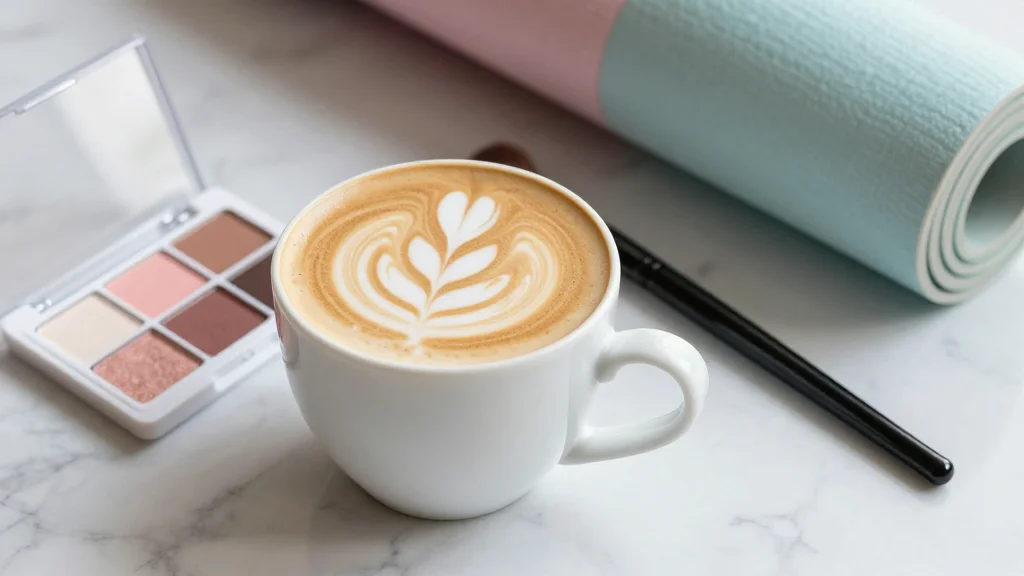
Rachel Huber Coined ‘Latte Makeup,’ Brands Turned It Into a Campaign Cycle
Companies Mentioned
Why It Matters
The case shows that naming a trend can dictate its market trajectory, yet creators often miss out on the commercial upside, prompting a reevaluation of influencer‑brand value exchange in the beauty sector.
Key Takeaways
- •Rachel Huber coined “latte makeup” and amassed 1.3M followers.
- •Naming trends makes them easily repeatable, driving rapid viral spread.
- •Brands monetize creator‑originated trends but often bypass the creator financially.
- •Inclusive, low‑effort looks like latte makeup stick longer than niche trends.
- •Rachel shifts to agency partnership to translate influence into brand strategy.
Pulse Analysis
The rise of "latte makeup" underscores a new engine of beauty innovation: creators who name and frame trends before brands can react. By attaching a relatable term to a subtle bronzy look, Huber turned an everyday aesthetic into a meme‑ready concept that TikTok amplified and mainstream media echoed. This linguistic shortcut makes the trend instantly reproducible, allowing audiences to adopt it without technical barriers, and signals to marketers that the next viral wave often begins with a single, well‑chosen word.
Brands are quick to latch onto creator‑driven buzz, yet Huber’s experience reveals a structural shortfall. While fellow influencers secured paid campaigns tied to the latte makeup wave, Huber saw little direct compensation, exposing a disconnect between idea generation and revenue sharing. Her recent partnership with Sephora’s Squad and The Gabriel Group reflects a strategic pivot: converting cultural capital into formal advisory roles and more equitable brand collaborations. This shift illustrates how the creator economy is maturing, demanding transparent value models that reward the originators of trend language.
Looking ahead, the beauty industry is likely to prioritize inclusive, low‑effort aesthetics that can be universally adopted, as they prove more durable than niche, high‑maintenance looks. Simultaneously, a bifurcation is emerging between luxury houses and affordable dupes, pressuring mid‑tier brands to innovate or risk obsolescence. As creators like Huber move toward deeper product‑development input—offering color theory and personalized recommendations—the market may see a transition from fleeting hacks to enduring, theory‑driven beauty solutions, reshaping how brands source inspiration and allocate spend.
Rachel Huber Coined ‘Latte Makeup,’ Brands Turned It Into a Campaign Cycle
Comments
Want to join the conversation?
Loading comments...