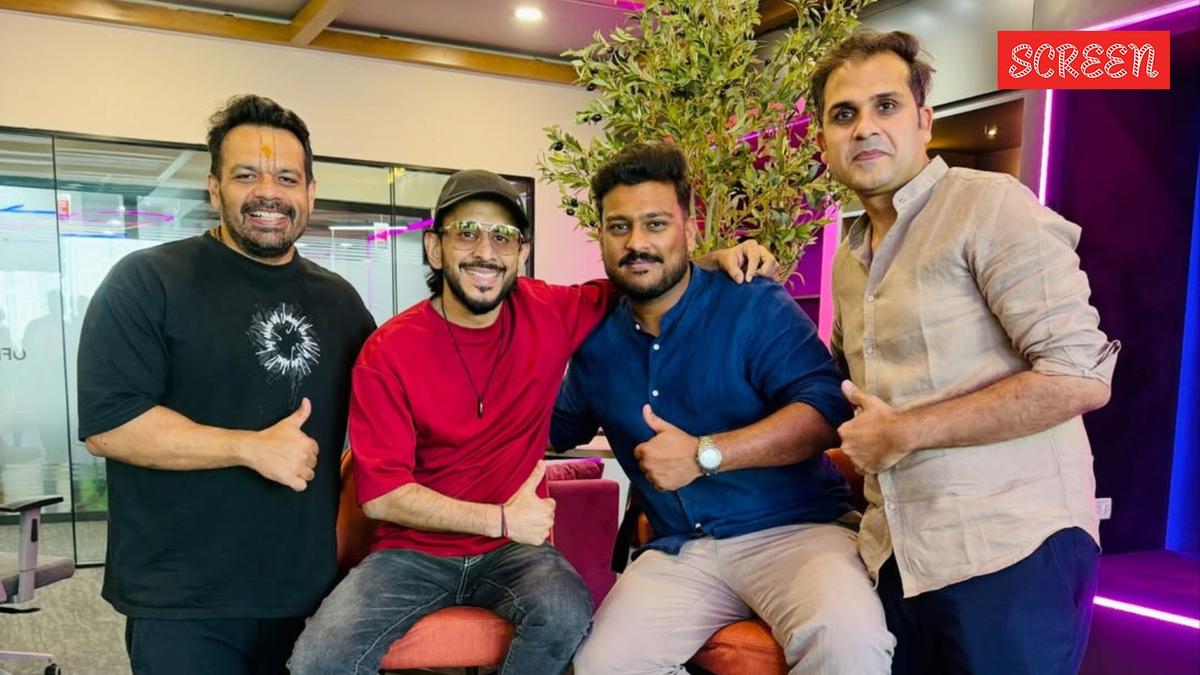
The Shark Tank India Rejection that Didn’t Last: Aman Gupta Backs Flying Beast’s Rosier Foods a Year Later
Companies Mentioned
Why It Matters
The turnaround shows that early‑stage rejections can be overcome and highlights the growing credibility of influencer‑led consumer brands in India’s startup ecosystem.
Key Takeaways
- •Shark Tank India rejected Beast Life despite a ₹1 crore ($120k) ask.
- •Aman Gupta invested in Rosier Foods, a honey and ghee brand.
- •Rosier Foods’ equity split gives Taneja 40% and Varun Alagh 30%.
- •Investor confidence shifted after Taneja proved multi‑venture execution.
- •Influencer credibility now translates into tangible venture funding.
Pulse Analysis
The rise of social‑media personalities turning into founders has reshaped India’s consumer market. While influencers bring massive audiences, investors have traditionally been wary of their operational depth. Shark Tank India’s 2025 episode underscored this tension when Gaurav Taneja’s Beast Life pitch was dismissed, largely because the panel questioned his commitment and the equity structure across multiple projects. The public rejection highlighted a broader skepticism: can a content creator deliver sustainable product growth?
A year later, the narrative shifted dramatically. Aman Gupta, who built the audio brand boAt into a billion‑rupee powerhouse, announced backing for Rosier Foods, Taneja’s honey and A2 ghee venture. Unlike the earlier pitch, Rosier Foods presented a clearer ownership split—Taneja holds 40%, Varun Alagh 30%, and the remaining stakes are distributed among co‑founders and ESOPs. This transparent structure, combined with early traction in premium dairy and honey segments, convinced Gupta that the business had a defensible moat and a founder with genuine skin in the game. The investment illustrates how a proven track record across ventures can outweigh earlier doubts about focus.
For the Indian startup ecosystem, the episode signals a maturing attitude toward influencer‑entrepreneurs. Capital providers are beginning to assess these founders on unit economics, supply‑chain robustness, and equity alignment rather than solely on follower counts. As more creators diversify into tangible consumer goods, we can expect a rise in hybrid funding models where strategic investors like Gupta provide not just capital but brand‑building expertise. This evolution could accelerate the entry of high‑margin, niche products into mainstream retail, reshaping competition for traditional FMCG players.
The Shark Tank India rejection that didn’t last: Aman Gupta backs Flying Beast’s Rosier Foods a year later
Comments
Want to join the conversation?
Loading comments...