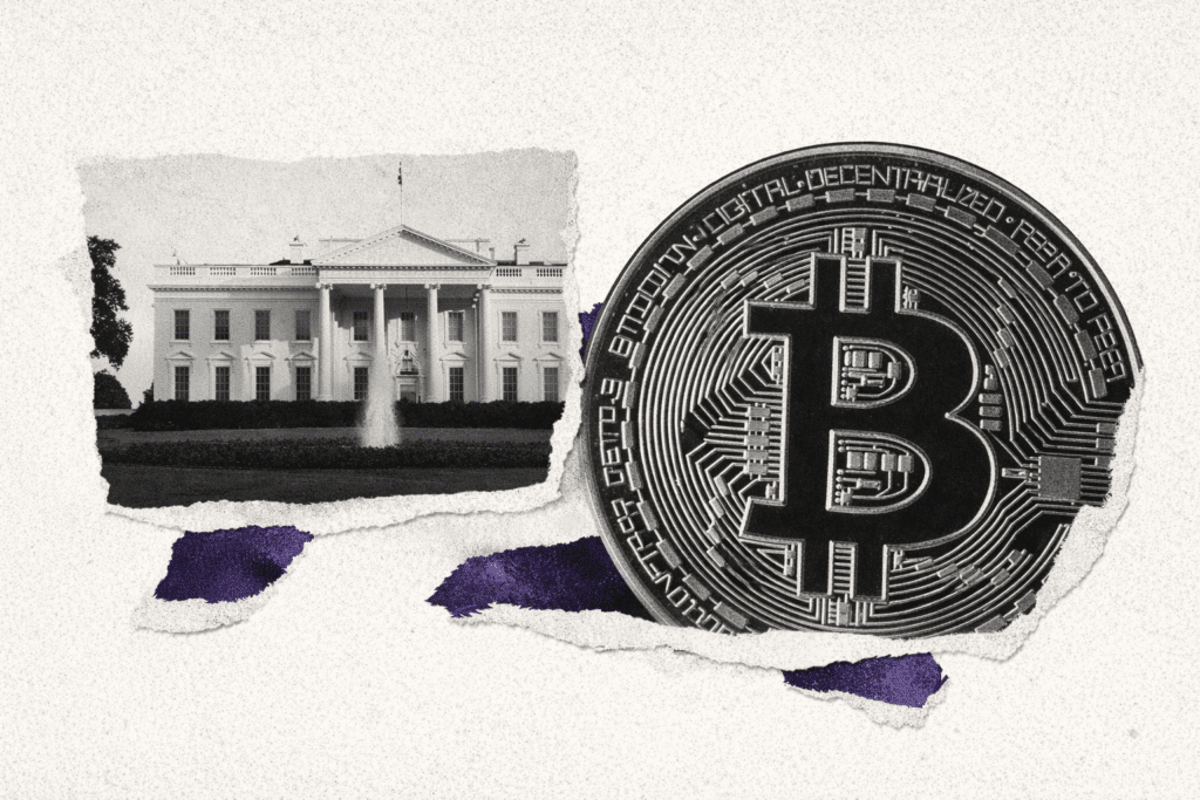
Bitcoin Dips Below $65,000 as Tariff Uncertainty Weighs on Risk
•February 23, 2026
0
Why It Matters
The price dip underscores waning risk appetite and mounting pressure on institutional crypto exposure, which could reverberate through broader financial markets. Continued outflows and liquidations suggest the current drawdown may be entering its later stages rather than a brief correction.
Key Takeaways
- •Bitcoin dips below $65k amid U.S. tariff uncertainty
- •Crypto market loses $100B in 24 hours
- •Spot Bitcoin ETFs see $3.8B outflows over five weeks
- •$230M long positions liquidated during Asian session
- •Volatility moderates, put skew less extreme
Pulse Analysis
Tariff policy debates in Washington have resurfaced as a hidden catalyst for crypto volatility, even without a single headline‑driven sell‑off. When investors weigh the prospect of higher import duties, the broader risk‑on environment contracts, prompting a flight to safety that often drags Bitcoin lower. This dynamic explains why Bitcoin briefly breached the $65,000 threshold, as market participants recalibrated exposure to geopolitical risk and its downstream effects on global liquidity.
Institutional sentiment is crystallizing through persistent outflows from U.S. spot Bitcoin exchange‑traded funds. Over the past five weeks, investors have withdrawn roughly $3.8 billion, a clear signal that large‑scale capital is retreating from crypto assets amid macro uncertainty. Coupled with a $100 billion erosion in total crypto market capitalization, the data points to a broader de‑risking cycle. For fund managers and corporate treasuries, the trend signals a need to reassess allocation models, especially as traditional assets regain relative appeal.
On the technical front, the market’s volatility profile is evolving. While $230 million in long liquidations during the Asian session indicate still‑significant short‑term pressure, the intensity of price swings has softened compared with earlier peaks. Options markets reveal a put‑biased skew that is less stretched, suggesting traders anticipate further downside but with reduced panic. Analysts therefore view the current drawdown as potentially entering its later innings, where price corrections may become more measured rather than abrupt, offering a nuanced outlook for both retail and institutional participants.
Bitcoin Dips Below $65,000 as Tariff Uncertainty Weighs on Risk
0
Comments
Want to join the conversation?
Loading comments...