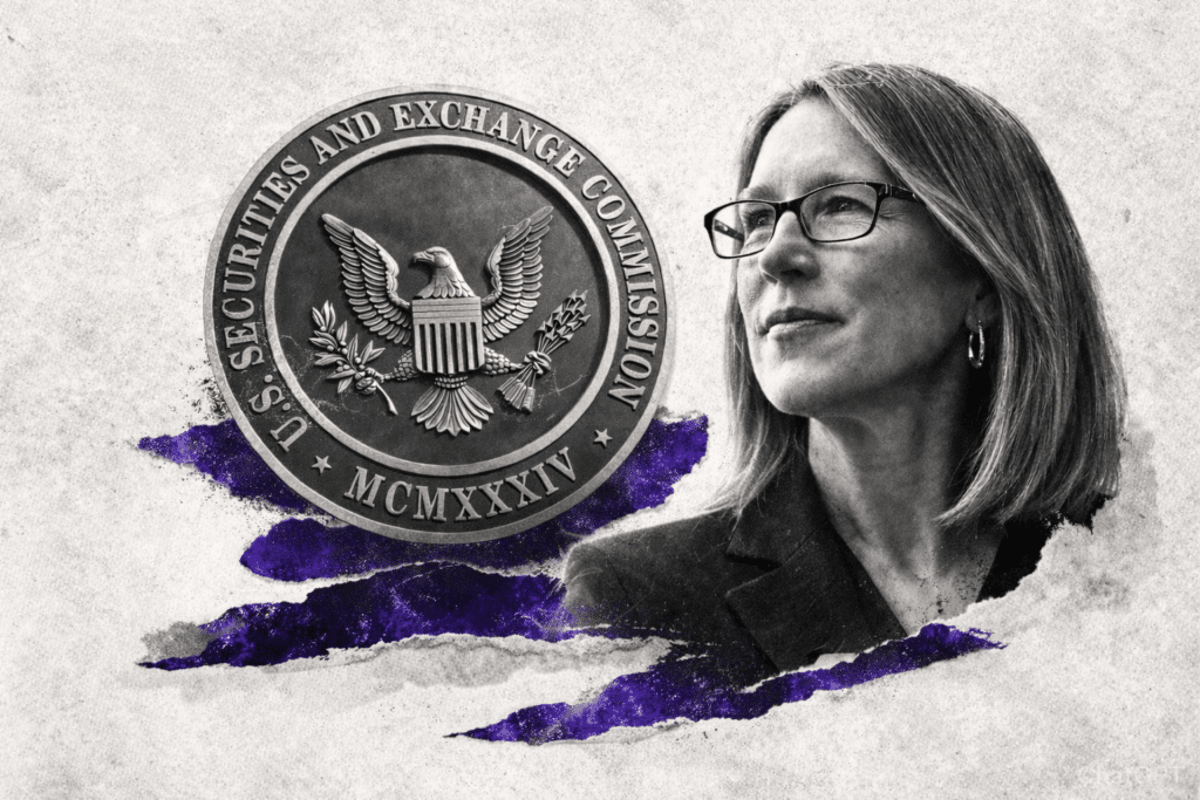
SEC Quietly Eases Capital Rules for Stablecoins
•February 23, 2026
0
Why It Matters
The lower haircut makes stablecoins a viable liquidity tool for broker‑dealers, potentially accelerating crypto‑related services and tokenized market growth.
Key Takeaways
- •SEC permits 2% haircut on stablecoin holdings.
- •Prior practice applied 100% haircut, excluding stablecoins from capital.
- •New treatment aligns stablecoins with money‑market fund risk.
- •Broker‑dealers can use stablecoins as working capital.
- •May accelerate tokenized securities and broader crypto services.
Pulse Analysis
The SEC’s recent guidance marks a subtle yet pivotal shift in how stablecoins are treated under capital adequacy rules. By allowing a modest 2% haircut, the regulator signals that payment stablecoins carry risk profiles comparable to cash equivalents and Treasury‑backed money‑market funds. This contrasts sharply with the earlier de‑facto 100% haircut, which forced firms to discount stablecoins entirely, limiting their inclusion in net capital calculations and discouraging broader adoption on regulated balance sheets.
For broker‑dealers, the change translates into tangible operational flexibility. Stablecoins can now be counted as near‑cash assets, freeing up capital that was previously tied up or written off. This additional liquidity can be deployed to fund tokenized securities offerings, support custodial services, or facilitate settlement on blockchain rails. The reduced capital drag improves profitability margins for firms eyeing crypto expansion, and it may encourage new entrants to explore tokenized market infrastructure without the heavy capital constraints that previously dominated the landscape.
Beyond individual firms, the guidance could catalyze a broader market realignment. As stablecoins gain parity with traditional short‑term instruments, investors may view them as a legitimate bridge between fiat and digital assets, spurring demand for crypto‑linked products. Moreover, the SEC’s measured approach may set a precedent for other regulators worldwide, fostering a more harmonized global framework for digital asset capital treatment. In the long run, this could accelerate the integration of blockchain‑based settlement mechanisms into mainstream finance, reshaping liquidity management across the industry.
SEC Quietly Eases Capital Rules for Stablecoins
0
Comments
Want to join the conversation?
Loading comments...