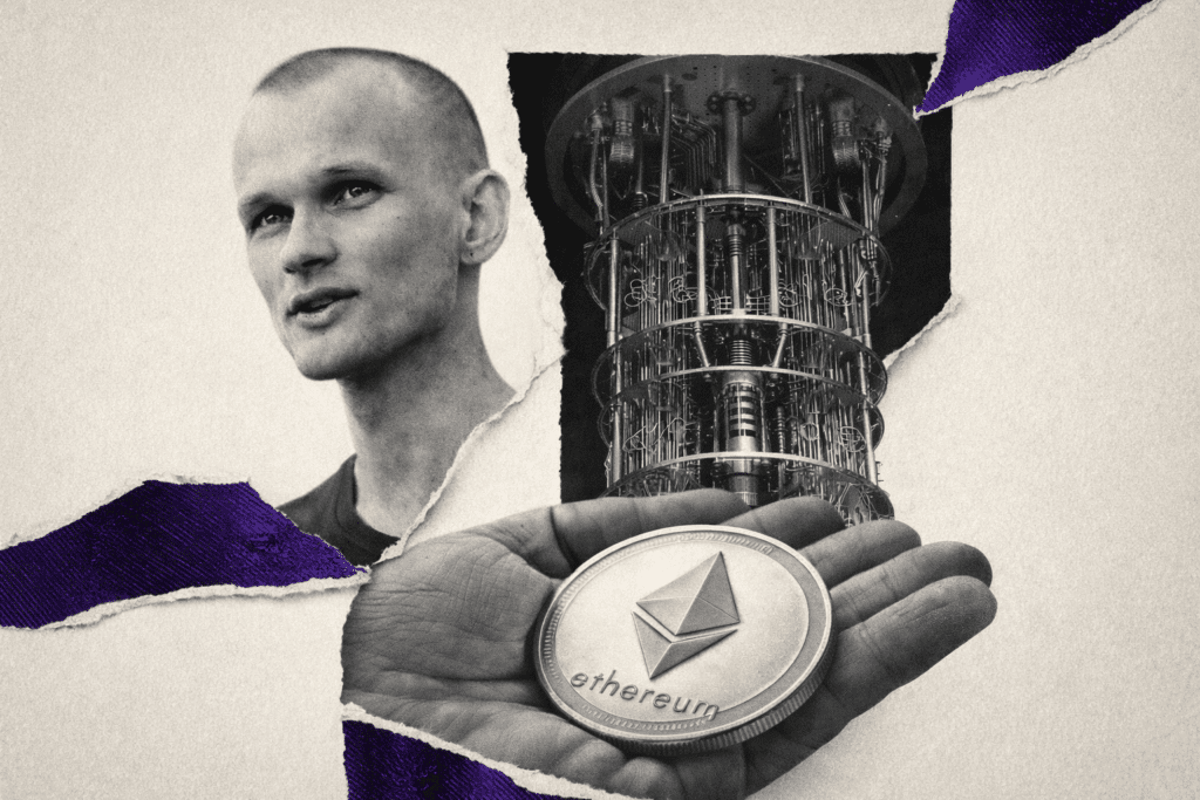
Vitalik Buterin Lays Out Quantum Defense Plan for Ethereum

Key Takeaways
- •Ethereum's signature scheme vulnerable to quantum attacks
- •Hash‑based signatures proposed as quantum‑resistant alternative
- •Flexible accounts enable future algorithm upgrades
- •Hegota upgrade may introduce changes as early as 2024
- •Post‑quantum research team accelerates development
Pulse Analysis
The specter of quantum computers breaking today’s cryptographic primitives has moved from theoretical to practical concern for blockchain platforms. Ethereum, handling billions in value, is especially exposed because its consensus relies on elliptic‑curve signatures that quantum algorithms could eventually reverse. By proactively mapping out vulnerabilities—from validator attestations to zero‑knowledge proof systems—the Ethereum Foundation signals that it treats quantum risk as a strategic priority rather than a distant threat.
Buterin’s roadmap centers on adopting hash‑based signature schemes, such as XMSS or SPHINCS+, which are believed to resist quantum attacks due to their reliance on one‑way hash functions. Coupled with a flexible account architecture, developers can later swap in newer post‑quantum algorithms without hard forks. The proposed Hegota upgrade, slated for discussion this year, could serve as a testbed for these changes, allowing the network to transition incrementally while monitoring performance and security impacts. This phased approach mitigates the massive engineering effort required for a wholesale cryptographic overhaul.
Industry observers see Ethereum’s quantum‑defense initiative as a bellwether for the rest of the crypto sector. A successful migration would set a de‑facto standard, encouraging other protocols to adopt similar safeguards before quantum capabilities become mainstream. However, challenges remain: ensuring compatibility with existing smart contracts, preserving gas efficiency, and managing the added computational overhead. The Ethereum Foundation’s dedicated research team and accelerated funding underscore the urgency, positioning the network to maintain its dominance even as quantum technology evolves.
Vitalik Buterin Lays Out Quantum Defense Plan for Ethereum
Comments
Want to join the conversation?