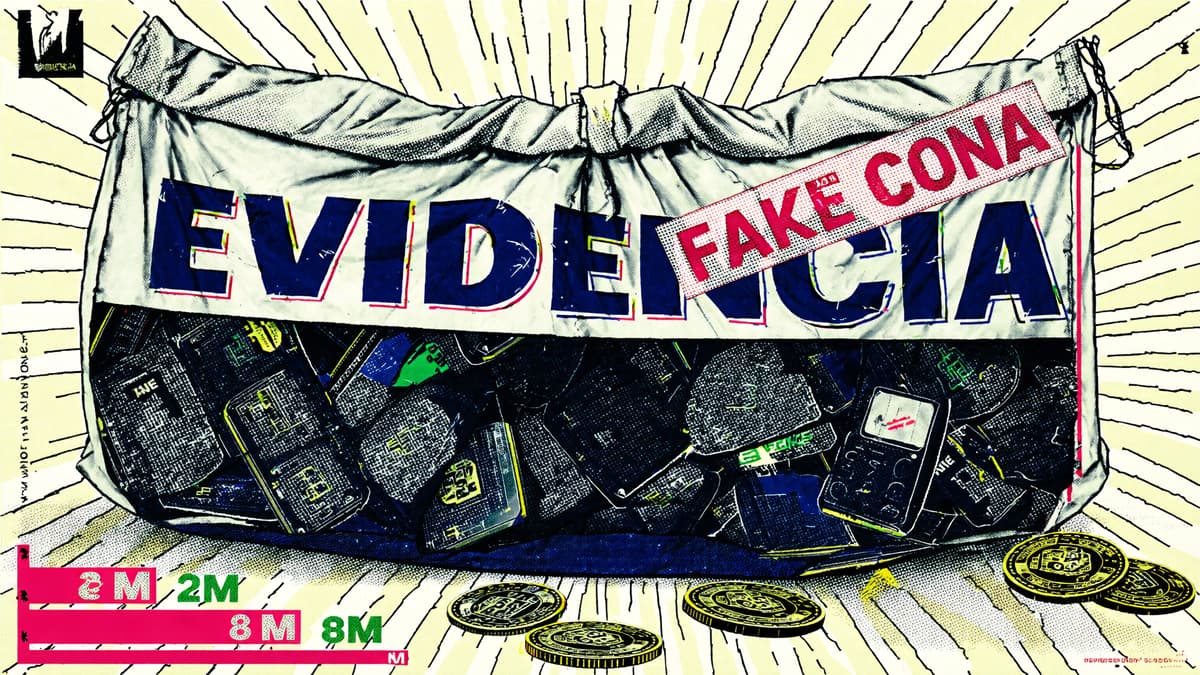
Argentine Prosecutors Arrest 24, Seize Over $8M in USDT in 'Fake Coins' Crypto-Fraud Sweep
Companies Mentioned
Why It Matters
The seizure demonstrates Argentina’s growing capacity to combat sophisticated crypto‑fraud, while exposing regulatory gaps that could affect investor confidence and the nation’s emerging digital‑asset ecosystem.
Key Takeaways
- •24 arrests made across three coordinated crypto‑fraud rings
- •Authorities seized over 8 million USDT, about $8 million
- •Nearly 60 million pesos (~$48k) cash and 80 phones confiscated
- •Fraud damage estimated at 3 billion pesos (~$2.4 million)
- •Case highlights gaps in Argentina’s crypto licensing and enforcement
Pulse Analysis
The Buenos Aires Public Prosecutor’s Office launched an unprecedented crackdown on crypto‑related crime, coordinating 90 simultaneous raids that resulted in 24 arrests and the freezing of more than 8 million USDT. By targeting three separate fraud networks— a fake trading app distributed via Google Play, a WhatsApp hijacking operation that funneled stolen pesos into Binance’s peer‑to‑peer marketplace, and a Chinese‑origin infostealer syndicate—authorities seized roughly $8 million in digital assets, $48,000 in cash, and dozens of devices. The operation not only marks the province’s largest crypto seizure to date but also surpasses the $2 million confiscated in the 2024 RainbowEx case, signaling a decisive shift toward more aggressive enforcement.
Each of the three rings exploited distinct vulnerabilities in the Argentine crypto ecosystem. The fake trading app lured retail investors with a veneer of legitimacy, while unregistered “financial advisers” guided victims through escalating USDT transfers. The WhatsApp hijackers leveraged disposable phone numbers to impersonate contacts, converting stolen pesos into USDT via Binance Pay accounts linked to Venezuela. Meanwhile, the infostealer group deployed malware to harvest credentials, enabling large‑scale on‑chain laundering. The involvement of Binance’s P2P platform, though not confirmed as a cooperating partner, highlights how mainstream crypto services can be weaponized by illicit actors, raising questions about due‑diligence and transaction monitoring.
Beyond the immediate arrests, the bust exposes systemic weaknesses in Argentina’s regulatory framework. Although the CNV introduced a licensing regime for virtual‑asset service providers in 2025, the prevalence of unregistered advisers and cross‑border laundering channels shows enforcement is still catching up. The fate of the seized USDT—whether it will fund victim restitution or bolster provincial coffers—will test the nascent legal infrastructure and set precedents for future crypto‑asset cases in Latin America. Stakeholders are watching closely, as stronger oversight could both protect investors and shape the region’s competitive position in the global digital‑currency market.
Argentine Prosecutors Arrest 24, Seize Over $8M in USDT in 'Fake Coins' Crypto-Fraud Sweep
Comments
Want to join the conversation?
Loading comments...