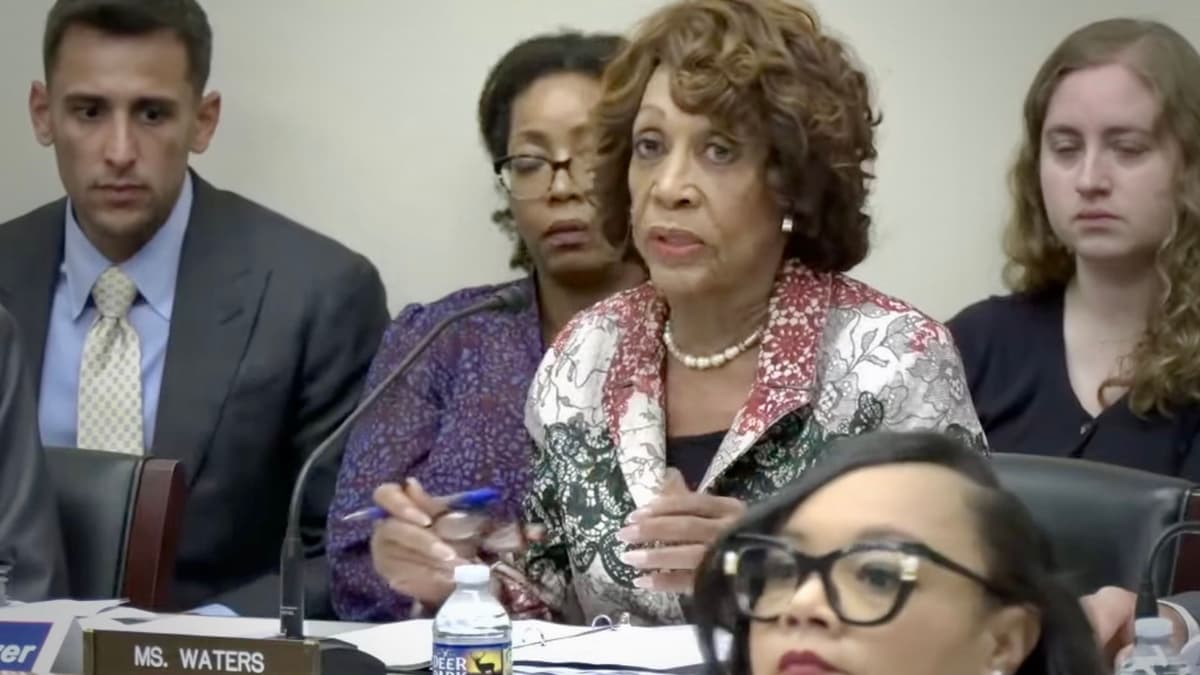
As Democrats Gain in Odds to Take U.S. House, Waters Bashes SEC Chair on Crypto
•December 29, 2025
0
Companies Mentioned


Why It Matters
The clash underscores how congressional oversight could reshape crypto regulation, influencing market stability and investor protection.
Key Takeaways
- •Waters demands Atkins testify on dropped crypto cases.
- •SEC dismissed actions against Coinbase, Binance, Justin Sun.
- •Democrats hold 75% odds to win 2026 House.
- •Critics say SEC bypassed formal rulemaking processes.
- •Potential oversight could revive enforcement against crypto firms.
Pulse Analysis
The upcoming 2026 House elections have turned crypto regulation into a partisan flashpoint. With Democrats projected to capture a decisive majority, Representative Maxine Waters is poised to steer the Financial Services Committee, giving her a powerful platform to interrogate the SEC’s agenda. Her recent letter, which calls for Chairman Paul Atkins to appear before the panel, reflects a broader Democratic push to reassert congressional authority over a regulator perceived as aligning too closely with the Trump administration’s pro‑crypto stance. This political backdrop heightens the stakes for any policy shifts affecting digital‑asset markets.
Since his confirmation, Atkins has overseen a dramatic rollback of the SEC’s crypto enforcement portfolio, abruptly ending cases against industry giants such as Coinbase and Binance and halting investigations into figures like Justin Sun. Critics, including Waters, contend that these dismissals were negotiated behind closed doors, circumventing the Administrative Procedure Act’s public‑comment requirements. By opting for staff statements over formal rulemaking, the SEC has left market participants uncertain about compliance expectations, potentially emboldening fraudulent schemes and eroding investor confidence.
If Waters secures a hearing, the committee could compel the SEC to justify its case‑closing decisions and restore a more transparent enforcement framework. Legislative initiatives may follow, ranging from tighter disclosure mandates to renewed authority for the committee to oversee crypto‑related rulemaking. For exchanges, custodians, and investors, heightened oversight could mean clearer regulatory guidance but also the prospect of renewed enforcement actions. Ultimately, the outcome will shape the United States’ competitive position in the global digital‑asset ecosystem, balancing innovation with the need for robust consumer protection.
As Democrats gain in odds to take U.S. House, Waters bashes SEC chair on crypto
0
Comments
Want to join the conversation?
Loading comments...