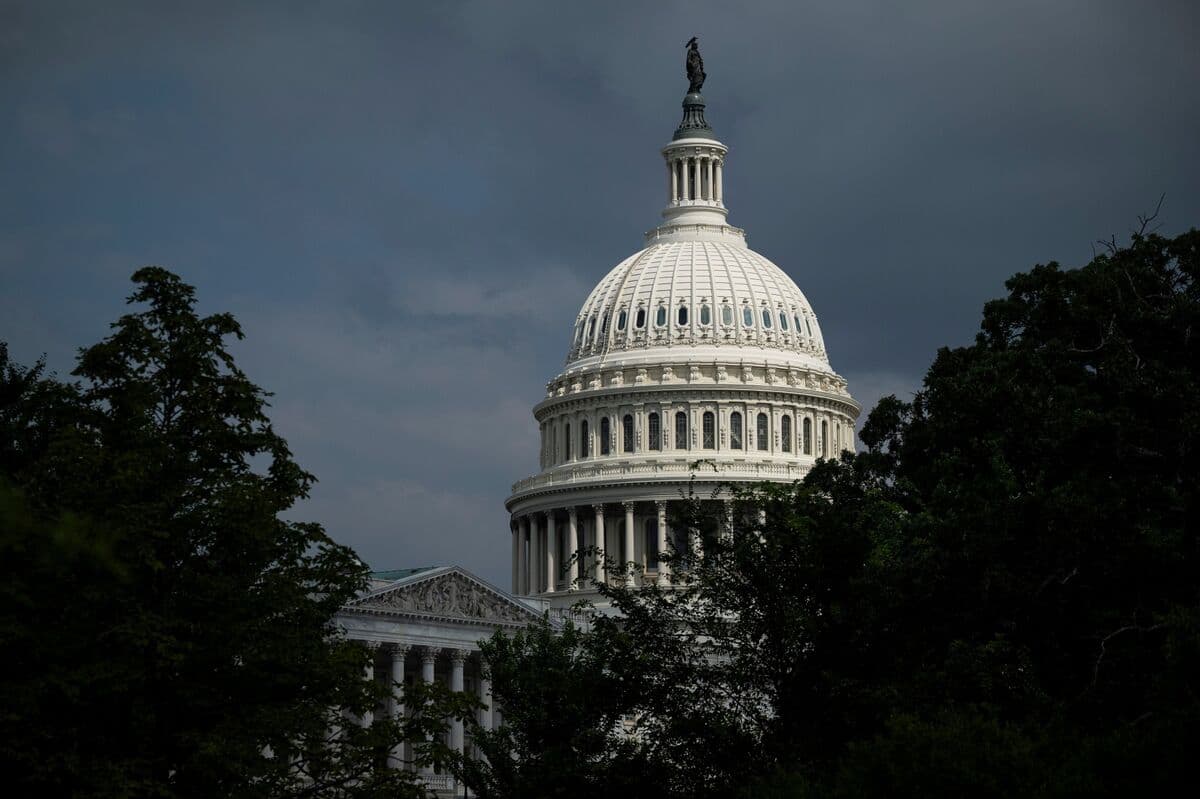
Banks and Crypto Backers Tussle as Senators Eye Landmark Digital Asset Bill
Why It Matters
The outcome will shape U.S. stablecoin rules, influencing billions in crypto market activity and banking risk exposure. Clear rules could boost investor confidence and foster industry collaboration.
Key Takeaways
- •Banking groups propose last‑minute stablecoin yield adjustments
- •Senators Tillis and Alsobrooks' compromise underpins the bill
- •Senate panel's decision could set U.S. stablecoin rules
- •Changes aim to reconcile crypto demands with banks' risk concerns
- •Potential approval would provide regulatory clarity for digital assets
Pulse Analysis
The United States has been chasing a comprehensive digital‑asset regulatory framework for years, and the latest Senate‑led bill represents the most ambitious effort yet. Lawmakers seek to address the rapid growth of stablecoins—cryptocurrencies pegged to fiat currencies—by establishing clear definitions, capital requirements, and consumer protections. The legislation builds on earlier bipartisan attempts, notably the Tillis‑Alsobrooks compromise that linked stablecoin reward structures to traditional banking safeguards, aiming to bridge the divide between fintech innovators and legacy financial institutions.
Stablecoin yield mechanisms have become a flashpoint because they blend crypto‑style incentives with banking‑style risk management. Banking groups argue that excessive rewards could destabilize the broader financial system, while crypto firms contend that competitive yields are essential for market liquidity. The last‑minute proposal from banking associations seeks to modestly lower reward rates and introduce tiered caps tied to reserve adequacy. By tweaking the original compromise, they hope to preserve the bill’s bipartisan momentum while addressing lingering concerns about systemic risk and regulatory arbitrage.
If the Senate panel embraces the revised compromise, the bill could set a global benchmark for stablecoin oversight, prompting other jurisdictions to follow suit. Clear U.S. rules would likely spur institutional adoption, as banks and asset managers gain confidence in the compliance landscape. Conversely, a stalled or watered‑down version could push crypto activity offshore, fragmenting markets and complicating enforcement. Stakeholders across finance, technology, and policy circles are watching closely, recognizing that the legislation’s fate will reverberate through the broader digital‑asset ecosystem.
Banks and Crypto Backers Tussle as Senators Eye Landmark Digital Asset Bill
Comments
Want to join the conversation?
Loading comments...