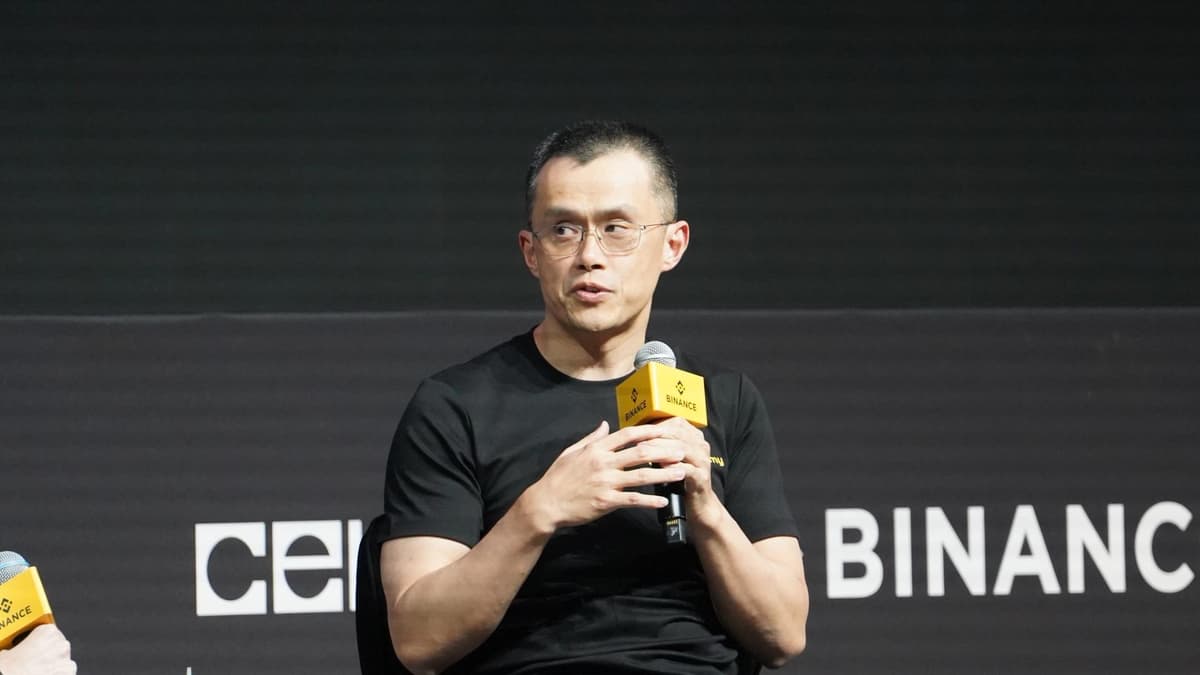
Binance Co-Founder Zhao in Talks with ‘Probably a Dozen’ Governments on Asset Tokenization
•January 22, 2026
0
Companies Mentioned


Why It Matters
Fractional asset tokenization could create a new sovereign financing channel, reshaping public‑sector funding and expanding crypto’s institutional foothold. It signals heightened government interest in blockchain‑based capital markets.
Key Takeaways
- •Zhao discussing tokenization with ~12 governments
- •Tokenization enables fractional state asset sales
- •Potential funding source for infrastructure projects
- •Prior talks include Pakistan, Malaysia, Kyrgyzstan
- •AI agents may use crypto for payments
Pulse Analysis
The push toward asset tokenization reflects a growing appetite among governments to tap blockchain technology for fiscal innovation. By converting physical assets into tradable digital tokens, states can attract a broader investor base, including retail participants, while retaining control over the underlying resource. This model mirrors earlier sovereign wealth fund listings but adds liquidity and transparency, potentially accelerating capital inflows for critical projects such as highways, ports, or renewable energy farms. Binance’s involvement lends credibility and technical expertise, positioning the exchange as a bridge between regulators and the decentralized finance ecosystem.
However, the path to widespread adoption is fraught with regulatory and operational challenges. Jurisdictions must craft clear legal frameworks to define token ownership rights, tax treatment, and investor protection. Kyrgyzstan’s recent stablecoin launch, backed by gold reserves, illustrates both the promise and the complexities of sovereign digital assets. Concerns over market volatility, anti‑money‑laundering compliance, and the need for robust custodial infrastructure could slow momentum, especially in economies with limited blockchain experience. Successful pilots will likely require public‑private partnerships that balance innovation with prudential oversight.
Looking ahead, Zhao’s vision of cryptocurrencies powering AI agents adds another layer to the narrative. As autonomous software increasingly conducts transactions on behalf of users, a universal, programmable currency could streamline cross‑border payments and reduce friction. This convergence could drive demand for tokenized assets, as AI‑driven investment strategies seek diversified, token‑based portfolios. For investors and policymakers alike, the emerging intersection of sovereign tokenization, AI, and crypto payments signals a transformative shift in how value is created, transferred, and managed on a global scale.
Binance co-founder Zhao in talks with ‘probably a dozen’ governments on asset tokenization
0
Comments
Want to join the conversation?
Loading comments...