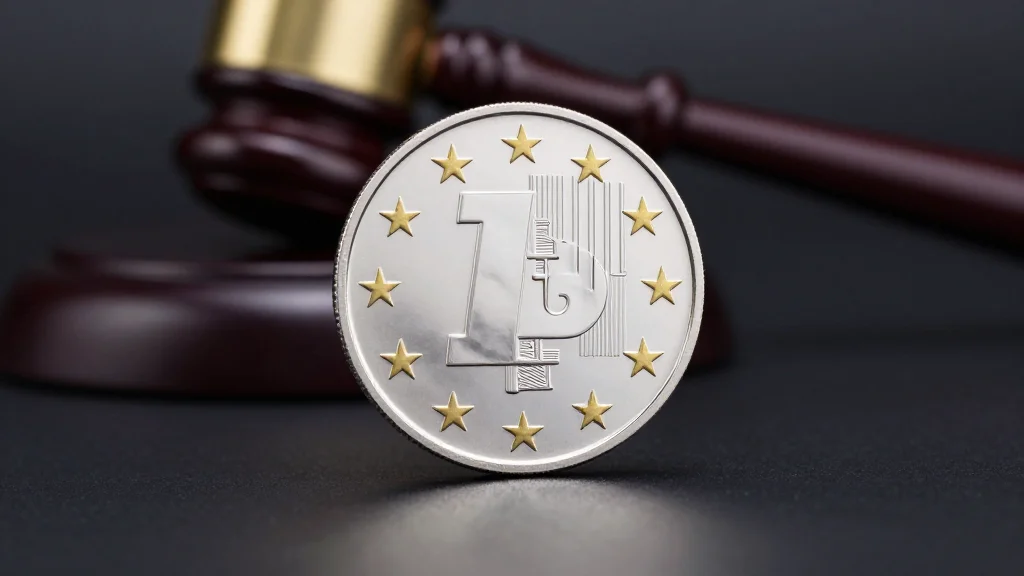
Binance Set To Lose Permission To Operate In EU

Companies Mentioned
Why It Matters
Losing EU access curtails Binance’s market reach and signals heightened regulatory pressure on global crypto exchanges, potentially reshaping competitive dynamics in the digital‑asset space.
Key Takeaways
- •Greek regulator rejects Binance's MiCA licence application
- •Without approval, Binance cannot passport services across 27 EU nations
- •MiCA licensing deadline was end‑June 2024
- •Binance pledges orderly process to minimize user disruption
Pulse Analysis
The EU's Markets in Crypto‑Assets Regulation (MiCA) represents the first comprehensive framework to bring crypto firms under a unified supervisory regime. Effective July 1, 2024, firms must hold a licence from any member state, which then serves as a passport to operate across the 27‑nation bloc. The deadline for applications was the end of June, and regulators have been scrutinising each submission for anti‑money‑laundering safeguards, consumer protection measures, and governance standards. Greece’s Hellenic Capital Market Commission, acting as the first point of contact for Binance, has now signaled a rejection, putting the exchange at odds with the new rules.
Binance, the world’s largest crypto exchange with roughly 300 million users, has spent 18 months negotiating with EU authorities and asserted that its application met all MiCA criteria. The Greek decision, however, means the platform will lose its “passport” and be barred from offering services to European retail and institutional clients unless it secures a licence elsewhere. In a brief X post, Binance promised an “orderly process” to limit disruption, but the lack of a clear timeline raises concerns over asset withdrawals, trading halts, and potential legal challenges from users seeking restitution.
The setback underscores the tightening regulatory tide confronting the broader crypto industry. As the EU moves to standardise oversight, other exchanges are racing to obtain their own MiCA licences, while smaller platforms risk being squeezed out of a market worth several trillion dollars in crypto assets. Analysts predict that firms unable to comply may pivot to jurisdictions with looser rules, potentially fragmenting liquidity and prompting a shift in global trading hubs. For investors, the episode highlights the importance of regulatory risk assessment when allocating capital to digital‑asset providers.
Binance Set To Lose Permission To Operate In EU
Comments
Want to join the conversation?
Loading comments...