Brazilian Gang Raid Reveals a New Crypto-Crime Model: Turning Stolen Power Into Digital Money
Companies Mentioned
Why It Matters
The operation shows that organized crime can monetize power theft by producing cryptocurrency, creating a low‑cost, high‑value illicit revenue channel that challenges traditional law‑enforcement focus on cash and drugs.
Key Takeaways
- •30 mining rigs used 45 kW, saving $6.4k monthly electricity
- •Stolen power enables crypto mining with near‑zero operating cost
- •Rio gang’s model mirrors global illegal mining, e.g., Malaysia’s $1 bn loss
- •Territorial control lets organized crime convert utility theft into digital assets
- •Authorities seized the farm, highlighting need to monitor grids alongside blockchains
Pulse Analysis
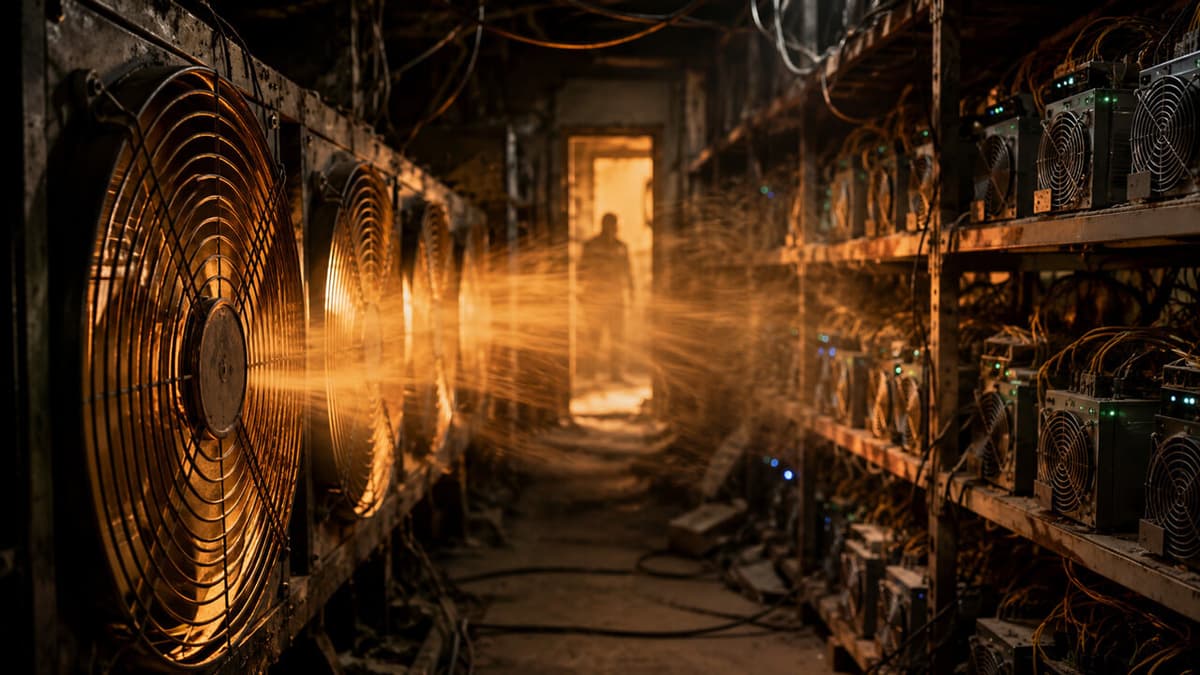
The Rio de Janeiro raid exposed a rudimentary yet sophisticated crypto‑mining operation hidden behind an illegal power tap. By hijacking a utility pole, the gang avoided roughly $6,400 in monthly electricity bills, turning a basic commodity into a profit‑center without the usual overheads that constrain legitimate miners. The hardware—standard high‑capacity fans and remote‑monitoring rigs—suggests the setup could be scaled quickly, using off‑the‑shelf components to generate portable digital assets that are difficult to trace.
Brazil’s organized‑crime landscape has long leveraged territorial dominance to control services, from ride‑hailing apps to illegal gold extraction. The new mining model adds cryptocurrency to that portfolio, echoing similar schemes in Malaysia where illegal miners cost the national grid over $1 billion. With Brazil’s power‑theft losses estimated at $2 billion in 2024, the financial incentive for gangs to repurpose stolen electricity is substantial. Law‑enforcement agencies are already grappling with a surge in crypto‑related seizures—$14 million in 2025 alone—highlighting a shift from traditional drug proceeds to digital cash flows.
For regulators, the case underscores the need to integrate grid surveillance with blockchain analytics. Monitoring anomalous power draws in gang‑controlled neighborhoods could provide early warnings of illicit mining activity, while blockchain tracing can link mined coins to criminal networks. As criminal groups refine this low‑cost production model, coordinated efforts between utilities, cyber‑crime units, and financial watchdogs will be essential to disrupt a revenue stream that blurs the line between physical and digital crime.
Brazilian gang raid reveals a new crypto-crime model: turning stolen power into digital money
Comments
Want to join the conversation?
Loading comments...