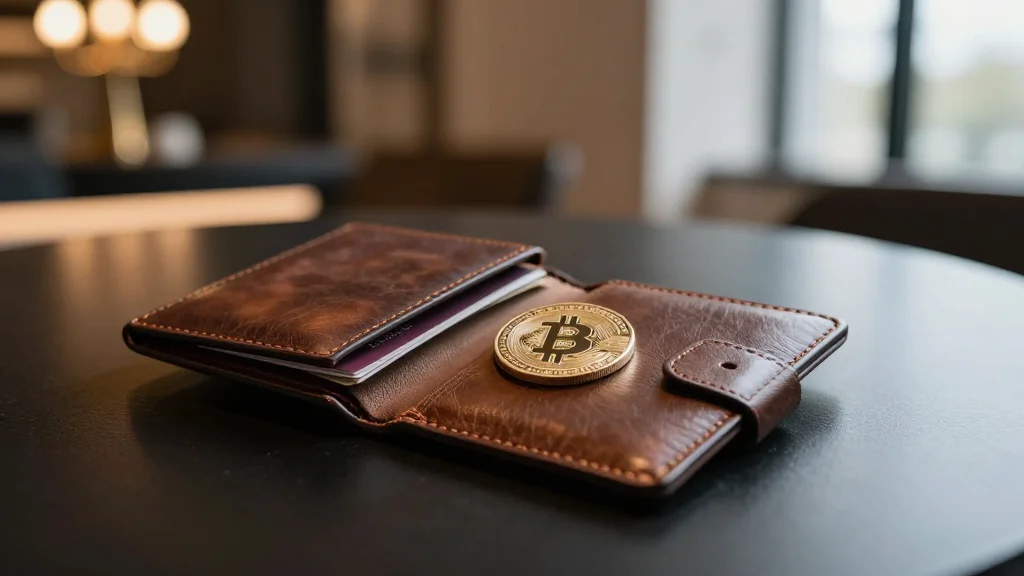
Can – and Should – You Use Cryptocurrency to Travel?
Why It Matters
The reluctance limits fintech’s penetration into a $1.4 trillion travel market, shaping how digital assets are integrated into mainstream commerce.
Key Takeaways
- •Volatility deters travel firms from accepting cryptocurrency
- •Crypto debit cards auto‑convert at point of sale
- •Stablecoins provide price stability for bookings
- •Direct Bitcoin acceptance limited to few boutique hotels
- •Platforms like Travala enable crypto travel payments
Pulse Analysis
Cryptocurrency’s reputation as a travel payment method has stalled largely because of its inherent price volatility. Booking a hotel weeks or months in advance ties a company’s revenue to a token whose value can swing dramatically, threatening profit margins and complicating refund policies. Executives such as George Morgan‑Grenville confirm that none of their high‑net‑worth clients have asked to pay with crypto, and most airlines and hotel chains still list fiat as the only accepted currency. This cautious stance reflects a broader industry calculation that the financial risk outweighs any branding advantage.
To sidestep direct acceptance hurdles, travelers increasingly rely on crypto‑linked debit cards that automatically convert tokens to local fiat at the point of sale. The cards function like traditional credit cards, leaving merchants unaware of the underlying digital asset and shielding users from pre‑travel conversion fees. Stablecoins such as USDT and USDC further mitigate volatility, anchoring value to the U.S. dollar and making budgeting more predictable. Booking engines like Travala and aggregators such as Travela have built native crypto checkout flows, allowing users to lock in rates with stablecoins while still receiving conventional invoices.
Regulators are beginning to scrutinize crypto payment intermediaries, which could impose KYC and AML obligations that increase operational costs for card issuers and booking platforms. Until a clearer compliance framework emerges, the travel sector is likely to remain selective, favoring stablecoin integrations over volatile assets. Savvy travelers should treat crypto as a supplemental funding source, load modest amounts onto conversion cards, and retain traditional payment methods for refunds or disputes. By balancing digital‑asset flexibility with the reliability of fiat, early adopters can experiment without jeopardizing their travel budgets.
Can – and Should – You Use Cryptocurrency to Travel?
Comments
Want to join the conversation?
Loading comments...