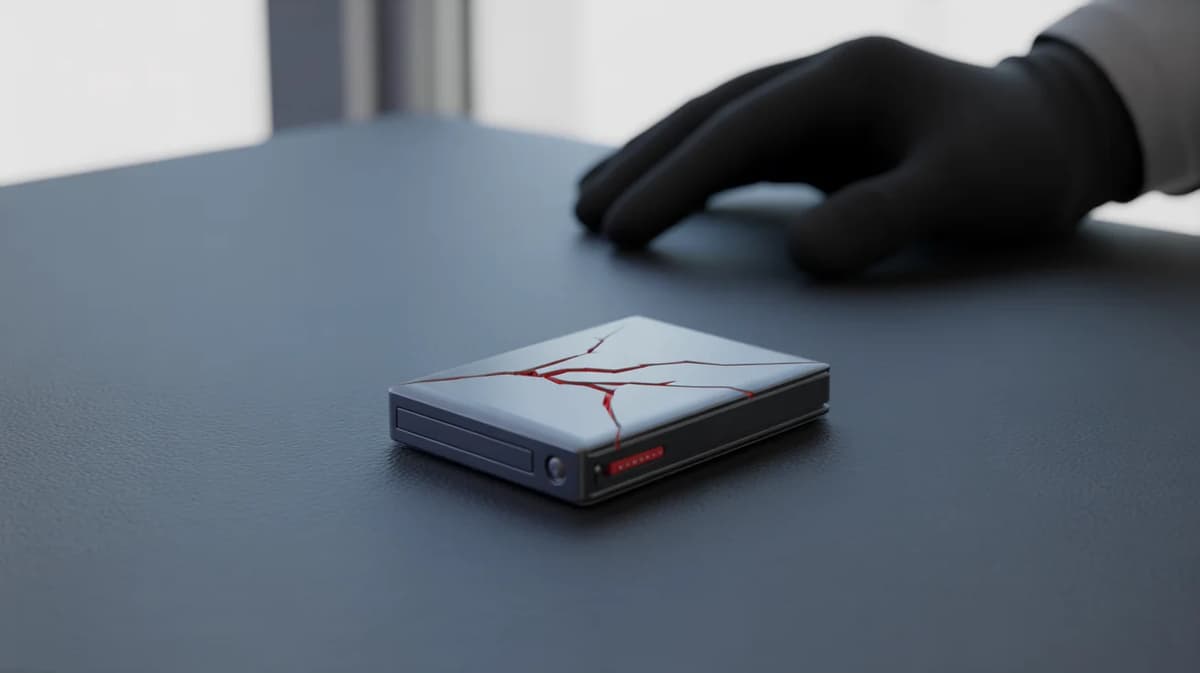
Can Panic Wallets Stop a Wrench? Why Crypto’s Next Security Debate Is Physical
•December 8, 2025
0
Companies Mentioned

Why It Matters
The growing threat of wrench attacks forces the industry to rethink self‑custody security, potentially reshaping user behavior and regulatory focus. Failure to address physical risk could accelerate centralization and erode trust in decentralized finance.
Key Takeaways
- •Physical attacks on crypto holders up 169% in 2025
- •Panic wallets use duress triggers but effectiveness uncertain
- •Biometric multi‑party custody limits on‑the‑spot coercion
- •Rising attacks may push users toward custodial services
- •Social discretion remains most effective defense against wrench attacks
Pulse Analysis
The crypto ecosystem is now confronting a threat that predates any code exploit: physical violence aimed at extracting digital assets. Jameson Lopp’s six‑year database, which tracks more than 225 verified incidents, recorded a 169 % jump in attacks during 2025, with spikes that mirror Bitcoin’s price rallies and the surge in over‑the‑counter (OTC) trades. Victims range from home‑invasion targets whose addresses were uncovered through leaked KYC data to kidnappings in affluent neighborhoods, and roughly two‑thirds of these assaults succeed. This pattern signals that coercion is becoming a systematic risk factor for high‑net‑worth crypto holders.
In response, engineers are racing to embed duress mechanisms directly into hardware wallets and custody platforms. Panic‑wallet concepts promise instant balance wipes, decoy transactions, or silent alerts triggered by a hidden biometric gesture, yet real‑world tests reveal mixed results—one victim’s decoy failed to fool the attacker, another was still tortured after compliance. Companies like Haven are taking a different tack, deploying continuous facial authentication and requiring a secondary verifier for transfers above $1,000, effectively imposing a 24‑hour lockout that thwarts on‑the‑spot coercion. While innovative, these solutions trade anonymity for security and remain unproven at scale.
The broader consequence may be a shift away from self‑custody toward institutional custodians, a trend that threatens Bitcoin’s core decentralization promise. Regulators such as the OECD are tightening reporting frameworks, further exposing user identities and amplifying the attack surface. As Lopp warns, mass migration to custodial services could create systemic concentration risk. Until technology can reliably neutralize physical threats without sacrificing privacy, the most practical safeguard remains cultural: limiting public disclosure of ownership. The industry’s next security debate, therefore, will hinge on balancing biometric safeguards, regulatory compliance, and the timeless principle of discretion.
Can panic wallets stop a wrench? Why crypto’s next security debate is physical
0
Comments
Want to join the conversation?
Loading comments...