Clarity Act Clears Senate Banking Committee
Why It Matters
The markup moves the first comprehensive U.S. crypto‑infrastructure bill closer to full Senate consideration, signaling heightened regulatory focus on digital assets. Uncertainty over ethics clauses could shape the final legislative outcome and industry compliance timelines.
Key Takeaways
- •Senate Banking Committee approved Clarity Act markup 15-9.
- •Republicans and two Democrats supported; all Dem amendments rejected.
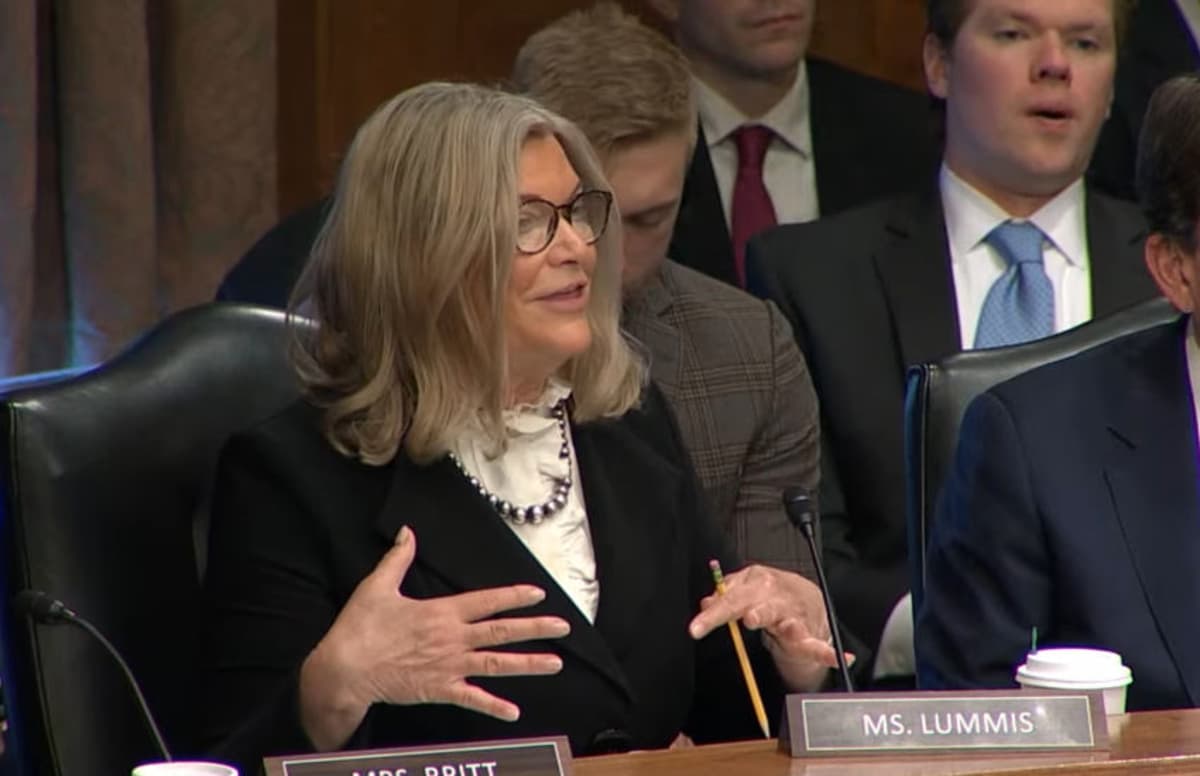
- •Lummis amendments passed with 18-19 votes after bipartisan negotiation.
- •Some Democrats warn final Senate vote uncertain, demand ethics clauses.
- •Bill aims to regulate crypto and DeFi market infrastructure.
Pulse Analysis
The Clarity Act represents the most ambitious attempt yet by Congress to impose a coherent regulatory scaffold on the fragmented crypto and decentralized finance (DeFi) ecosystem. By defining market‑infrastructure standards—covering exchanges, custodians, and stablecoin issuers—the bill seeks to close gaps that have left investors vulnerable and hindered mainstream adoption. Industry observers note that a clear legal framework could unlock institutional capital, reduce compliance ambiguity, and foster innovation in a sector still grappling with patchwork state rules and federal uncertainty.
Politically, the markup underscores a rare moment of bipartisan alignment, with all Republicans and two Democrats voting in favor, while Democratic amendments were uniformly dismissed. Senator Cynthia Lummis’s targeted changes, negotiated with a handful of Democrats, illustrate a pragmatic approach to securing broader support. Yet the vote also revealed lingering reservations: several Democrats, including Senator Alsobrooks, emphasized the need for robust ethics provisions before committing to a final floor vote. This tension reflects broader concerns about regulatory capture, conflict‑of‑interest safeguards, and law‑enforcement oversight that could shape the bill’s final language.
For the crypto industry, the Clarity Act’s passage out of committee signals an impending shift from regulatory ambiguity to structured oversight. Companies operating in the U.S. may soon need to align with federal standards for licensing, reporting, and consumer protection, potentially increasing operational costs but also providing legal certainty. Market participants should monitor forthcoming Senate debates, especially around ethics clauses, as they will likely dictate the bill’s ultimate shape and timing. Early compliance planning could give firms a competitive edge as the sector transitions toward a more regulated, mainstream financial landscape.
Clarity Act clears Senate Banking Committee
Comments
Want to join the conversation?
Loading comments...