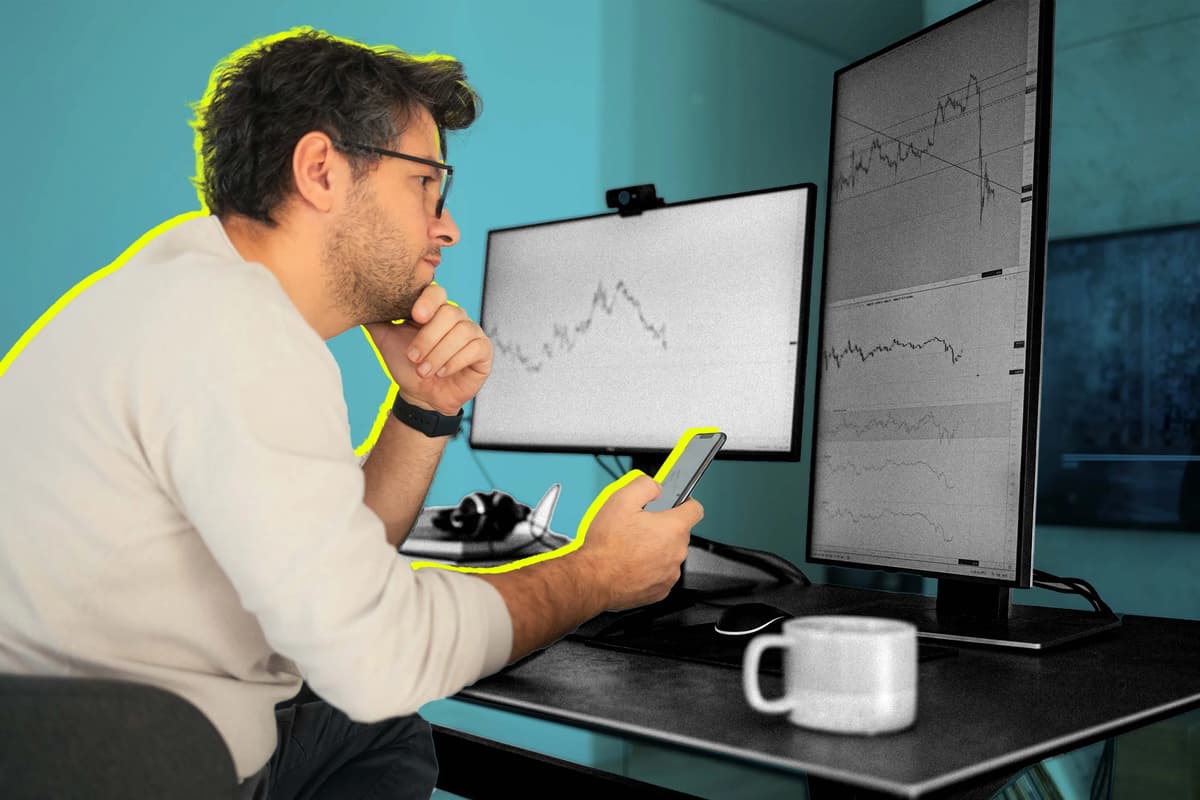
Crypto Curious? Here’s a Step-by-Step Guide to Buying Bitcoin for the First Time
Companies Mentioned
Why It Matters
Understanding the practical steps and risks of buying Bitcoin helps retail investors avoid costly mistakes and aligns crypto exposure with broader portfolio risk management. As regulatory scrutiny intensifies, informed entry points become essential for sustainable market participation.
Key Takeaways
- •Bitcoin price can swing double digits daily; start small
- •Recommended max 5% of portfolio in volatile assets like Bitcoin
- •Use regulated U.S. exchanges; avoid decentralized platforms for beginners
- •Verify identity, enable 2FA, then fund via ACH for lowest fees
- •Store larger holdings in personal wallet; keep private keys secure
Pulse Analysis
Bitcoin’s rapid ascent from a fringe digital token to a widely‑discussed asset class has drawn millions of first‑time investors, yet its price swings—often double‑digit percentages in a single day—remain a stark reminder of inherent risk. While the allure of high returns persists, seasoned advisors caution that newcomers should allocate only a modest slice of their holdings, typically no more than five percent, to such a volatile instrument. Starting with a dollar‑sized purchase allows investors to gauge market behavior without jeopardizing core savings, and it aligns with the broader trend of fractional investing that democratizes access to traditionally exclusive assets.
Choosing the right exchange is the next critical decision. U.S.‑registered platforms like SoFi or Coinbase provide regulatory oversight, transparent fee structures, and custodial safeguards that decentralized exchanges lack. The onboarding process mirrors that of conventional fintech apps: users submit personal details, government‑issued ID, and often a selfie for anti‑money‑laundering compliance. Enabling two‑factor authentication adds a vital security layer before any funds move. When funding the account, ACH transfers offer the lowest cost, though they settle in two to five business days, whereas debit cards deliver instant liquidity at a higher 2‑4% fee. Understanding these trade‑offs helps investors minimize hidden expenses that can erode modest positions.
Finally, storage and tax considerations shape the long‑term outlook. Keeping small balances on the exchange’s custodial wallet is convenient, but larger holdings merit transfer to a personal hardware or software wallet where the private key remains under the owner’s control—mitigating risks highlighted by the FTX collapse. The IRS treats cryptocurrency as property, making every sale a taxable event; meticulous record‑keeping and year‑end tax forms are essential for compliance. By combining prudent allocation, secure platform selection, and disciplined record‑keeping, first‑time buyers can navigate Bitcoin’s volatility while positioning themselves for potential upside.
Crypto Curious? Here’s a Step-by-Step Guide to Buying Bitcoin for the First Time
Comments
Want to join the conversation?
Loading comments...