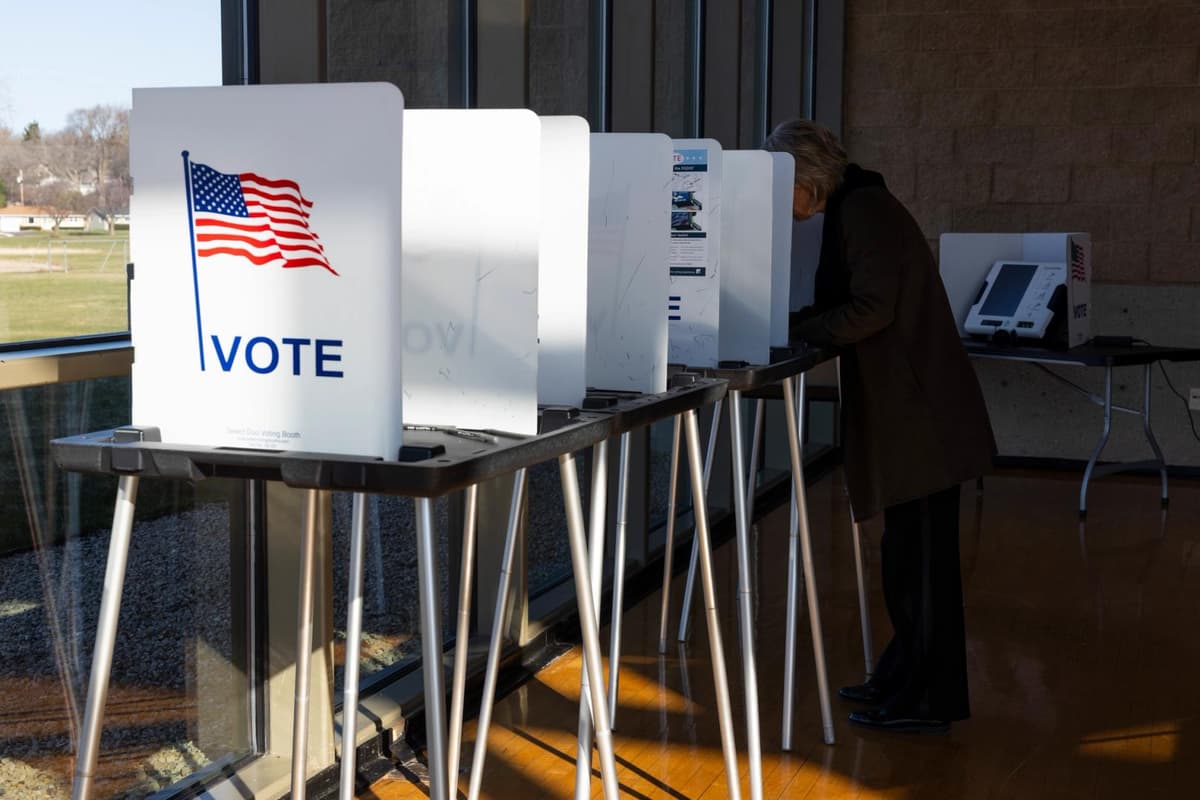
Crypto Is at Bottom of U.S. Voters' Priorities Heading Into Elections, CoinDesk Survey Shows
Companies Mentioned
Why It Matters
Crypto’s marginal voter salience limits direct electoral pressure, but donor spending and pending legislation keep the industry’s regulatory future at stake.
Key Takeaways
- •1% of voters list crypto as top issue
- •Cost of living leads voter concerns at 36%
- •AI ranks just above crypto at 2% priority
- •Crypto favorability sits at 30%, lower than parties
- •Industry spent hundreds of dollars backing friendly candidates
Pulse Analysis
The CoinDesk‑Public Opinion Strategies poll underscores how far crypto has drifted from mainstream voter concerns ahead of the 2026 midterms. Among a balanced sample of 1,000 registered voters, only one in a hundred placed digital assets at the top of their political agenda, while everyday economic pressures such as the cost of living dominated the conversation. Even artificial intelligence, a technology often touted alongside blockchain, barely nudged crypto’s ranking, capturing just 2% of respondents’ top‑issue selections. This data paints a picture of a niche issue that, while growing in awareness, remains peripheral to the broader electorate.
For the crypto industry, the survey’s findings are a double‑edged sword. Low voter priority reduces the risk of a populist backlash at the ballot box, yet the sector’s strategic focus on legislative outcomes remains critical. The market‑structure bill, known as the Clarity Act, is viewed as the most consequential piece of legislation for digital assets, and its uncertain path through Congress keeps firms on edge. In response, crypto firms have collectively contributed hundreds of dollars to candidates perceived as friendly, positioning themselves as the single largest donor group in the 2024 cycle. Party perceptions are split—Republicans are seen as more supportive, but Democrats enjoy a slight edge in voter trust regarding crypto policy.
Looking ahead to the 2026 elections, the poll suggests a modest Democratic advantage in the House and a likely Republican hold on the Senate. While these outcomes won’t directly place crypto on the ballot, they will shape the legislative environment for the Clarity Act and upcoming tax reforms that could affect digital asset taxation. Stakeholders should monitor candidate positions, especially in swing districts where 40% of respondents say crypto views could sway their vote. Aligning lobbying efforts with the prevailing political winds will be essential for influencing policy without relying on broad voter demand.
Crypto is at bottom of U.S. voters' priorities heading into elections, CoinDesk survey shows
Comments
Want to join the conversation?
Loading comments...