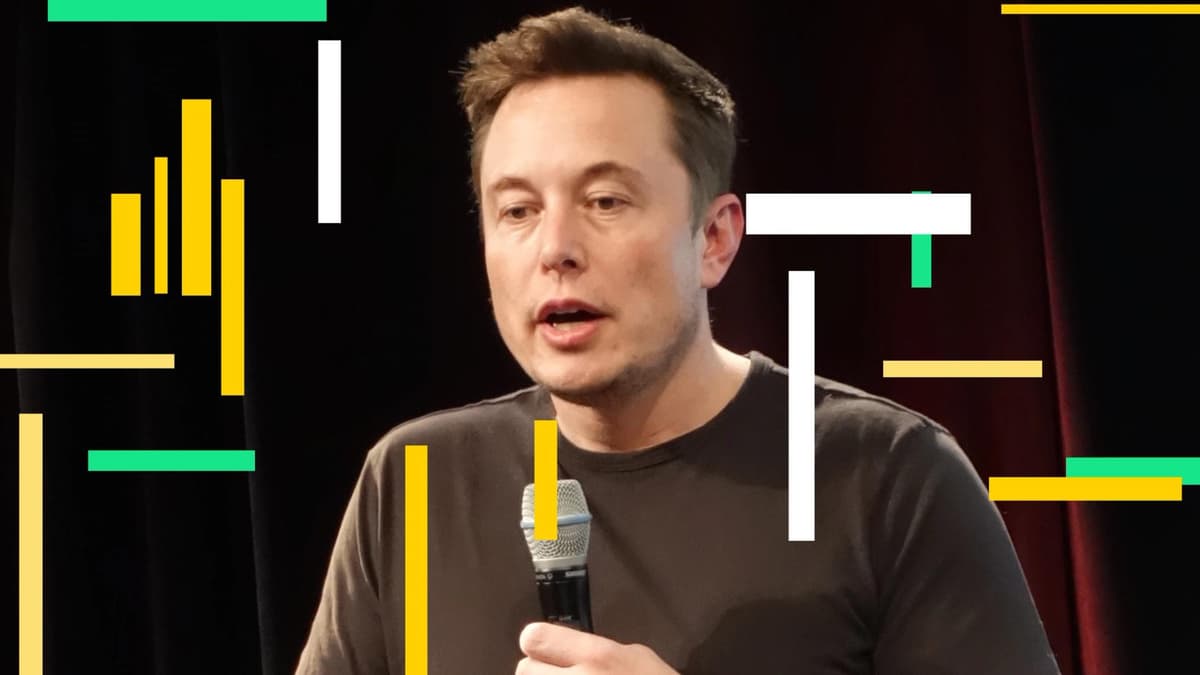
Elon Musk Once Backed a $10 Billion OpenAI ICO, Internal Notes Show
•January 17, 2026
0


Why It Matters
The revelation shows how early AI ventures considered high‑risk crypto financing, highlighting the evolving landscape of capital formation for breakthrough technologies.
Key Takeaways
- •Musk considered $10B ICO for OpenAI funding
- •ICO plan dropped within weeks
- •Musk exited OpenAI later 2018
- •Highlights early AI‑crypto fundraising crossover
- •Signals shift to corporate‑benefit model
Pulse Analysis
The early 2018 discussion between Elon Musk and OpenAI’s founders came at the height of the ICO frenzy, when startups could raise billions by selling tokens directly to the public. Musk’s willingness to explore a $10 billion token sale underscores how even established tech figures viewed cryptocurrency as a fast‑track to capital, bypassing traditional venture funding. At the time, regulatory frameworks were still forming, and the promise of rapid liquidity made ICOs attractive for capital‑intensive AI research.
However, the rapid collapse of the plan reflects the volatility and uncertainty that soon plagued the crypto market. By late 2018, heightened regulatory scrutiny and a cooling investor appetite made it clear that an ICO could not reliably fund OpenAI’s long‑term mission. Musk’s decision to abandon the idea and focus on Tesla’s AI initiatives illustrates a pragmatic shift toward more stable financing channels, such as corporate investment and strategic partnerships, which better align with the rigorous compliance demands of AI development.
OpenAI’s eventual adoption of a public‑benefit corporation structure, overseen by a controlling nonprofit, signals a broader industry trend toward hybrid models that balance mission‑driven goals with sustainable funding. The episode offers a cautionary tale for AI startups eyeing token‑based financing and reinforces the importance of regulatory clarity. As AI and blockchain continue to intersect, future fundraising strategies will likely prioritize compliance, investor protection, and long‑term governance over short‑term capital spikes.
Elon Musk once backed a $10 billion OpenAI ICO, internal notes show
0
Comments
Want to join the conversation?
Loading comments...