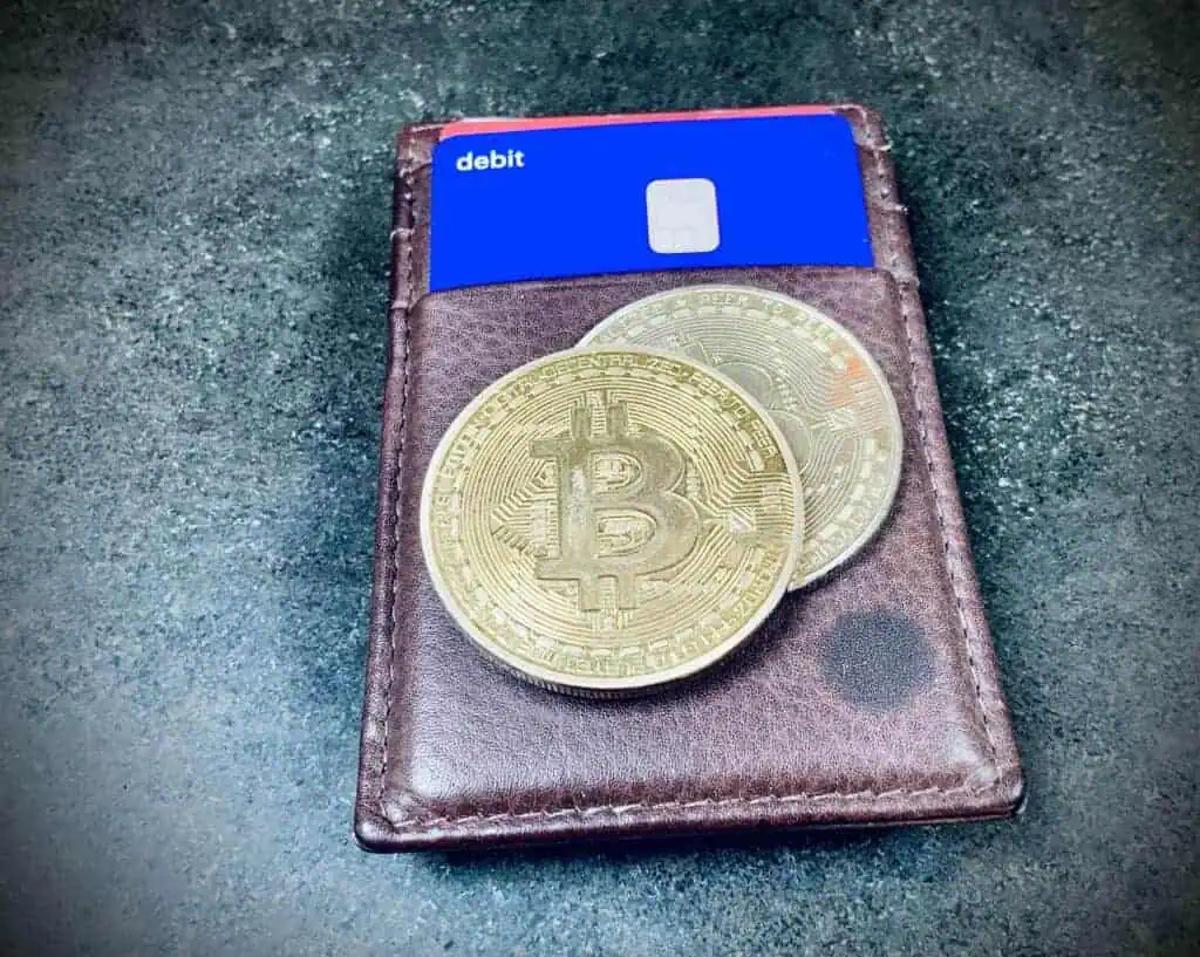
European Central Bank (ECB) Research Study Examines Distinct Profiles of Crypto Holders and Users in the Euro Area
Why It Matters
Understanding the divergent motivations of crypto owners versus payers helps regulators craft policies that address investment risks and payment‑system integration, influencing the future of digital currency adoption in Europe.
Key Takeaways
- •Survey of 39,500 Eurozone adults reveals two distinct crypto user groups.
- •Crypto owners are younger, educated, higher‑income investors who also hold cash.
- •“Crypto payers” prioritize anonymity, mirroring cash preferences in digital form.
- •Cash buffers during COVID‑19 reduce crypto ownership likelihood.
- •ECB suggests regulators treat crypto mainly as an investment asset.
Pulse Analysis
The ECB’s recent working paper sheds new light on the heterogeneous nature of crypto participation in the euro area. By leveraging a large‑scale 2022 survey, researchers distinguished between investors who hold digital assets for portfolio diversification and a niche segment that actually spends crypto as a cash‑like medium. This bifurcation challenges the narrative that crypto adoption is driven solely by a desire to replace fiat money, highlighting instead that most owners treat cryptocurrencies as an ancillary asset class while a minority seek privacy‑focused payment solutions.
Methodologically, the study applies a two‑stage selection model and multiple‑instrument techniques to untangle correlation from causation. Initial regressions suggested a positive relationship between cash holdings and crypto ownership, but once pandemic‑induced payment disruptions were accounted for, the analysis revealed that larger cash buffers reduced the propensity to own crypto. This finding aligns with broader macro‑economic observations during the early COVID‑19 shock, when euro cash circulation rose as Bitcoin prices fell, underscoring cash’s role as a precautionary store during uncertainty.
Policy implications are significant. The ECB advises regulators to view crypto chiefly as an investment vehicle, reserving distinct regulatory treatment for payment‑oriented users who demand anonymity and ease of use. Simultaneously, the paper warns that any central bank digital currency must balance privacy safeguards with usability to attract the cash‑preferring demographic, a challenge given the surveillance‑heavy designs observed in jurisdictions like China. As stablecoins gain traction, these insights will shape the regulatory landscape and influence how digital currencies integrate with traditional payment ecosystems in Europe.
European Central Bank (ECB) Research Study Examines Distinct Profiles of Crypto Holders and Users in the Euro Area
Comments
Want to join the conversation?
Loading comments...